
Last Updated on March 8, 2026 by John Tim
The excitement of heading off to summer camp often comes with a wave of questions for parents and campers alike—especially about what to bring. A well-prepared summer camp packing list ensures children arrive ready for adventures, stay comfortable through changing weather, and feel supported without missing home too much. Drawing from years of sending kids to overnight camps, helping friends pack for their children, and hearing stories from camp staff, I’ve learned that the key to success lies in balancing essentials with practicality. Start with the camp’s official guidelines, as they vary by location, duration, and activities, then build from there to cover clothing, personal care, bedding, and those thoughtful extras. This comprehensive guide walks through everything needed for a smooth, worry-free drop-off, helping create an experience focused on fun, friendship, and growth rather than forgotten items.
Why a Thorough Summer Camp Packing List Matters
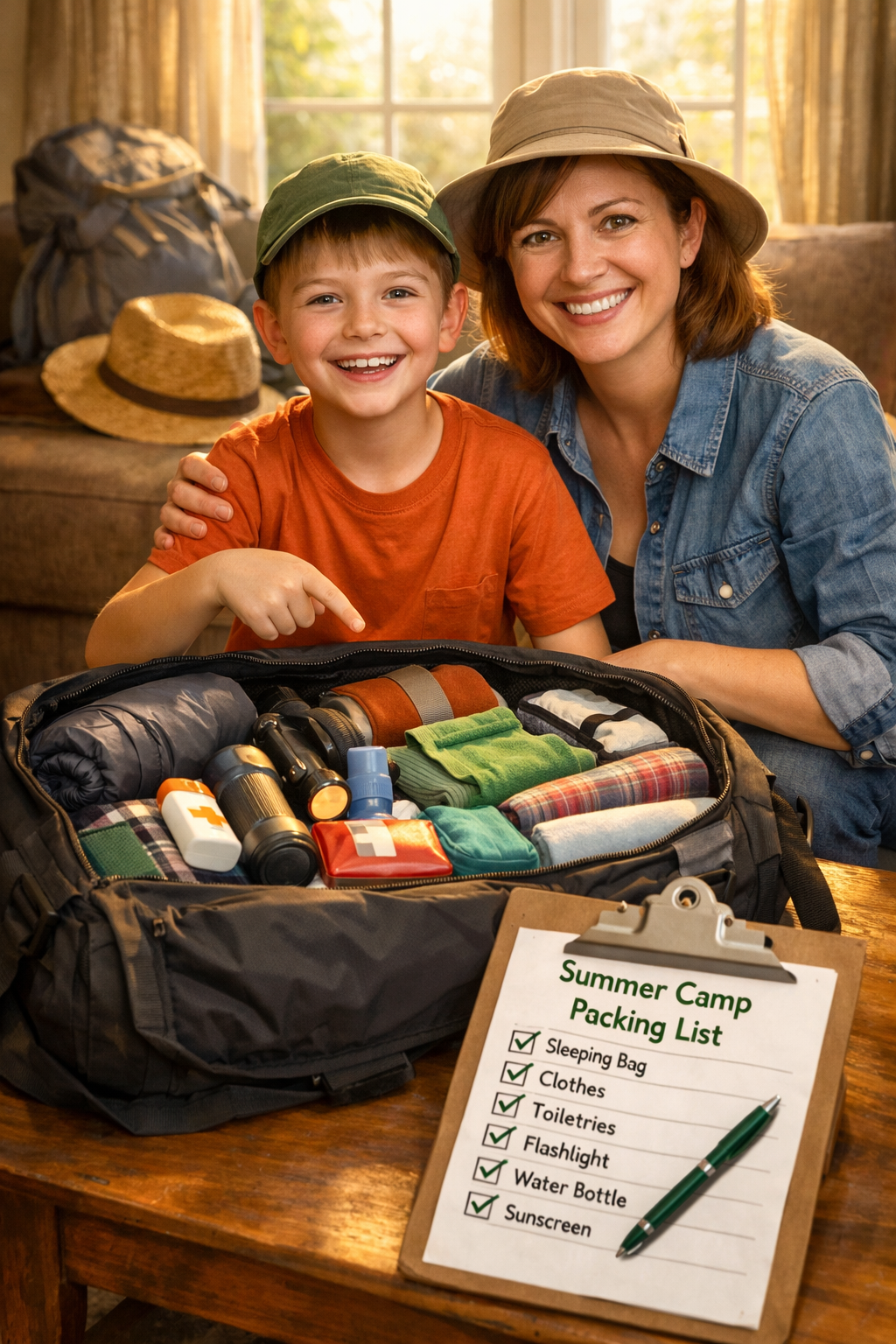
Packing thoughtfully for summer camp goes beyond simply filling a duffel bag—it sets the stage for confidence and independence. When children have the right items, they navigate daily routines more easily, from morning flagpole to evening campfires, without constant worry about missing gear. Overpacking leads to heavy luggage and lost belongings, while underpacking causes discomfort or requests for care packages. A balanced approach respects camp rules, often prohibiting electronics or excessive snacks, while ensuring campers stay protected from sun, bugs, and unexpected chills.
From experience, labeling every item proves invaluable—camps handle hundreds of similar shirts and towels, so clear names prevent mix-ups and ease laundry days. Involving kids in the process teaches responsibility and helps them feel ownership over their adventure. This preparation reduces last-minute stress and allows families to focus on the joy of anticipation, knowing the basics are covered for a successful stay.
Clothing and Footwear Essentials for Active Days
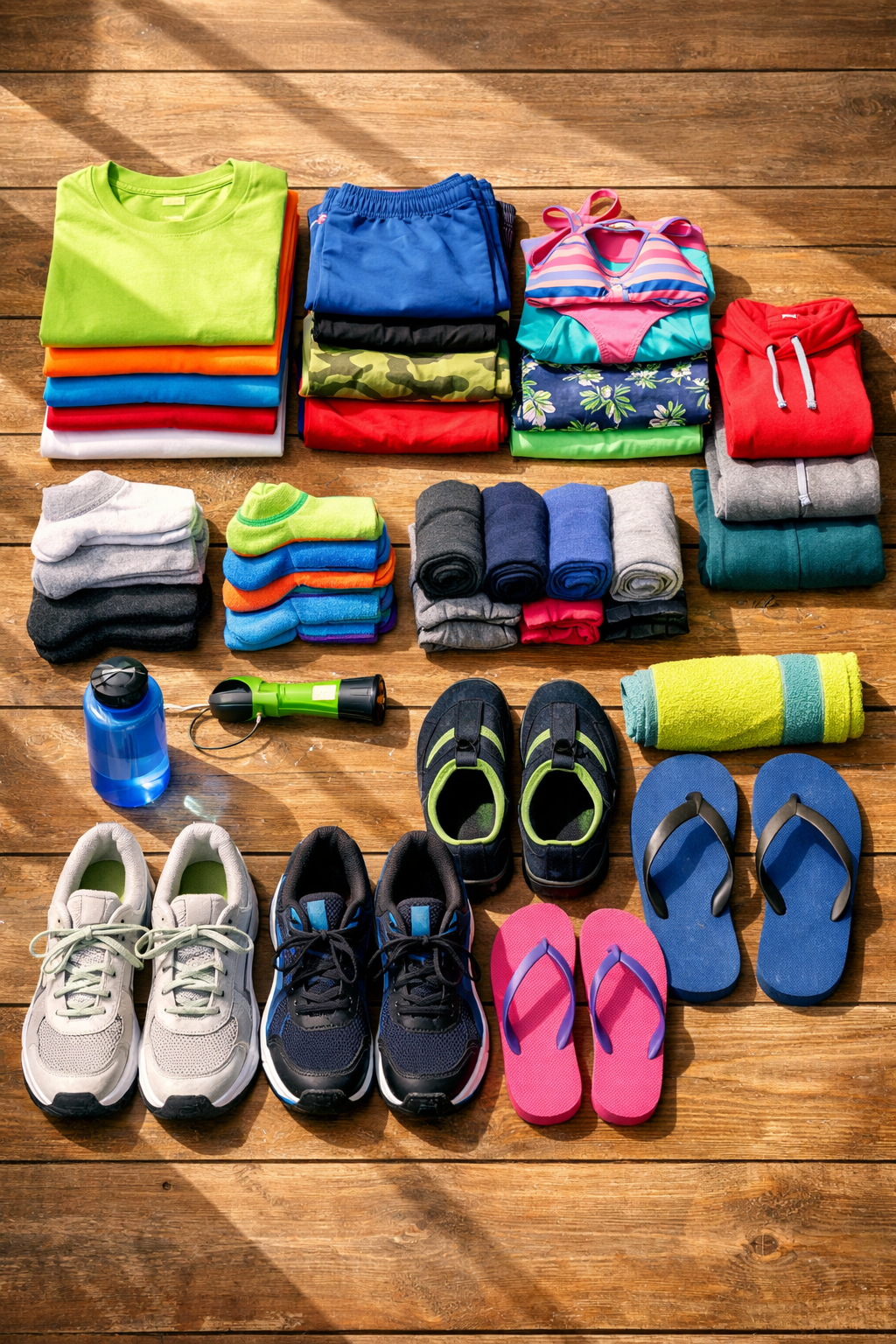
Clothing forms the foundation of any summer camp packing list, prioritizing comfort, durability, and quick-drying fabrics suited to constant activity. Breathable t-shirts and tank tops in sufficient numbers—aim for one per day plus extras for accidents or heavy play—keep kids cool during sports, hikes, and games. Shorts should mix athletic styles for movement with casual ones for downtime, while underwear and socks need to outnumber days at camp to handle inevitable mud or sweat.
Layering options matter even in summer, as evenings cool down and rain can surprise. Include a couple of long-sleeve shirts or light hoodies for chilly mornings or bonfires, along with one or two pairs of long pants for protection during nature activities or buggy areas. Swimsuits deserve multiples—two or three allow for drying time between lake swims or pool sessions—paired with rash guards for sun safety. Footwear requires variety: sturdy sneakers or closed-toe shoes for daily use, water shoes or sandals for showers and waterfront, and perhaps flip-flops for quick trips. Breaking in new shoes beforehand prevents blisters, ensuring campers move freely through trails and fields.
Bedding, Toiletries, and Personal Care Items
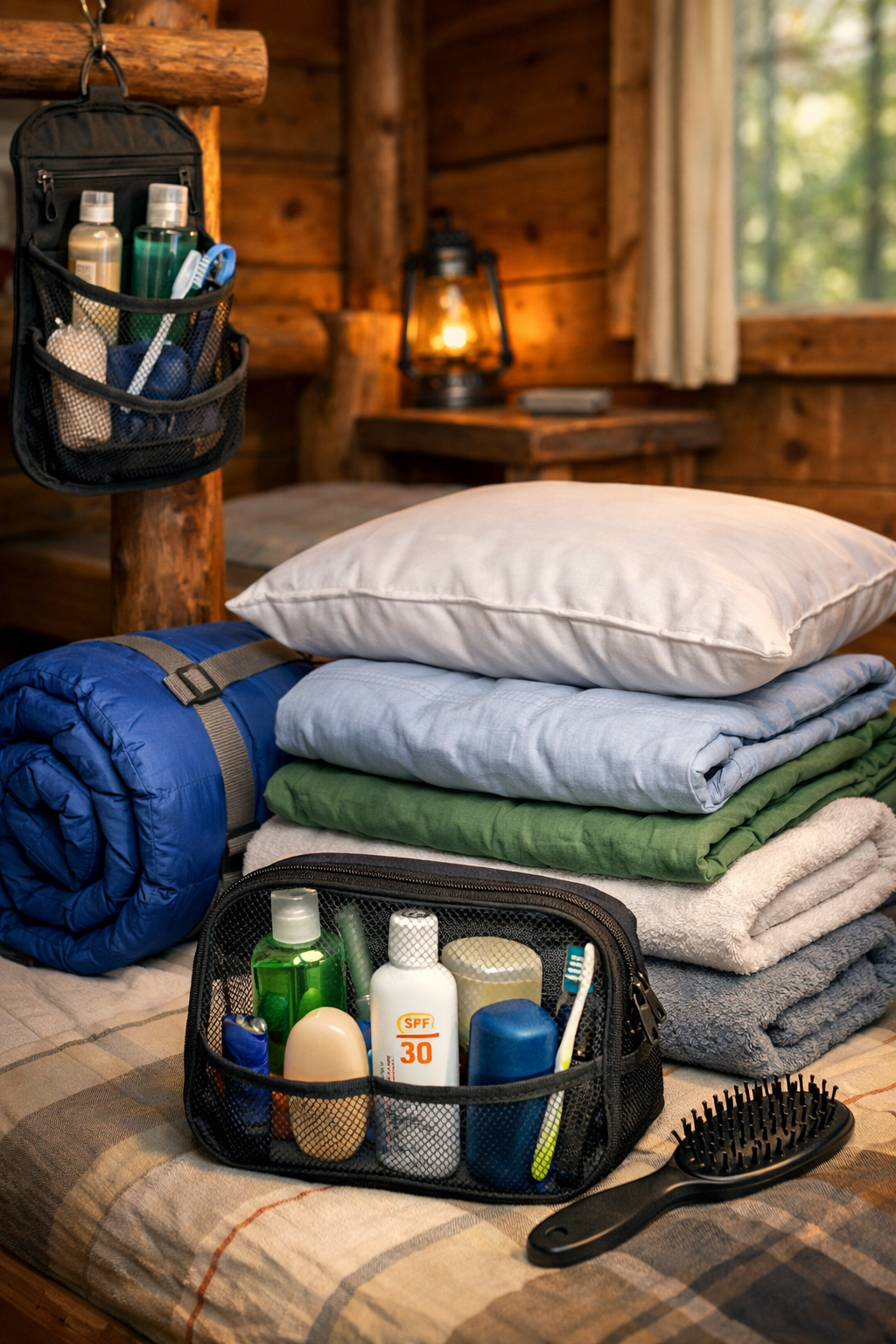
Comfortable rest is crucial after full days of excitement, making bedding a key part of the packing checklist. Twin-size sheets, pillowcases, and a lightweight blanket or sleeping bag provide cozy sleep, especially if cabins lack air conditioning. A small pillow adds familiarity, though many camps supply basics—check ahead to avoid duplication. Towels for showering and swimming should include quick-dry options, with extras for unexpected needs.
Toiletries keep hygiene simple in shared facilities: toothbrush, toothpaste, shampoo, soap or body wash, deodorant, and a comb or brush cover daily needs. Pack these in a mesh or hanging bag for easy bathroom transport. Sunscreen with high SPF, lip balm with protection, and insect repellent form non-negotiable protections against summer elements. For girls, include hair ties and clips; for anyone with glasses or contacts, extras plus solution prevent mishaps. Feminine hygiene products and any personal medications, clearly labeled and in original packaging, ensure health stays on track without interrupting fun.
Health, Safety, and Outdoor Gear Must-Haves
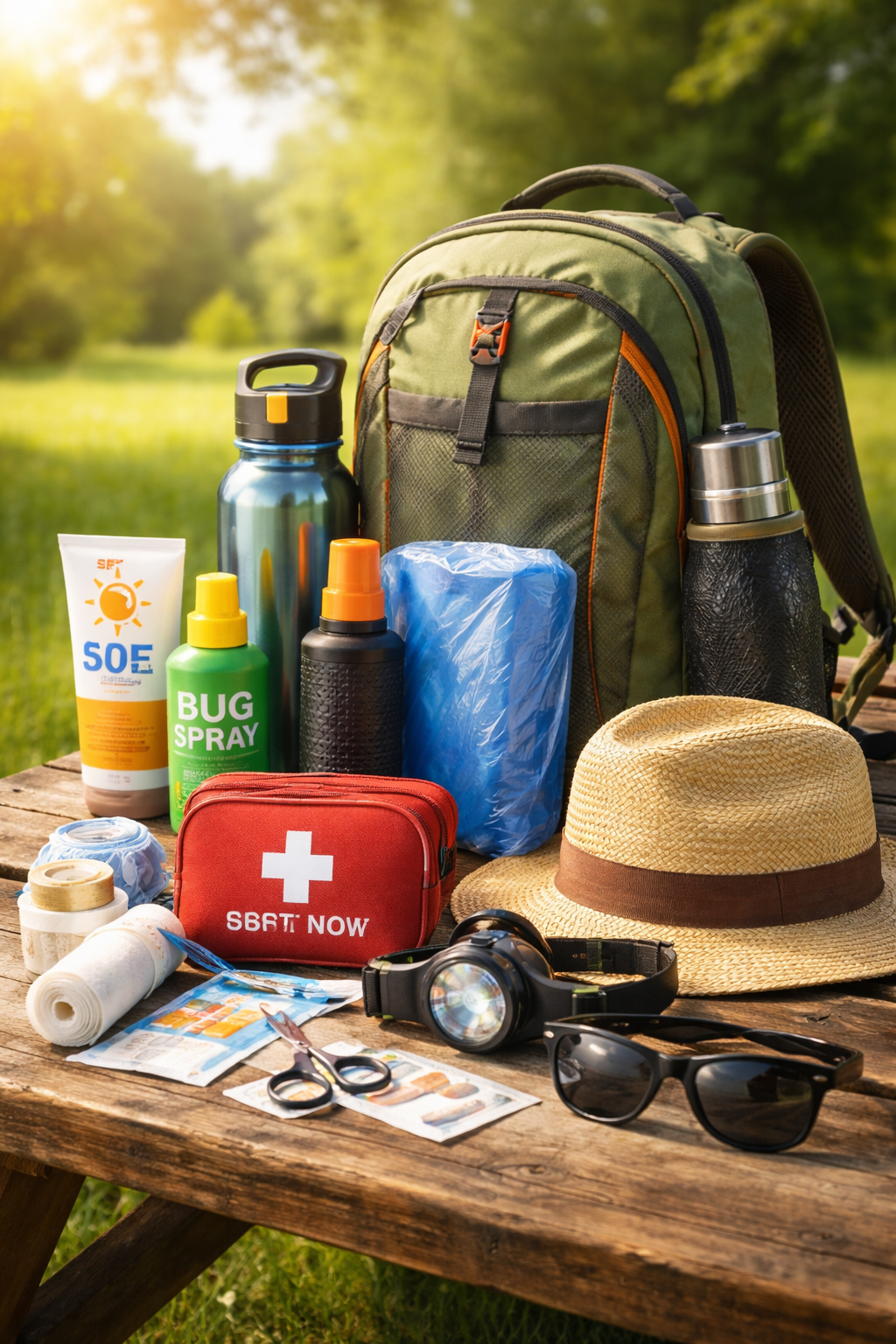
Health and safety items protect against common camp challenges, allowing kids to participate fully. A reusable water bottle encourages hydration during hot days and activities—insulated versions keep drinks cool longer. A small daypack or backpack carries essentials on hikes or field trips, while a flashlight or headlamp with spare batteries aids nighttime bathroom runs or stargazing.
Bug spray and a basic first-aid mindset—though camps provide professional care—mean including any personal items like allergy meds. A rain jacket or poncho handles sudden showers without soaking through layers. Sunglasses, a wide-brimmed hat, and perhaps a light scarf or bandana shield from sun and dust. These practical pieces promote self-reliance, helping campers stay safe and enjoy every moment outdoors.
Comfort Items and Extras That Make Camp Special

While sticking to essentials prevents overload, a few thoughtful comforts turn good trips into memorable ones. A favorite stuffed animal or small photo of family offers reassurance during quiet moments. Stationery and stamps enable letter-writing home, fostering connection without electronics. A journal or small notebook captures daily highlights, drawings, or new friends’ names.
Some camps allow modest extras like a deck of cards for rainy days or a lightweight book for downtime. Avoid valuables or restricted items to honor policies and reduce loss risk. These additions, chosen carefully, provide emotional support and spark creativity, enhancing the independence and joy that camp nurtures.
Packing Tips and Organization Strategies
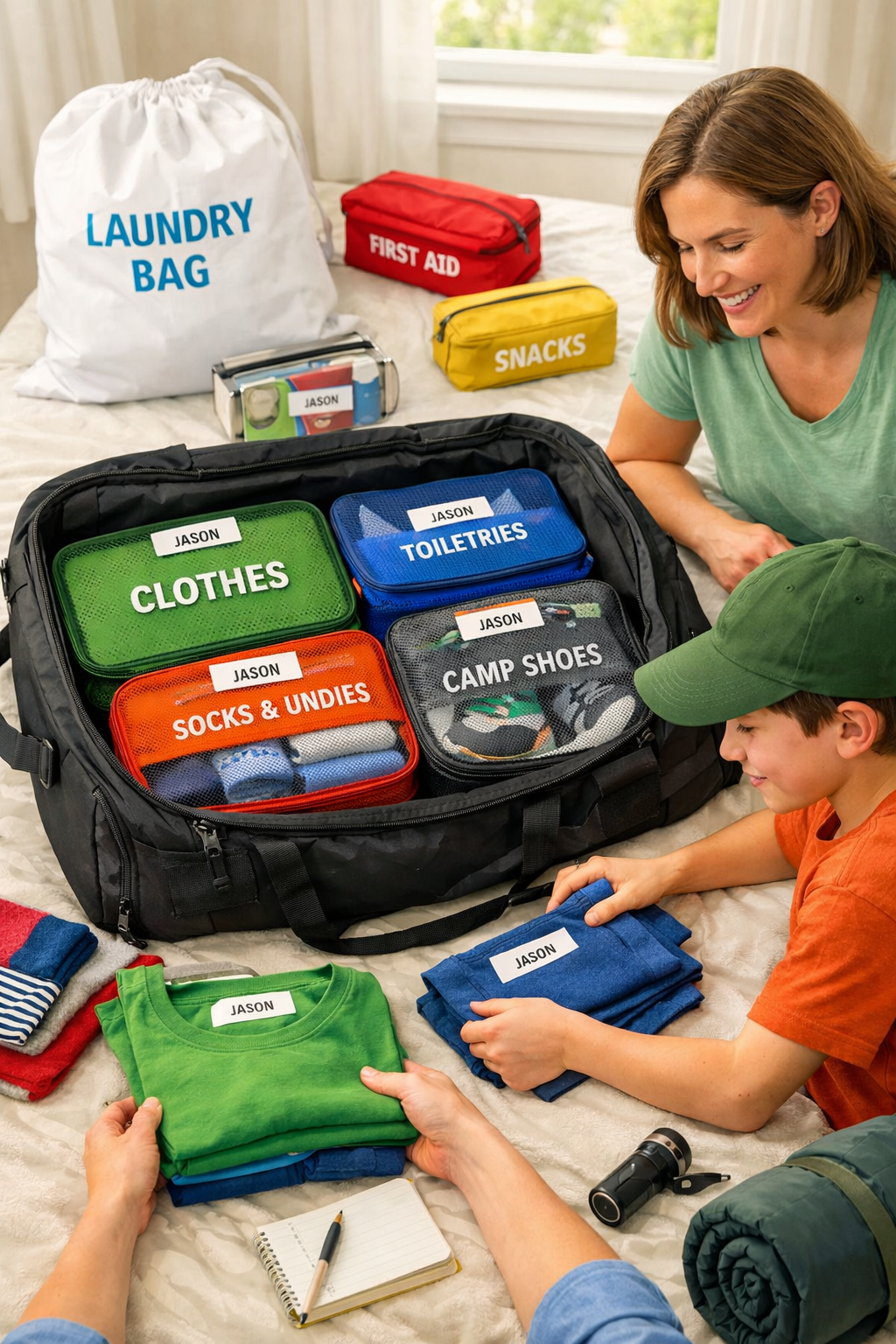
Effective organization transforms a pile of gear into an easy-to-manage setup. Use packing cubes or large zip-top bags to separate categories—clothes in one, toiletries in another—making unpacking quick in cabins. A laundry bag collects dirty items, preventing clutter. Double-check against the camp’s specific list, as some provide towels or bedding while banning certain foods or devices.
Involve children in sorting and folding to build excitement and familiarity with contents. Test-pack the luggage to ensure it closes comfortably and isn’t too heavy for transport. These strategies minimize chaos at drop-off and empower kids to manage belongings throughout their stay.
Frequently Asked Questions About Summer Camp Packing Lists
This section addresses common concerns from parents preparing for camp, offering clear answers based on practical experience.
How many outfits should I pack for a week-long camp?
Pack enough for each day plus three to four extras to cover spills, mud, or unexpected changes. Focus on mix-and-match pieces that dry quickly.
Should I send medications with my child?
Yes, but follow camp instructions—typically in original containers with dosage details. Many require handing them to staff upon arrival for safe administration.
What if my child forgets something important?
Camps usually have spares or a camp store. Label items thoroughly and include a printed packing list inside luggage for reference when repacking.
Are electronics allowed at most summer camps?
Policies vary, but many prohibit phones, tablets, and gaming devices to encourage unplugging and social interaction. Check your camp’s rules first.
How do I handle weather changes in packing?
Include layers like a hoodie, rain jacket, and long pants. Quick-dry fabrics help with wet conditions, and extras ensure comfort in fluctuating temperatures.
What comfort items help first-time campers?
A familiar blanket, family photo, or small toy provides security. Letters from home or a journal also ease homesickness without overwhelming the bag.
Conclusion: Packing with Purpose for an Unforgettable Summer
A complete summer camp packing list does more than cover necessities—it equips children for independence, safety, and pure enjoyment amid new experiences. From durable clothing and reliable footwear that withstand active days to comforting bedding, protective health items, and small touches of home, thoughtful preparation ensures every need is met without excess. By starting with the camp’s recommendations, labeling diligently, and involving kids in the process, families create a foundation for confidence and adventure. As the bus pulls away or the car heads down the road, the peace of knowing everything essential is packed allows focus on the growth, friendships, and stories that await. Here’s to summers filled with laughter, discovery, and the quiet pride of being ready for whatever comes—because when the packing is done right, the real magic of camp can truly begin.


)