Last Updated on March 3, 2026 by John Tim
There is something profoundly grounding about standing on a mountaintop, overlooking a valley carved by glaciers, or watching sunlight spill across an endless desert horizon. For many outdoor enthusiasts, the search for scenic hiking trails is not simply about exercise. It is about perspective, presence, and the rare opportunity to witness landscapes that feel almost unreal in their beauty.
If you are looking for scenic hiking trails that truly deliver jaw-dropping views, this guide is designed to help you discover some of the most visually spectacular routes in the world. Whether you are a beginner seeking accessible panoramic paths or an experienced trekker chasing dramatic alpine ridgelines, the following destinations combine natural grandeur with memorable hiking experiences.
What Makes Scenic Hiking Trails Truly Unforgettable?
Not all trails are created equal. While many routes offer pleasant walks through forests or countryside, the most remarkable scenic hiking trails share certain defining qualities. They showcase dramatic elevation changes, sweeping viewpoints, striking geological formations, and ecosystems that shift as you climb.
The interplay of light, terrain, and atmosphere often determines how breathtaking a trail feels. A path that winds along a cliff edge overlooking the ocean, a ridge with uninterrupted mountain vistas, or a canyon trail glowing at sunset can transform a simple hike into a lifelong memory.
Equally important is accessibility. Some scenic hiking trails are challenging, requiring endurance and careful preparation. Others reward hikers with extraordinary views after relatively short efforts. Understanding your fitness level and experience ensures that the beauty of the landscape remains inspiring rather than overwhelming.
Banff National Park: Turquoise Lakes and Towering Peaks
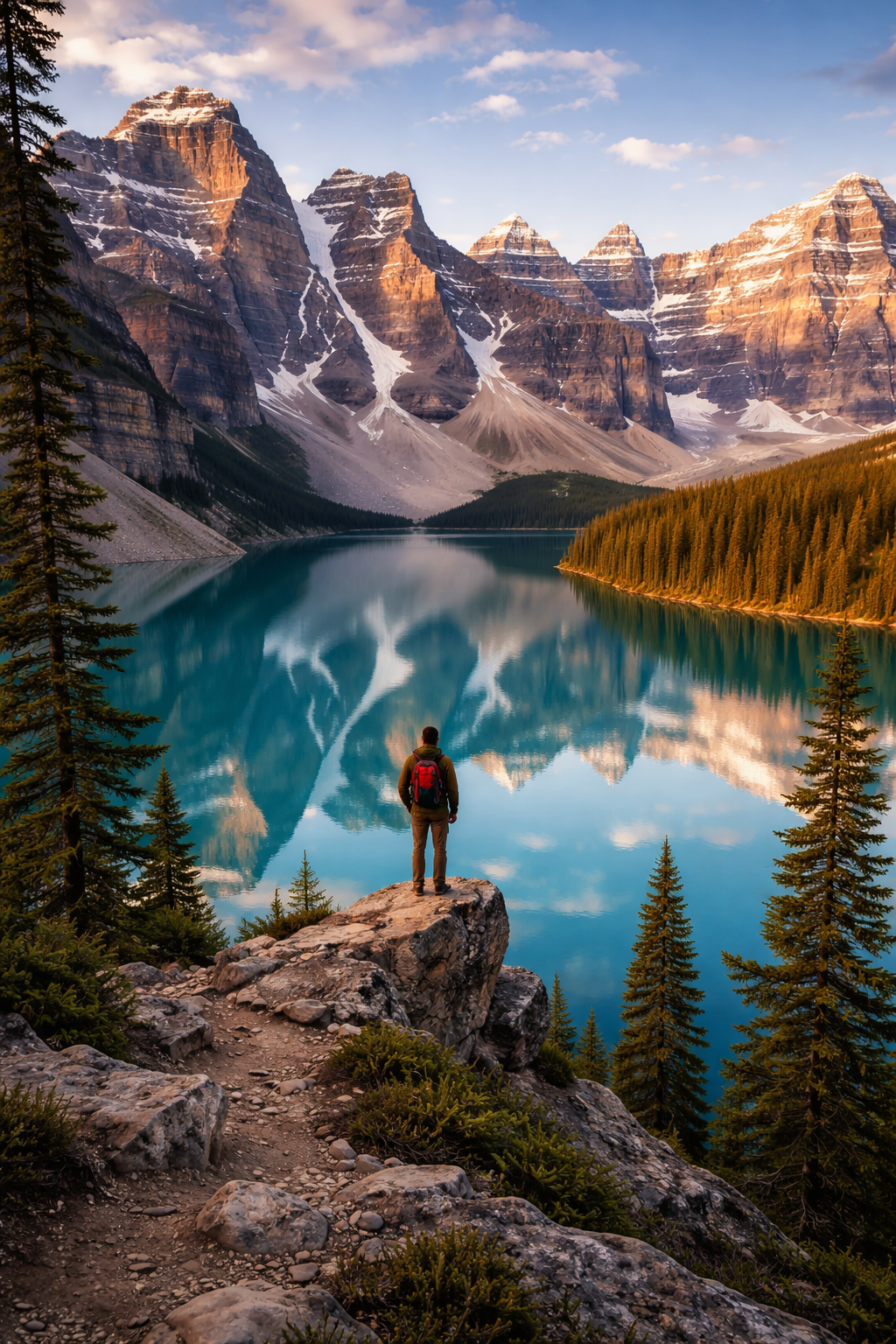
Located in the Canadian Rockies, Banff National Park is widely regarded as home to some of the most scenic hiking trails in North America. The region is defined by glacier-fed lakes, jagged peaks, and alpine meadows that burst with wildflowers in summer.
Trails around Lake Louise and Moraine Lake are particularly famous for their surreal turquoise waters. As you ascend above the treeline, the panorama expands into vast mountain amphitheaters shaped by ancient ice. Even moderate hikes offer dramatic viewpoints, while more demanding routes reveal remote valleys and high passes.
The clarity of the air and the sheer scale of the landscape create a sense of openness that is difficult to describe but impossible to forget. Banff’s trails are well-maintained and clearly marked, making it an accessible destination for those seeking iconic alpine scenery.
The Dolomites: Dramatic Rock Formations and Alpine Drama
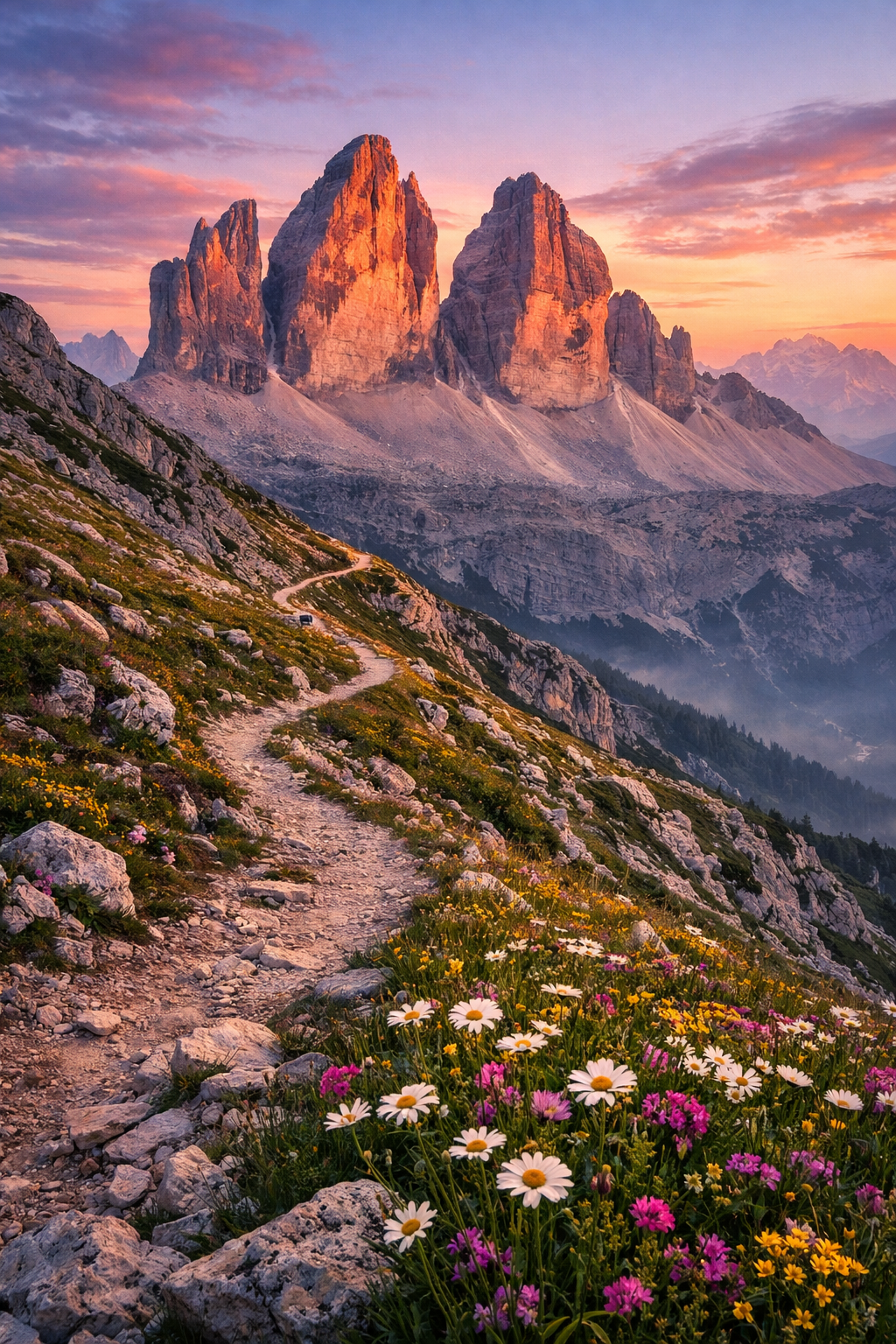
In northern Italy, the Dolomites rise sharply from rolling valleys, forming one of Europe’s most visually striking mountain ranges. The pale limestone peaks glow pink and orange during sunrise and sunset, a phenomenon known as alpenglow that enhances the already breathtaking scenery.
Scenic hiking trails in the Dolomites range from gentle valley walks to high-altitude circuits such as the routes around Tre Cime di Lavaredo. Along the way, hikers encounter vertical rock faces, alpine huts, and meadows dotted with grazing livestock.
The contrast between rugged cliffs and serene pastures creates a uniquely balanced landscape. For many travelers, the Dolomites represent a perfect blend of dramatic views and cultural charm, making each hike as enriching as it is beautiful.
Big Sur: Where Mountains Meet the Pacific
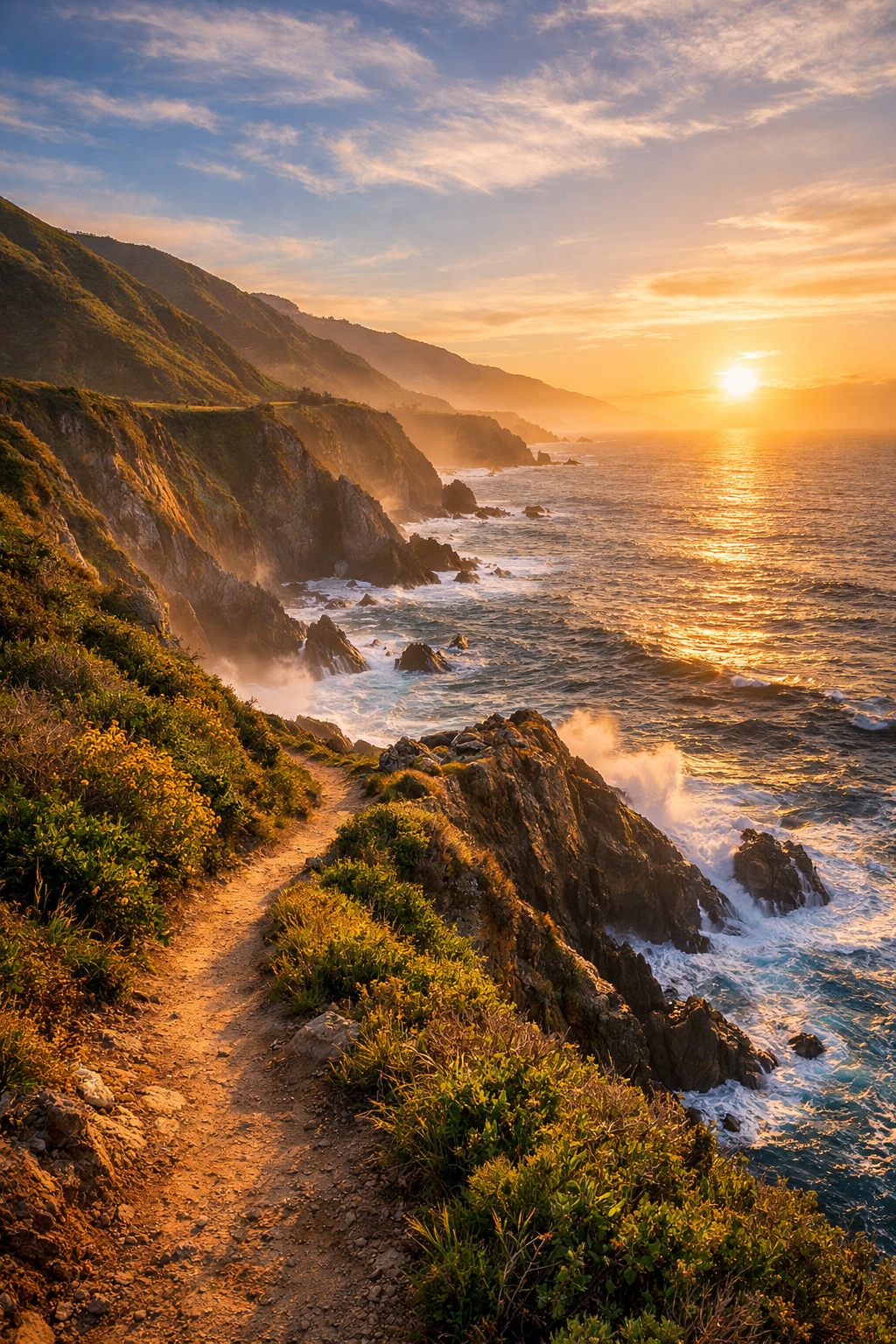
Along California’s central coast, Big Sur offers some of the most distinctive scenic hiking trails in the United States. Here, steep mountains drop dramatically into the Pacific Ocean, creating cliffs that overlook crashing waves and endless horizons.
Trails weave through redwood groves, coastal bluffs, and hidden waterfalls such as McWay Falls. The scent of salt air and pine trees accompanies hikers as they move between forest and coastline.
What makes Big Sur particularly captivating is the constant interplay between land and sea. Fog can roll in unexpectedly, transforming the landscape into a moody, ethereal scene. On clear days, the blue expanse of the ocean stretches beyond sight, amplifying the sense of vastness.
Amalfi Coast: Mediterranean Views from the Path of the Gods
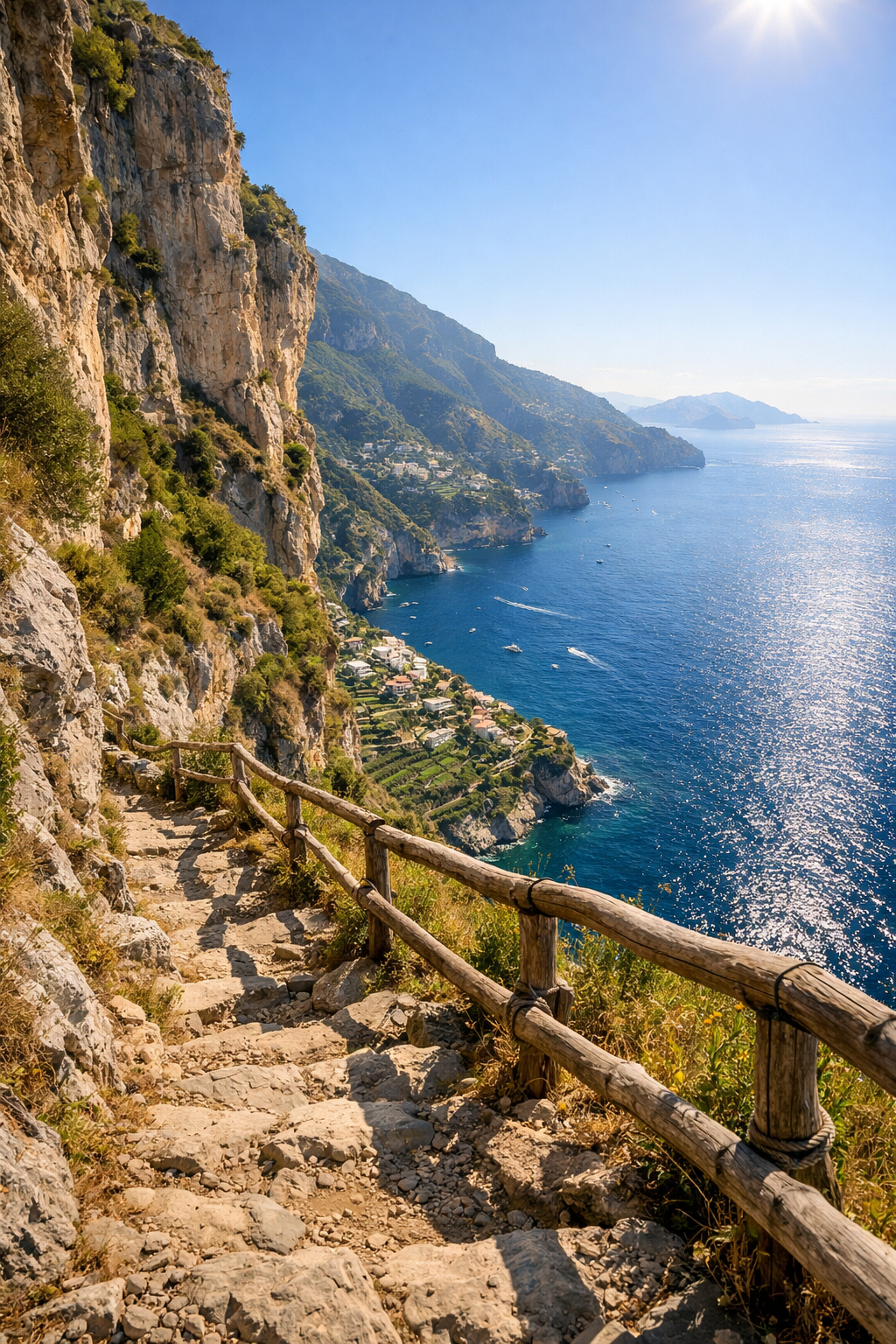
The Amalfi Coast is often associated with picturesque villages and winding coastal roads, but it is also home to extraordinary scenic hiking trails. The Sentiero degli Dei, or Path of the Gods, runs high above the coastline, offering sweeping views of the Mediterranean Sea.
From elevated ridges, hikers can see terraced vineyards, colorful seaside towns, and the shimmering water below. The combination of natural beauty and historic charm gives this trail a distinctive character.
Unlike remote mountain hikes, the Amalfi Coast allows visitors to pair physical adventure with cultural exploration. After completing the trail, it is possible to descend into a village and experience local cuisine, making the journey both scenic and immersive.
Zion National Park: Red Rock Canyons and Vertical Landscapes
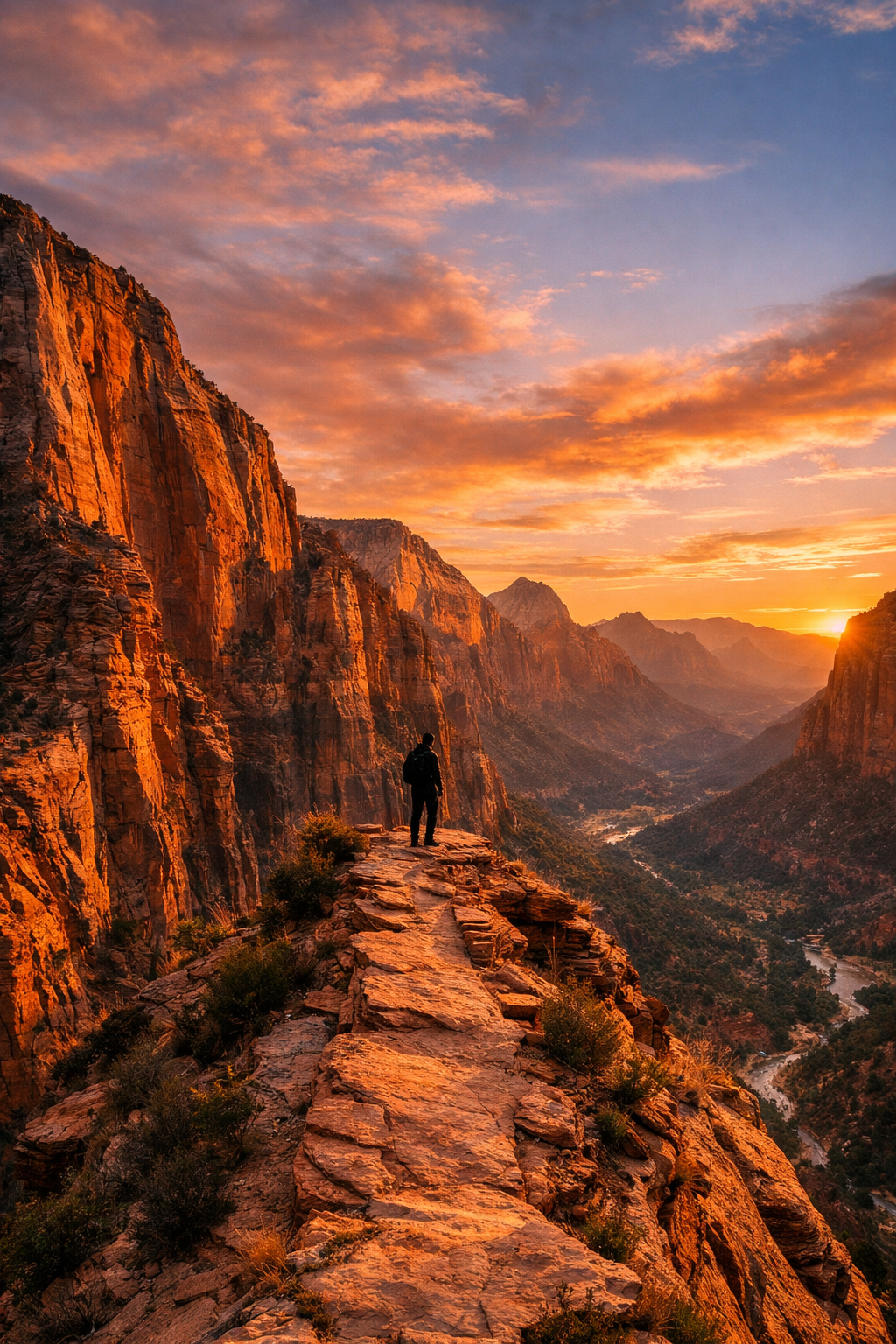
In the American Southwest, Zion National Park stands out for its towering sandstone cliffs and deep slot canyons. The park’s scenic hiking trails reveal a palette of reds, oranges, and creams sculpted by wind and water over millions of years.
Trails such as Angels Landing provide elevated perspectives that stretch across the entire canyon. Although some routes require careful footing and preparation, the resulting views are among the most dramatic in the region.
What distinguishes Zion is the sense of verticality. Cliffs rise sharply above the valley floor, creating a powerful sense of scale. Hiking here often feels like walking through a natural cathedral carved from stone.
Wadi Rum: Desert Silence and Monumental Sandstone
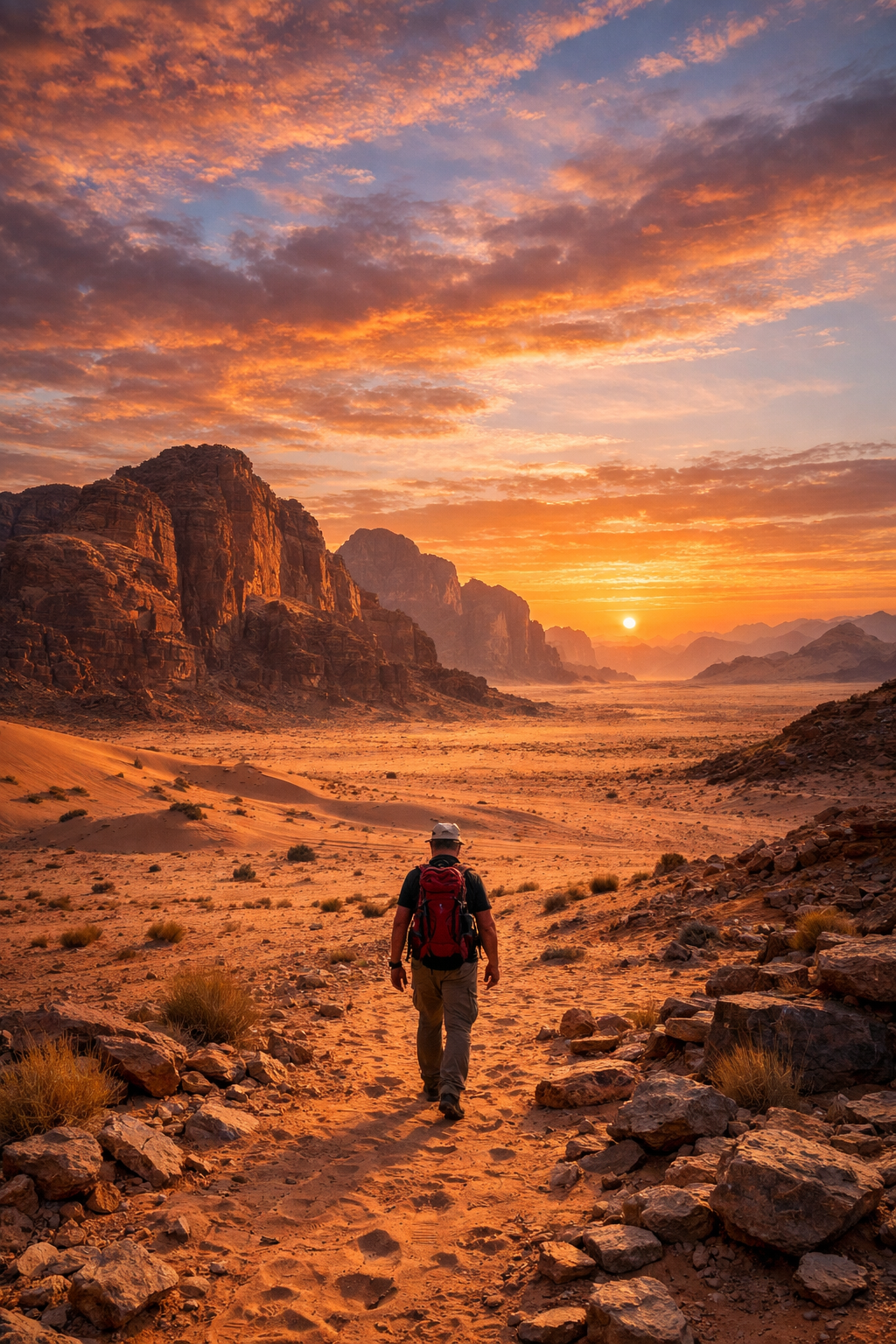
Hiking across the open desert reveals sweeping horizons and shifting colors, especially during sunrise and sunset. The silence and isolation amplify the visual impact of the landscape.
Unlike heavily trafficked parks, Wadi Rum can feel profoundly remote. The minimal vegetation and expansive sky create a sense of timelessness that leaves a lasting impression on visitors.
How to Choose the Right Scenic Hiking Trail for You
Selecting among the world’s scenic hiking trails depends on several factors, including fitness level, climate preference, and travel logistics. Some destinations require acclimatization to altitude, while others demand awareness of desert heat or coastal weather shifts.
It is important to research seasonal conditions. Snow can linger in alpine regions well into late spring, while desert environments may become dangerously hot during summer months. Responsible preparation enhances both safety and enjoyment.
Consider also the type of scenery that inspires you most. Mountain vistas, ocean cliffs, forested valleys, and desert landscapes each evoke different emotional responses. Aligning your expectations with the environment ensures a more meaningful experience.
The Transformative Power of Scenic Hiking Trails
Beyond physical health benefits, scenic hiking trails offer psychological and emotional rewards. Studies in environmental psychology suggest that exposure to expansive natural views can reduce stress and improve mood. While exact outcomes vary by individual, many hikers report feeling more focused and grounded after spending time in nature.
Standing on a viewpoint after a steady climb often brings a quiet sense of accomplishment. The combination of effort and reward creates a powerful memory that extends beyond the moment itself.
In a world increasingly dominated by screens and schedules, these trails remind us of scale. Mountains, oceans, and deserts operate on timelines far greater than our own, offering perspective that is both humbling and restorative.
Frequently Asked Questions About Scenic Hiking Trails
What is the best time of year to explore scenic hiking trails?
The ideal season depends on the location. Alpine regions are typically best from late spring through early autumn when snow has melted. Coastal trails may be pleasant year-round, though weather patterns vary. Desert trails are often safest during cooler months.
Are scenic hiking trails suitable for beginners?
Many scenic hiking trails are accessible to beginners, especially those with well-maintained paths and gradual elevation gain. It is essential to check trail difficulty ratings and ensure proper preparation before starting.
How can I stay safe on scenic hiking trails?
Safety begins with planning. Research the trail, check weather forecasts, carry sufficient water, and wear appropriate footwear. Inform someone of your plans if venturing into remote areas.
Do I need special equipment for scenic hiking trails?
For moderate trails, sturdy shoes, weather-appropriate clothing, and basic supplies are usually sufficient. More challenging routes may require trekking poles, navigation tools, or specialized gear depending on terrain and climate.
Why are scenic hiking trails so popular?
Scenic hiking trails combine physical activity with visual reward. The opportunity to experience extraordinary landscapes firsthand appeals to travelers seeking authenticity and connection with nature.
Conclusion: Chasing Views That Stay With You
Scenic hiking trails are more than routes through nature; they are pathways to perspective, resilience, and wonder. From the turquoise lakes of Banff to the red rock canyons of Zion and the silent expanses of Wadi Rum, each destination offers its own version of awe.
Choosing the right trail depends on personal preference, preparation, and respect for the environment. When approached thoughtfully, these journeys provide far more than photographs. They deliver clarity, inspiration, and a renewed appreciation for the natural world.
In the end, the most scenic hiking trails are those that change the way you see not only the landscape before you, but also your place within it.