
Last Updated on February 8, 2026 by John Tim
Stepping into a beautifully styled camper can feel like stepping into another era. A retro camper interior doesn’t just decorate a small space—it tells a story. It reflects a time when road trips were slow, colors were bold, and design felt joyful rather than minimal. Today, the resurgence of vintage travel culture has made retro camper interiors more popular than ever, especially among people who want character, warmth, and personality in their mobile living spaces.
This guide is written for readers who are exploring how to create or refine a nostalgic camper interior that feels authentic, livable, and visually striking. Whether you own a restored vintage trailer or a modern camper styled with classic influence, understanding the principles behind retro design helps you make confident, lasting choices.
Why Retro Camper Interiors Still Captivate Modern Travelers
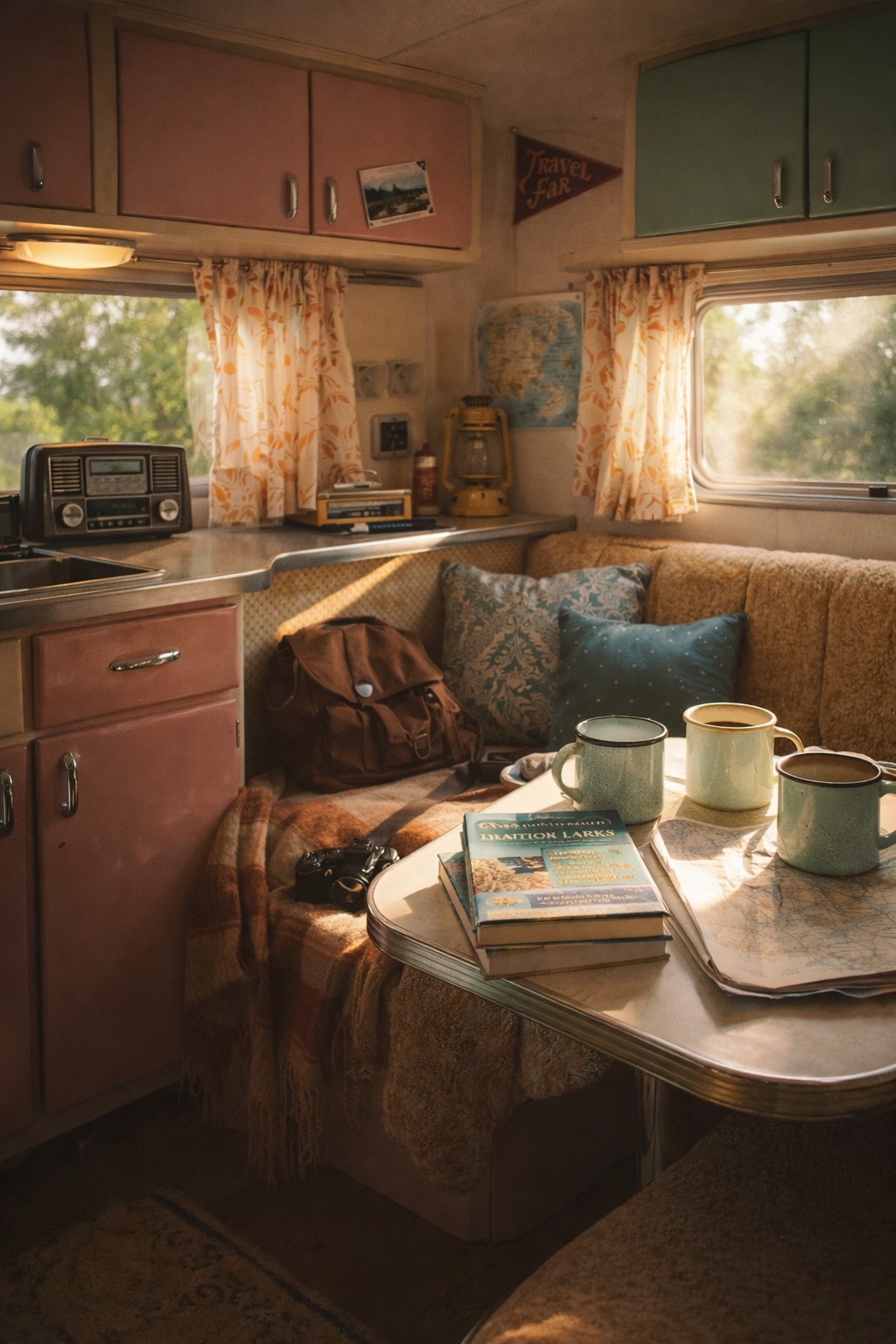
Retro design continues to resonate because it offers emotional comfort as much as visual appeal. The colors, shapes, and materials commonly found in classic campers evoke memories of simpler travel experiences and family adventures. Even for those who never lived through the original era, retro interiors feel welcoming and human in a way many modern designs do not.
A retro camper interior often balances charm with function. Compact layouts, clever storage, and cozy finishes were necessities in early campers, and those same qualities remain valuable today. Modern travelers are drawn to this style because it feels intentional rather than trendy, and expressive rather than sterile.
Understanding the Core Elements of Retro Camper Interior Design
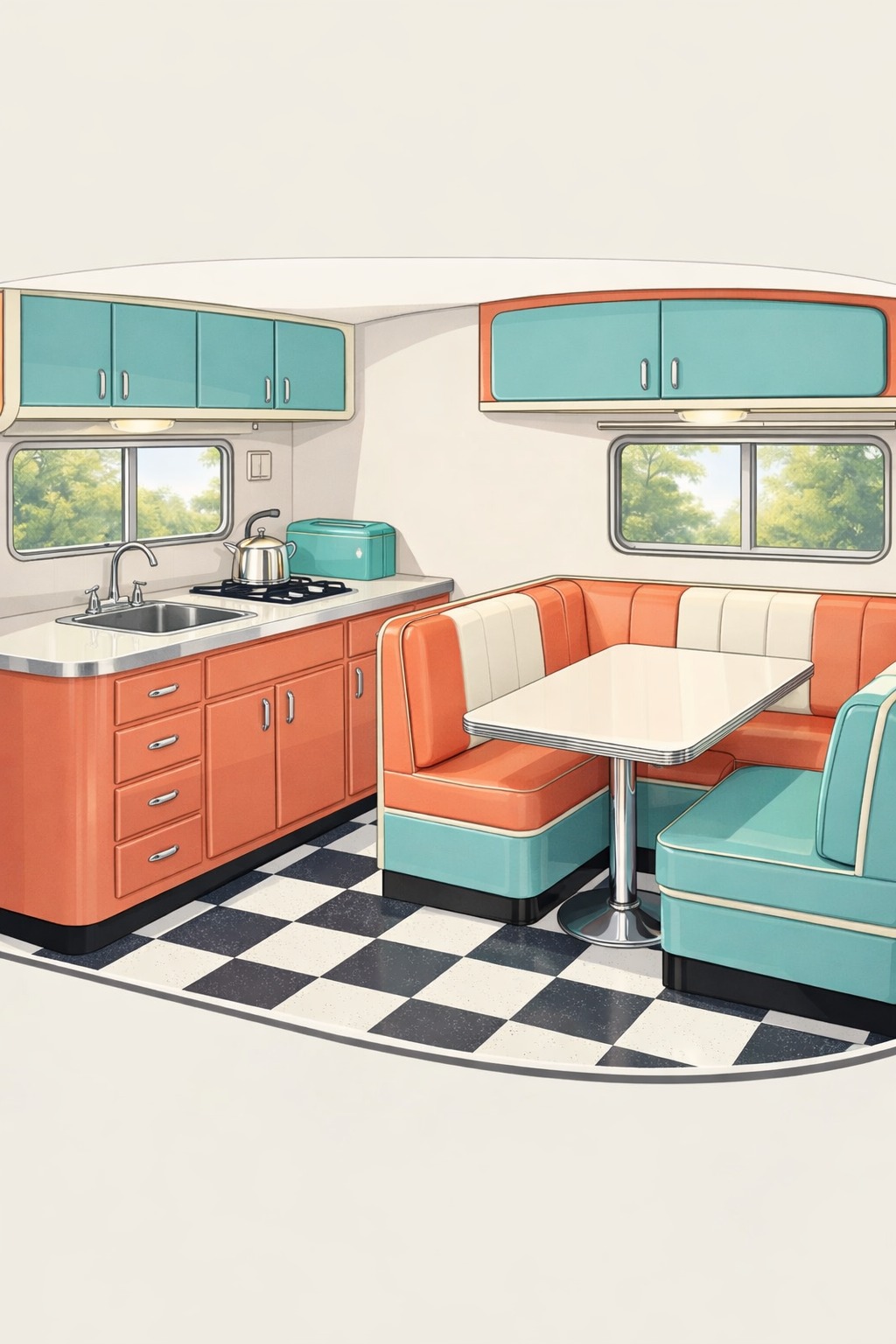
To create a convincing retro look, it helps to understand what defines the style beyond surface-level décor. Retro camper interiors were shaped by the materials and manufacturing styles of the mid-20th century, especially from the 1950s through the 1970s.
Color plays a major role. Warm pastels, mustard yellows, avocado greens, turquoise blues, and creamy whites set the foundation. These shades were chosen to brighten small interiors and make them feel cheerful even on long trips. Pattern is equally important, with gingham, geometric motifs, and playful florals adding visual rhythm.
Form also matters. Rounded edges, curved cabinetry, and soft silhouettes prevent the space from feeling boxy. Even when modern appliances are used, retro styling often disguises sharp lines in favor of smoother transitions.
Color Palettes That Instantly Signal a Retro Camper Interior
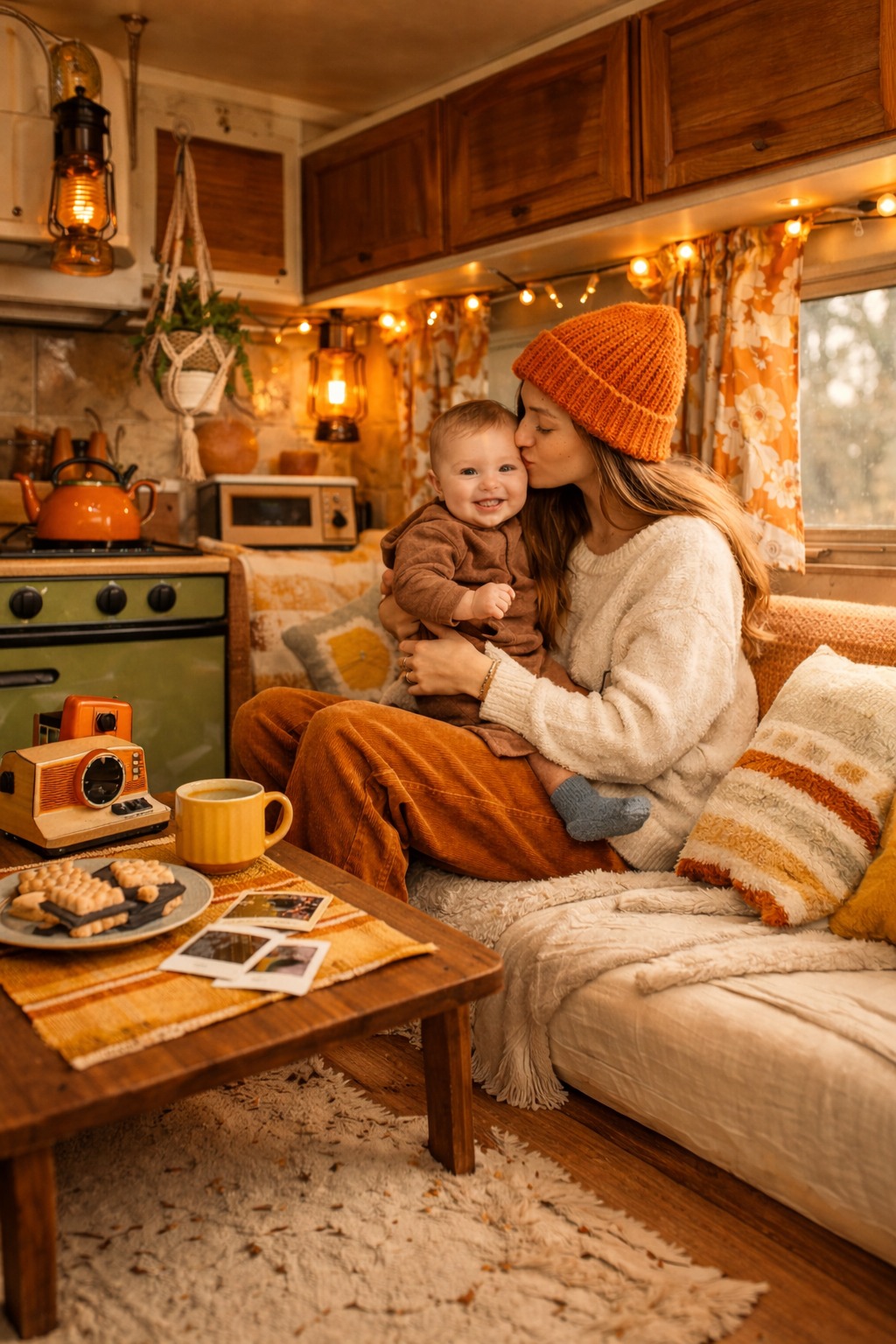
The fastest way to establish a retro camper interior is through color. Unlike modern neutral-heavy interiors, retro spaces celebrate contrast and warmth. Cabinets painted in mint green or pale blue paired with creamy walls create a classic backdrop that feels instantly nostalgic.
Two-tone combinations are particularly effective. Pairing a saturated color with an off-white tone helps keep the space from feeling overwhelming. Floors often feature checkerboard patterns or warm wood tones that ground brighter walls and furnishings.
Color in retro interiors is rarely random. It tends to repeat subtly across surfaces, textiles, and accessories, which creates harmony even when the palette feels bold.
Materials and Finishes That Bring Authentic Retro Character
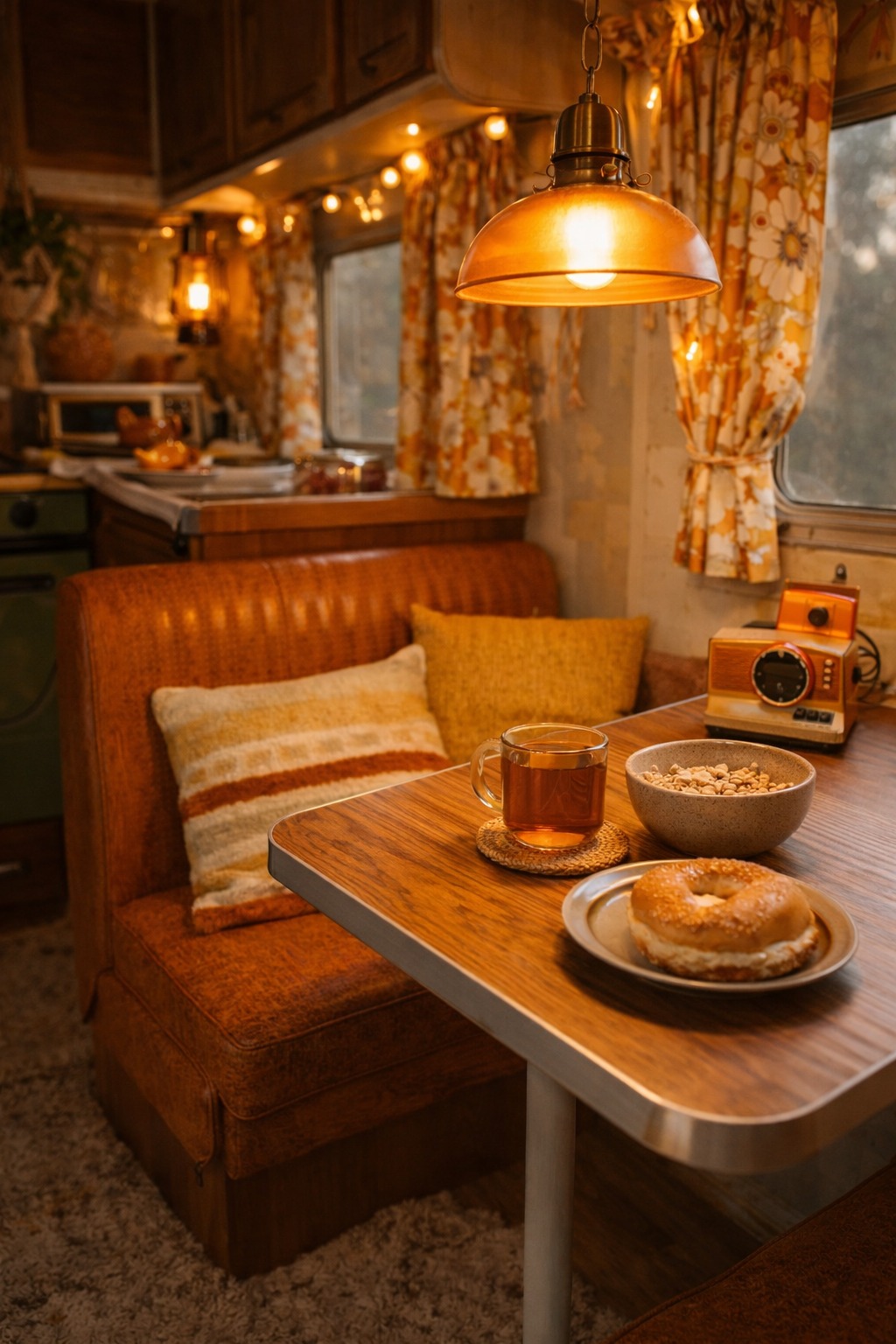
Material choice is where many retro camper interiors either succeed or fall flat. Authentic retro spaces rely on tactile finishes that feel durable and slightly imperfect. Laminates with soft sheen, wood veneer cabinetry, and vinyl flooring are common because they reflect the era’s practical design mindset.
Upholstery and curtains often use textured fabrics that add softness and depth. Even when modern materials are substituted for durability, choosing finishes that visually echo vintage textures helps maintain authenticity.
Metal accents such as brushed aluminum trim or chrome handles contribute subtle shine without overpowering the space. These details reinforce the sense of craftsmanship that defines classic campers.
Furniture Choices That Reflect Retro Comfort and Practicality
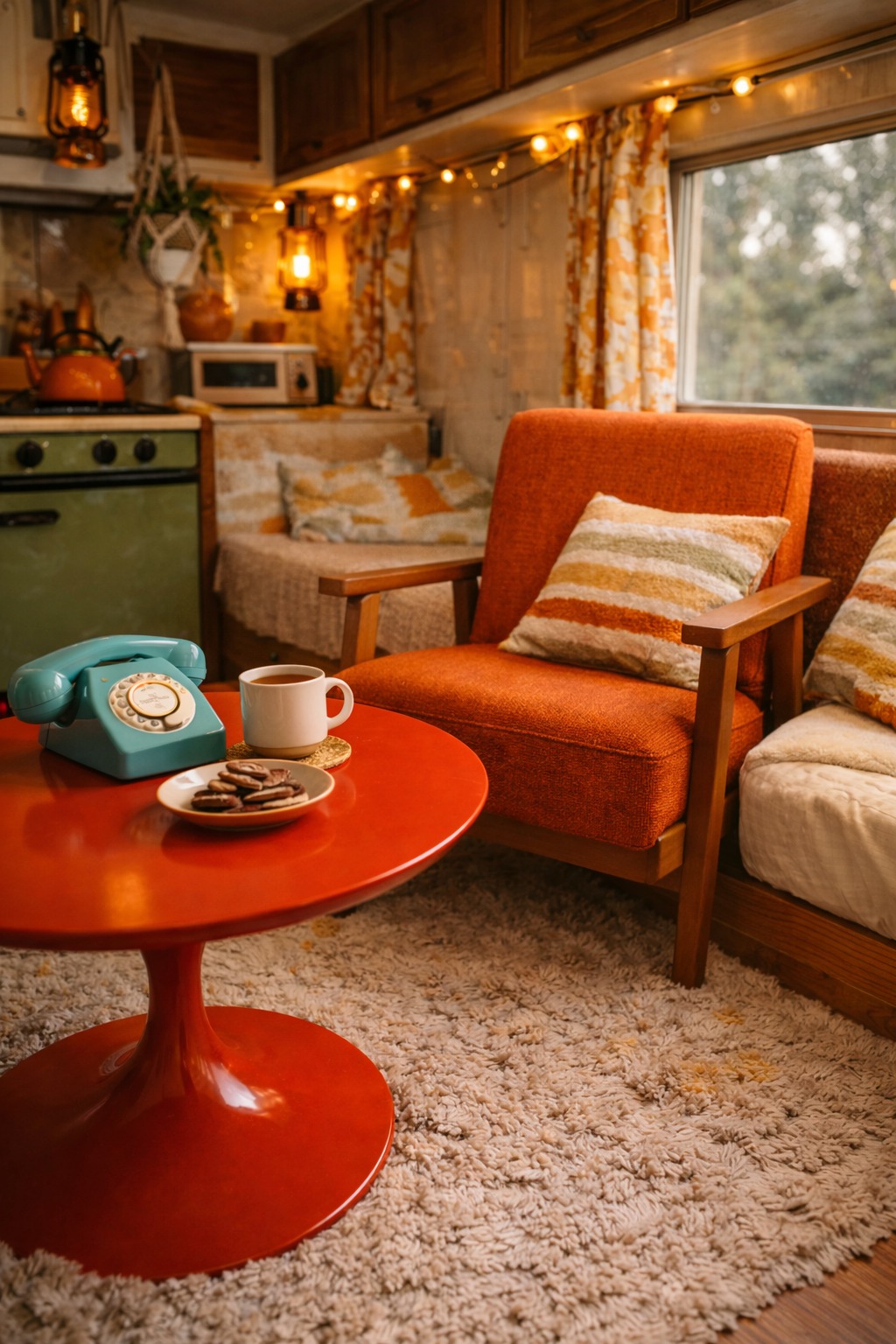
Furniture in a retro camper interior is designed to do more than one job. Dinette seating converts into sleeping space, benches hide storage, and compact tables fold away when not in use. These features were not decorative trends but functional solutions that still serve modern travelers well.
Visually, retro camper furniture favors rounded corners and integrated forms. Built-in seating feels more cohesive than standalone pieces and helps maximize limited square footage. Cushions often use contrasting piping or patterned fabric to add visual interest without clutter.
Comfort is central to the retro aesthetic. Soft seating, supportive cushions, and thoughtful proportions make the space feel livable rather than merely decorative.
Lighting That Enhances the Retro Camper Interior Mood
Lighting plays a surprisingly powerful role in shaping how a retro camper interior feels. Warm-toned lighting enhances nostalgic colors and makes small spaces feel intimate rather than cramped. Overhead dome lights, wall-mounted sconces, and under-cabinet lighting all contribute to layered illumination.
Fixtures themselves often double as décor. Rounded glass covers, metal trim, and softly diffused bulbs reflect mid-century design sensibilities. Even when modern LED systems are installed, choosing warm color temperatures preserves the vintage atmosphere.
Natural light also matters. Retro campers frequently use compact windows framed by patterned curtains, which soften daylight and create a cozy glow throughout the interior.
Blending Modern Comforts Without Losing Retro Charm
Many camper owners want the charm of a retro camper interior without sacrificing modern convenience. The key lies in thoughtful integration rather than total replacement. Modern appliances can be concealed behind vintage-style cabinetry or selected in colors that match the retro palette.
Technology should support the experience without dominating it. Subtle upgrades such as improved insulation, efficient lighting, and hidden charging ports allow for comfort while preserving visual authenticity.
This balance is what makes retro camper interiors appealing today. They honor the past while acknowledging present-day needs.
Creating a Cohesive Retro Story Throughout the Camper
A successful retro camper interior feels intentional from front to back. Consistency in color, material, and form creates a sense of flow that makes even a small camper feel thoughtfully designed. When each area references the same visual language, the interior feels larger and more immersive.
Rather than adding many unrelated vintage items, a cohesive approach focuses on repetition and restraint. A few strong design choices echoed throughout the space create greater impact than cluttered décor.
This storytelling aspect is what transforms a camper from a vehicle into a personal retreat with character and soul.
Maintaining and Aging a Retro Camper Interior Gracefully
Retro interiors often improve with time when they are cared for properly. Gentle wear adds authenticity, but neglect can undermine both appearance and function. Regular maintenance of surfaces, fabrics, and fixtures helps preserve the camper’s charm while ensuring safety and comfort.
Cleaning products should be chosen carefully to protect vintage-style finishes. Small repairs handled early prevent larger issues and keep the interior looking intentional rather than worn out.
A well-maintained retro camper interior feels lived-in, not outdated, which is exactly what gives it lasting appeal.
Frequently Asked Questions About Retro Camper Interiors
What defines a true retro camper interior?
A true retro camper interior combines vintage-inspired colors, materials, and forms with practical layouts typical of mid-20th-century campers. Authenticity comes from cohesive design rather than isolated decorative elements.
Can a modern camper be styled with a retro camper interior?
Yes, many modern campers are styled with retro camper interiors by using classic color palettes, rounded cabinetry, vintage-style textiles, and retro-inspired fixtures while keeping modern systems hidden or visually integrated.
Are retro camper interiors practical for long trips?
When designed thoughtfully, a retro camper interior can be very practical. The original designs emphasized comfort, storage efficiency, and durability, which remain valuable for extended travel today.
How do I avoid making a retro camper interior look outdated?
Avoid overcrowding the space and focus on consistency. Blending a few modern conveniences discreetly helps the interior feel intentional rather than frozen in time.
Is restoring an original retro camper interior better than remodeling?
It depends on the camper’s condition and your goals. Restoring preserves authenticity, while remodeling allows customization. Both approaches can result in a successful retro camper interior when done thoughtfully.
Conclusion: Why Retro Camper Interiors Continue to Inspire
A well-designed retro camper interior offers more than visual nostalgia. It creates an environment that feels warm, expressive, and deeply personal. By understanding the colors, materials, and principles that define retro design, you can craft a camper space that feels timeless rather than trendy.
Whether you are restoring a vintage trailer or styling a modern camper with classic influence, the appeal of a retro camper interior lies in its balance of charm and function. It invites you to slow down, enjoy the journey, and connect with the simple joy of travel. In a world that often moves too fast, that feeling alone is what makes retro camper interiors truly unforgettable.


