Last Updated on February 24, 2026 by John Tim
Waking up outdoors feels different from waking up at home. The air is cooler, the sounds are softer, and the world seems quieter and more intentional. A well-planned camping morning routine can turn those early hours into the most peaceful and energizing part of your trip. Instead of rushing, scrambling for coffee, or feeling disorganized, you can create a rhythm that sets a calm and productive tone for the entire day.
Whether you are camping in the mountains, near a lake, or at a local campground, your morning sets the pace for everything that follows. A thoughtful camping morning routine is not about strict schedules. It is about creating a simple structure that helps you feel refreshed, prepared, and fully present in nature.
This guide will walk you through how to design the perfect camping morning routine for a fresh start outdoors. It draws from real-world camping experience and practical outdoor knowledge to help you build habits that feel natural and sustainable.
Why a Camping Morning Routine Matters
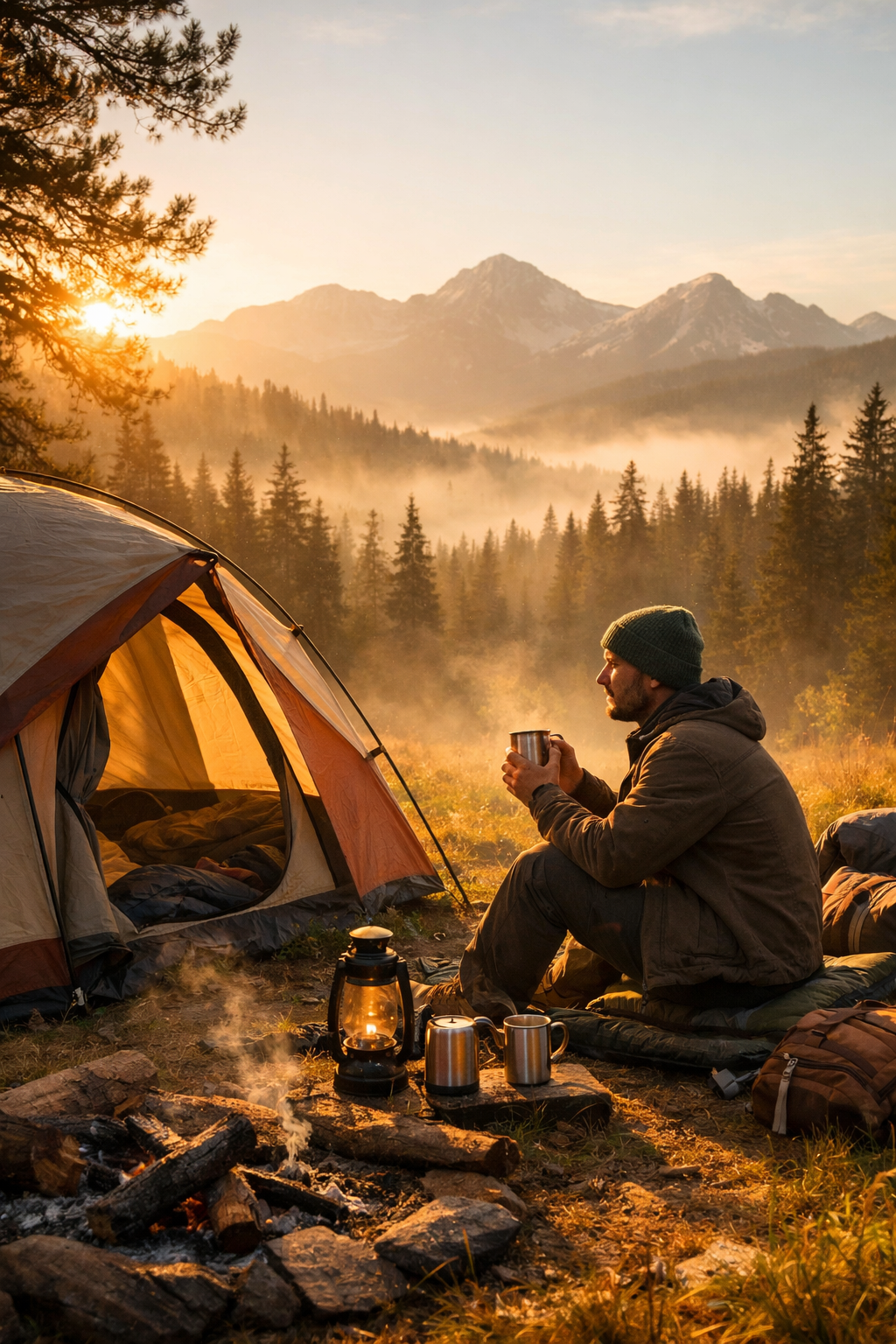
Camping is often seen as an escape from routine. Yet having a gentle structure in the morning actually enhances freedom rather than limits it. When you wake up without a plan, small tasks can quickly feel overwhelming. Finding your shoes, searching for your toothbrush, or figuring out breakfast can eat into the quiet beauty of the morning.
A consistent camping morning routine reduces decision fatigue. It allows you to move through simple steps automatically, giving you more time to enjoy your surroundings. When you wake up and know exactly what comes next, you feel grounded instead of scattered.
Mornings outdoors also impact safety and comfort. Proper hydration, checking the weather, and reviewing your plan for the day are small actions that can prevent problems later. A mindful start helps you adapt to changing conditions, especially if you are hiking, fishing, or exploring unfamiliar terrain.
Most importantly, the right routine helps you connect with nature. Instead of rushing to pack up or jump into activities, you create space to observe the sunrise, listen to birds, and appreciate the stillness that makes camping so special.
Waking Up Naturally in the Outdoors

One of the greatest advantages of camping is the opportunity to wake up with natural light instead of an alarm clock. Your body naturally responds to sunrise. If your campsite allows it, position your tent so that morning light gently filters in. This makes waking up more gradual and less abrupt.
When you first open your eyes, avoid immediately jumping into action. Take a few moments to notice your surroundings. Feel the temperature of the air, listen for distant sounds, and stretch slowly inside your sleeping bag. This simple awareness anchors you in the present.
If you camp frequently, you may notice that your body adjusts quickly to an earlier sleep and wake cycle. Going to bed shortly after sunset often leads to waking up earlier without effort. A consistent sleep pattern enhances your overall camping morning routine by making it easier to feel rested and alert.
Hydration and Refreshing the Body
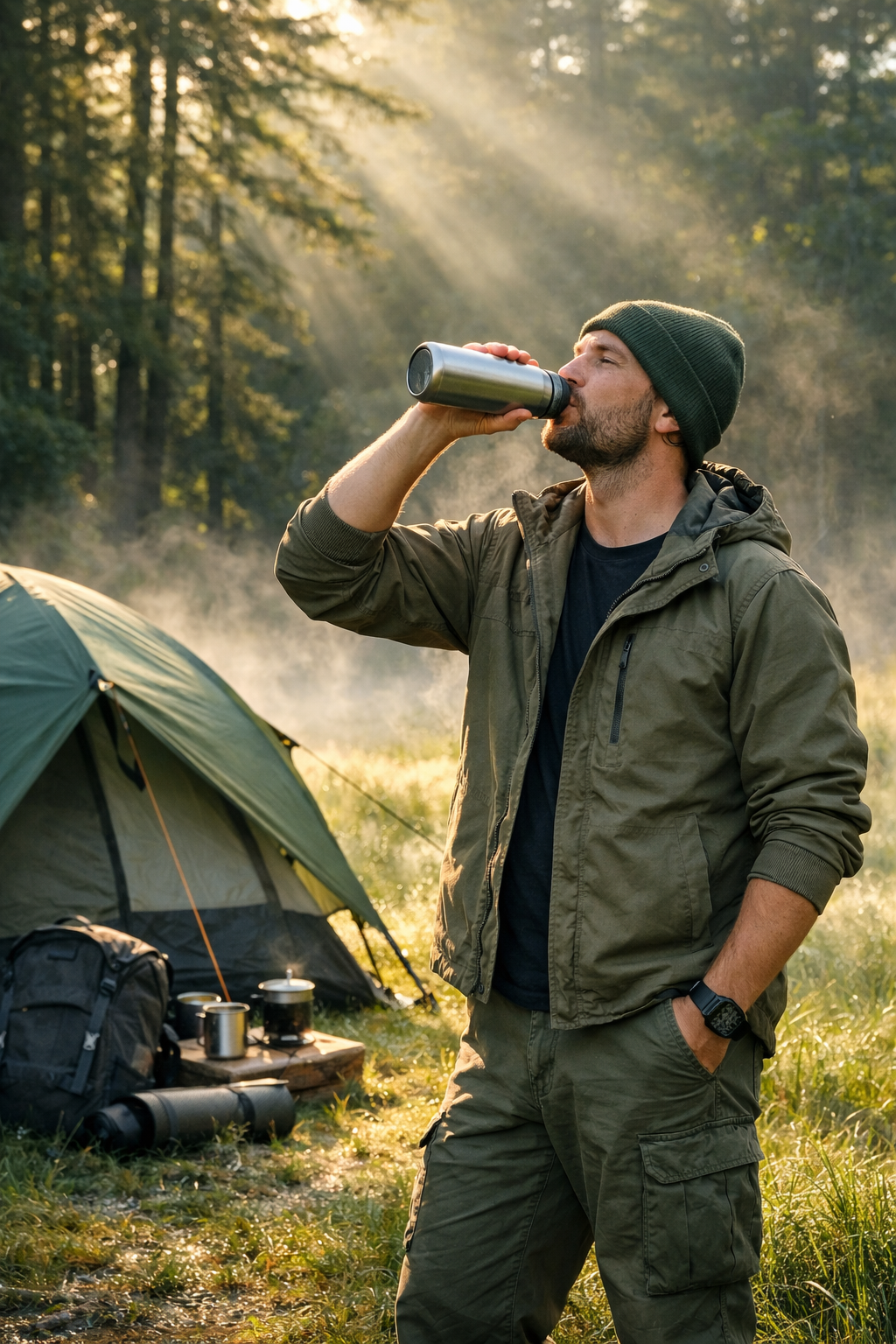
After a full night of sleep, your body needs water. Before coffee or breakfast, start your morning with hydration. Keeping a filled water bottle near your sleeping area makes this step easy. Drinking water first thing helps with energy, focus, and digestion.
If you are camping in a remote area, always ensure your water is treated or filtered properly. Safe hydration is a foundational part of any responsible camping morning routine. When you prioritize this step, you support both your physical performance and overall well-being.
Washing your face and brushing your teeth may seem simple, but these small acts signal to your brain that the day has begun. Even in rustic conditions, basic hygiene improves mood and comfort. Using biodegradable soap and following campsite guidelines ensures you respect the environment while taking care of yourself.
Gentle Movement and Stretching
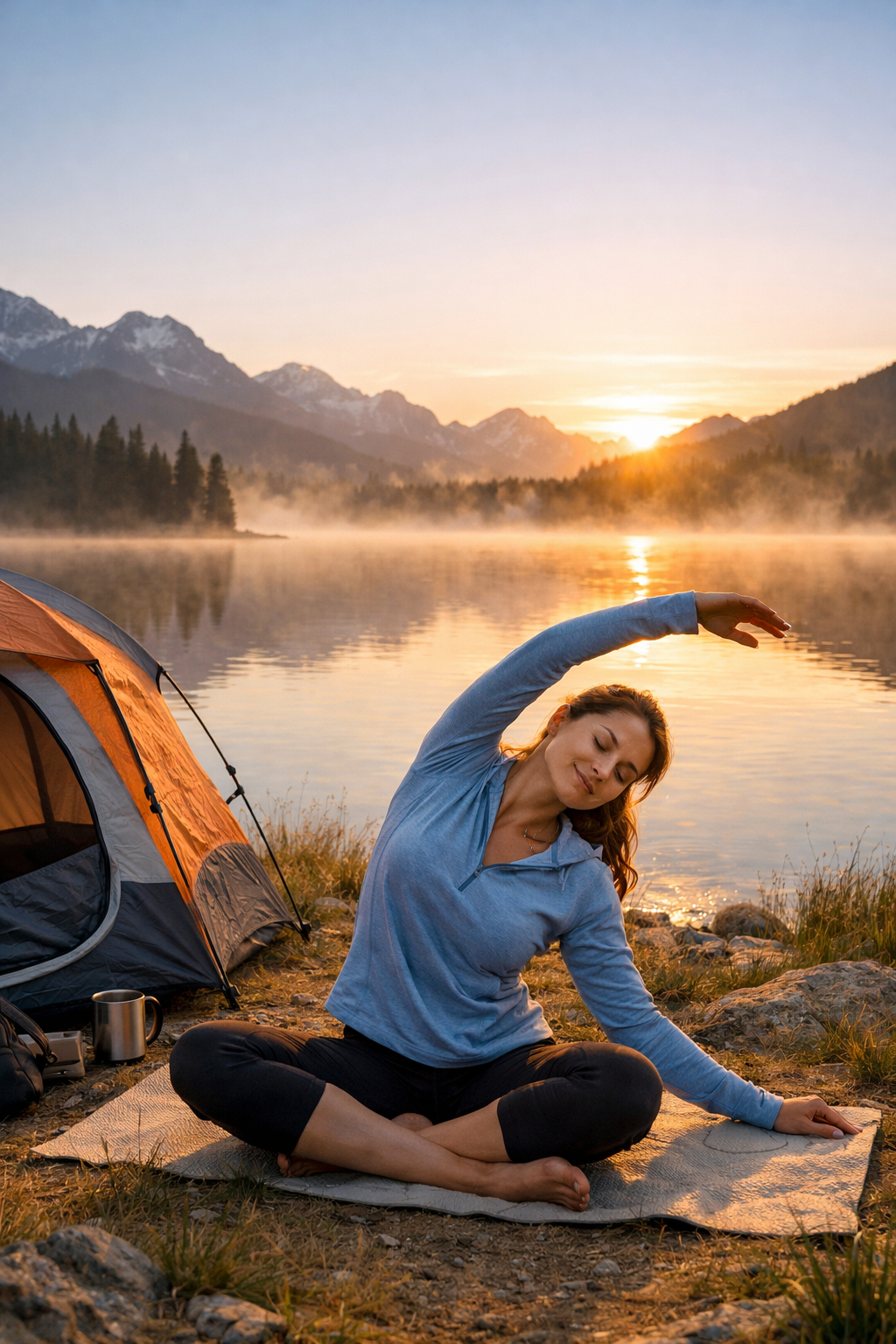
Sleeping on a pad or in a tent can leave your muscles slightly stiff. Incorporating gentle stretching into your camping morning routine helps restore mobility and reduce discomfort. Focus on slow movements rather than intense exercise.
Stretch your back, shoulders, and legs. Roll your neck gently and take deep breaths. If you practice yoga or light mobility exercises at home, you can adapt a shorter version outdoors. The key is to move intentionally.
Morning movement outdoors feels different from indoor workouts. The fresh air and natural scenery make even simple stretches feel revitalizing. This is also a good time to check in with your body. If you plan to hike or engage in physical activity later, notice how you feel and adjust your plans accordingly.
Enjoying a Mindful Moment in Nature
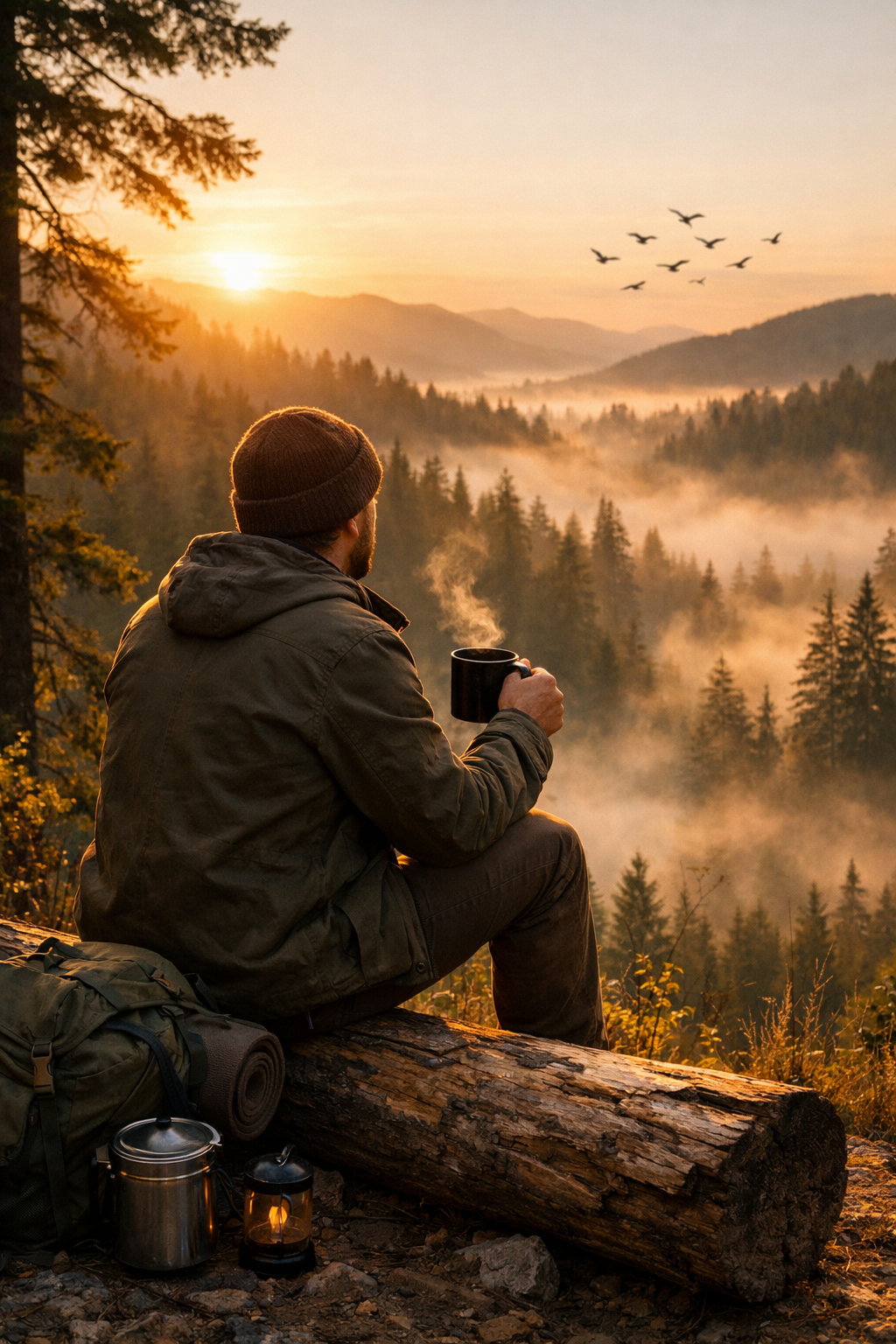
A truly effective camping morning routine includes stillness. Before diving into tasks, allow yourself a few quiet minutes outside your tent. Sit on a camp chair, a log, or even the ground.
Observe the way light changes across trees or water. Listen to birds or the subtle movement of wind through leaves. This mindfulness practice does not require formal meditation. Simply being present is enough.
Spending even five minutes in silence enhances mental clarity. It reduces stress and helps you appreciate why you chose to camp in the first place. Many experienced campers consider this reflective time the most valuable part of their morning.
Preparing a Simple and Satisfying Breakfast

Breakfast is often the highlight of a camping morning routine. The smell of coffee brewing and food cooking over a portable stove creates a sense of comfort and warmth.
Plan meals that are easy to prepare and clean up. Oatmeal, eggs, toast, or simple skillet meals work well. If you prefer something lighter, fruit and granola can be practical choices. Preparing breakfast should feel manageable, not stressful.
Coffee or tea rituals are deeply personal. Heating water slowly and enjoying your drink while looking at the scenery adds to the experience. Avoid rushing through this time. Eating slowly outdoors often feels more satisfying than a hurried breakfast at home.
Cleaning up immediately after eating keeps your campsite organized. A tidy site supports a calm mindset and prevents attracting wildlife.
Checking the Day’s Plan and Weather
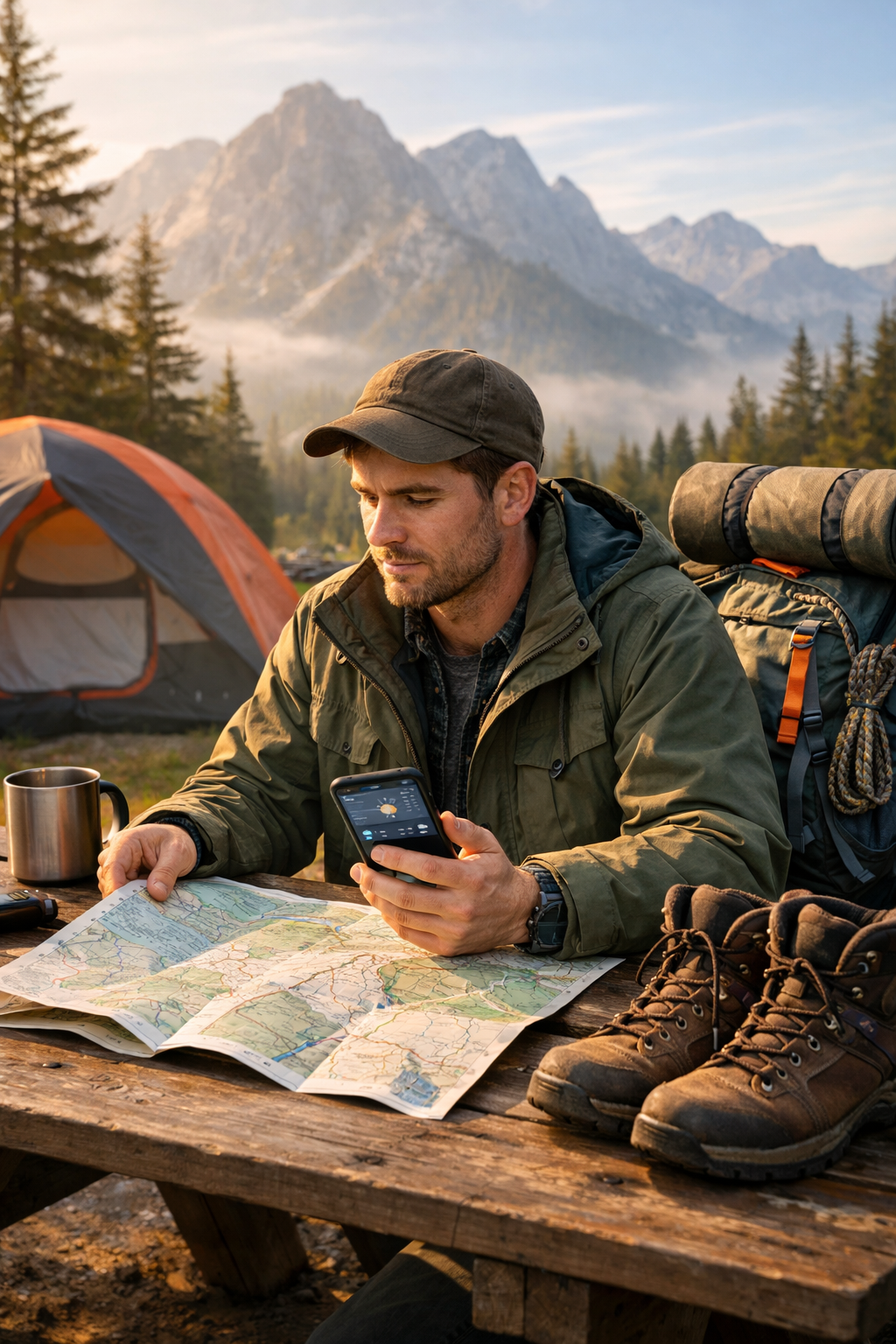
An effective camping morning routine includes preparation for the day ahead. Check the weather conditions, especially if you are in a mountainous or coastal region where changes can happen quickly.
Review your planned activities. If you are hiking, confirm your route and estimated return time. If you plan to swim or fish, consider safety factors such as water temperature or currents.
This planning stage does not need to be lengthy. A few minutes of intentional thought can prevent unexpected challenges. When you start your day informed and prepared, you move forward with confidence.
Keeping Your Campsite Organized
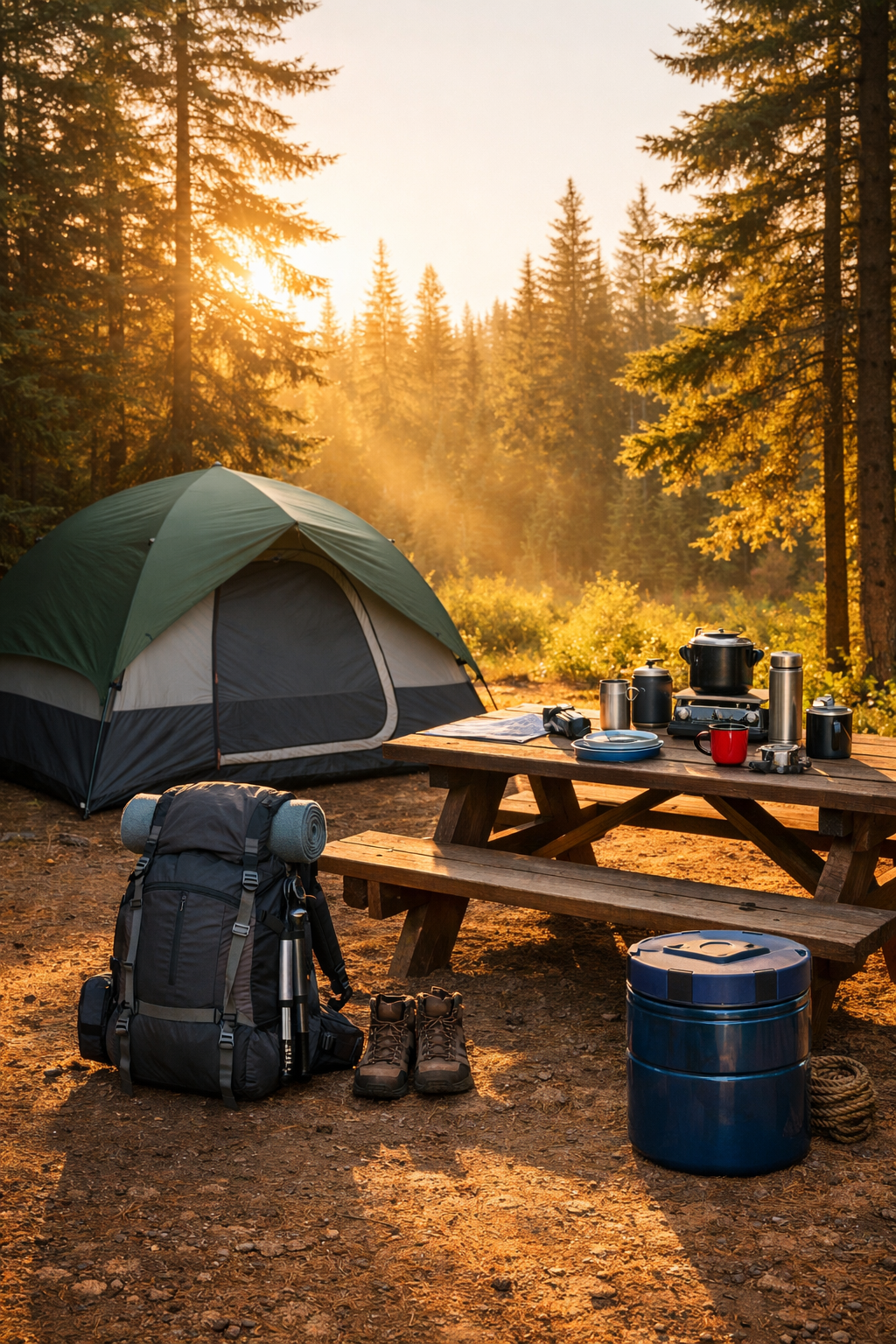
Organization is a powerful but often overlooked part of a successful camping morning routine. Before leaving your site for activities, take a moment to secure loose items, store food properly, and close your tent.
Maintaining order reduces stress when you return later in the day. You will not need to reorganize or search for items. It also demonstrates respect for shared campgrounds and wildlife.
Experienced campers know that a clean and secure campsite is part of responsible outdoor practice. Making it a daily habit ensures safety and convenience.
Adapting Your Routine to Different Camping Styles
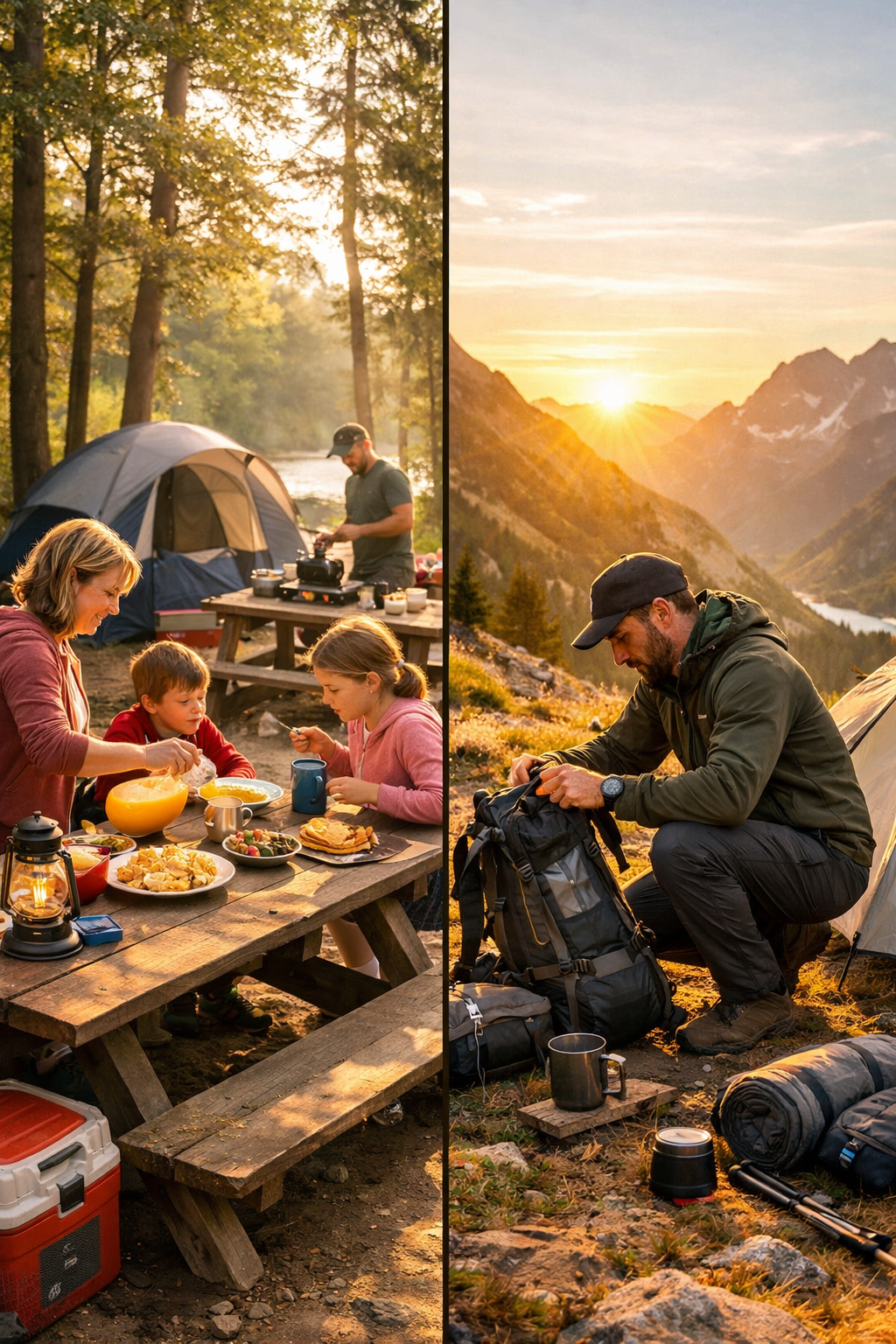
Not all camping experiences are the same. A family campground trip looks different from a backcountry hiking adventure. Your camping morning routine should reflect your environment and needs.
If you are camping with children, mornings may require more structure and preparation. Simple tasks like organizing clothing or preparing breakfast ingredients the night before can ease morning pressure.
In contrast, solo campers may enjoy longer periods of quiet reflection. Backpackers might prioritize efficiency, focusing on packing quickly and conserving fuel.
Flexibility is key. A routine should guide you, not restrict you. As conditions change, adapt your approach while maintaining the core elements of hydration, movement, mindfulness, nourishment, and preparation.
Common Mistakes to Avoid in the Morning
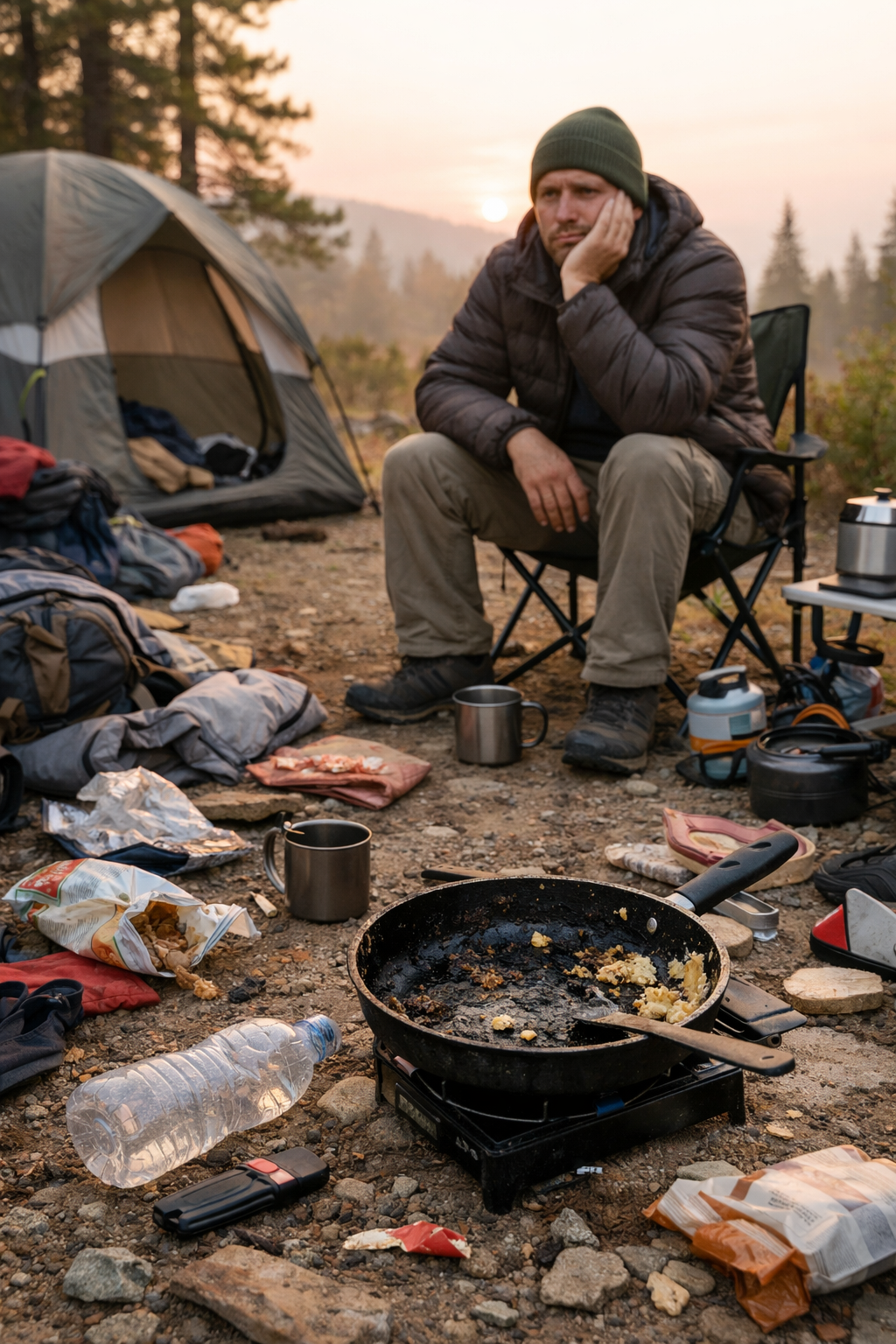
Even seasoned campers can fall into habits that disrupt the start of the day. Skipping hydration, rushing breakfast, or neglecting to check weather conditions can lead to discomfort later.
Another common issue is overcomplicating the morning. Bringing too much gear or planning elaborate meals can create unnecessary stress. Simplicity is often more effective.
Avoid ignoring your body’s signals. If you feel fatigued or sore, adjust your plans rather than pushing through. A thoughtful camping morning routine prioritizes well-being over rigid schedules.
Frequently Asked Questions About Camping Morning Routine
What is the best time to wake up while camping?
The best time to wake up while camping often aligns with sunrise. Natural light gently signals your body to wake up, making the transition smoother than using an alarm. However, the ideal time depends on your planned activities and personal sleep needs.
How can I make my camping morning routine easier?
Preparation the night before makes mornings smoother. Organizing gear, filling water bottles, and planning breakfast in advance reduces stress. Keeping essentials like water and toiletries within easy reach also simplifies your start.
Should I exercise every morning while camping?
Light movement and stretching are beneficial, especially after sleeping on uneven surfaces. Intense exercise is not necessary unless it fits your personal goals. Gentle mobility work is usually enough to feel refreshed and ready.
What should I eat for breakfast while camping?
Choose foods that are easy to prepare and clean up. Balanced options with protein and carbohydrates support energy levels. The key is practicality and enjoyment rather than complexity.
How long should a camping morning routine take?
There is no fixed duration. Some campers prefer a quick and efficient start, while others enjoy lingering for an hour or more. The goal is to feel calm, prepared, and connected to your surroundings before beginning the day’s activities.
Conclusion: Creating a Fresh Start Every Day Outdoors
A well-designed camping morning routine transforms your outdoor experience from chaotic to calm. It begins with waking naturally and hydrating your body. It continues through gentle movement, mindful reflection, and a nourishing breakfast. It includes preparation for the day ahead and a commitment to keeping your campsite organized.
The true value of a camping morning routine lies not in strict rules but in intentional habits. By creating a simple structure that supports health, awareness, and readiness, you set yourself up for a fulfilling day outdoors.
Each morning in nature is a fresh opportunity. When you approach it with care and presence, you deepen your connection to the environment and to yourself. With a thoughtful routine in place, every sunrise becomes more than just the start of a day. It becomes the foundation for meaningful adventure, steady energy, and lasting memories in the outdoors.