Last Updated on March 11, 2026 by John Tim
A well-planned family summer camp can become one of the most memorable traditions a family ever creates. In today’s fast-paced world, where schedules are packed with work, school, and digital distractions, spending meaningful time together outdoors offers a refreshing and powerful way to reconnect. A family summer camp is not just about pitching a tent or roasting marshmallows. It is about shared experiences, laughter around a campfire, discovering nature together, and creating memories that stay with children long after the summer ends.
Many families assume that organizing a family summer camp requires complicated planning or expensive travel. In reality, a great family camp experience can be simple, affordable, and flexible. Whether it takes place in a national park, a nearby campground, a lakeside cabin, or even your own backyard, the heart of the experience lies in quality time and thoughtful preparation.
This guide explores practical ideas and proven planning strategies that help families design an unforgettable family summer camp experience. From choosing the right location and activities to keeping children engaged and ensuring safety, the following sections provide everything you need to create a meaningful and enjoyable summer adventure.
Choosing the Perfect Location for a Family Summer Camp
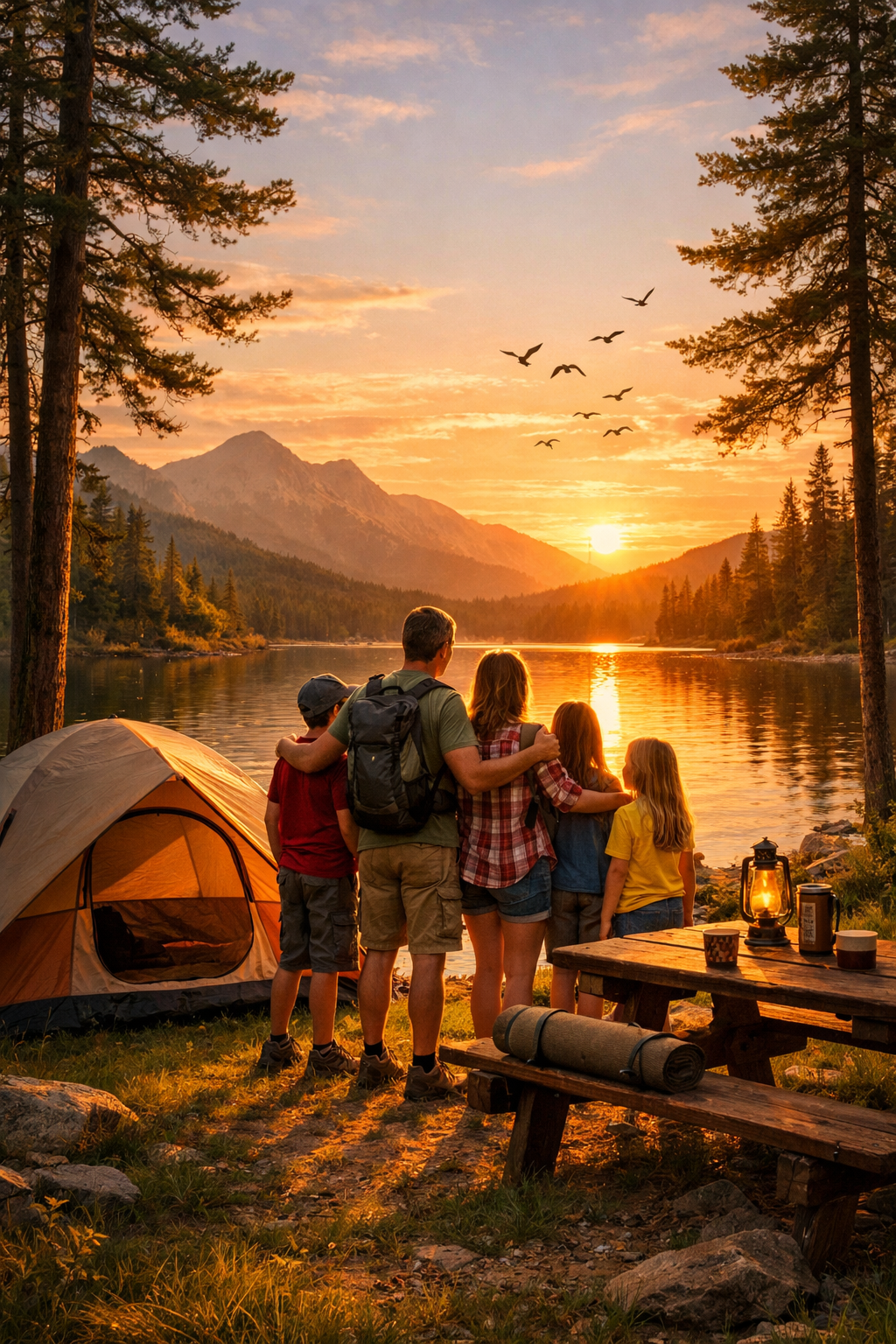
The location of a family summer camp plays a major role in shaping the entire experience. While scenic national parks and mountain campsites are often ideal, the most important factor is choosing a place that suits the needs and comfort level of everyone in the family.
Families with young children often benefit from campgrounds that provide basic amenities such as restrooms, water access, and designated cooking areas. These features make the experience more comfortable while still allowing families to enjoy nature. Lakeside or forested campgrounds can be particularly appealing because they offer opportunities for swimming, fishing, hiking, and wildlife observation.
For families seeking a quieter and more intimate setting, smaller regional parks or private campsites may provide a more relaxed atmosphere. These locations often allow families to explore nature at their own pace without the crowds that sometimes accompany popular tourist destinations.
Some families also create their own version of a family summer camp at home. Backyard camping can be surprisingly magical for children. Setting up a tent, preparing simple outdoor meals, and telling stories under the stars can recreate the spirit of traditional camping without requiring long-distance travel.
The key is to choose a setting where everyone feels comfortable, safe, and excited about the adventure ahead.
Fun and Meaningful Activities for the Whole Family
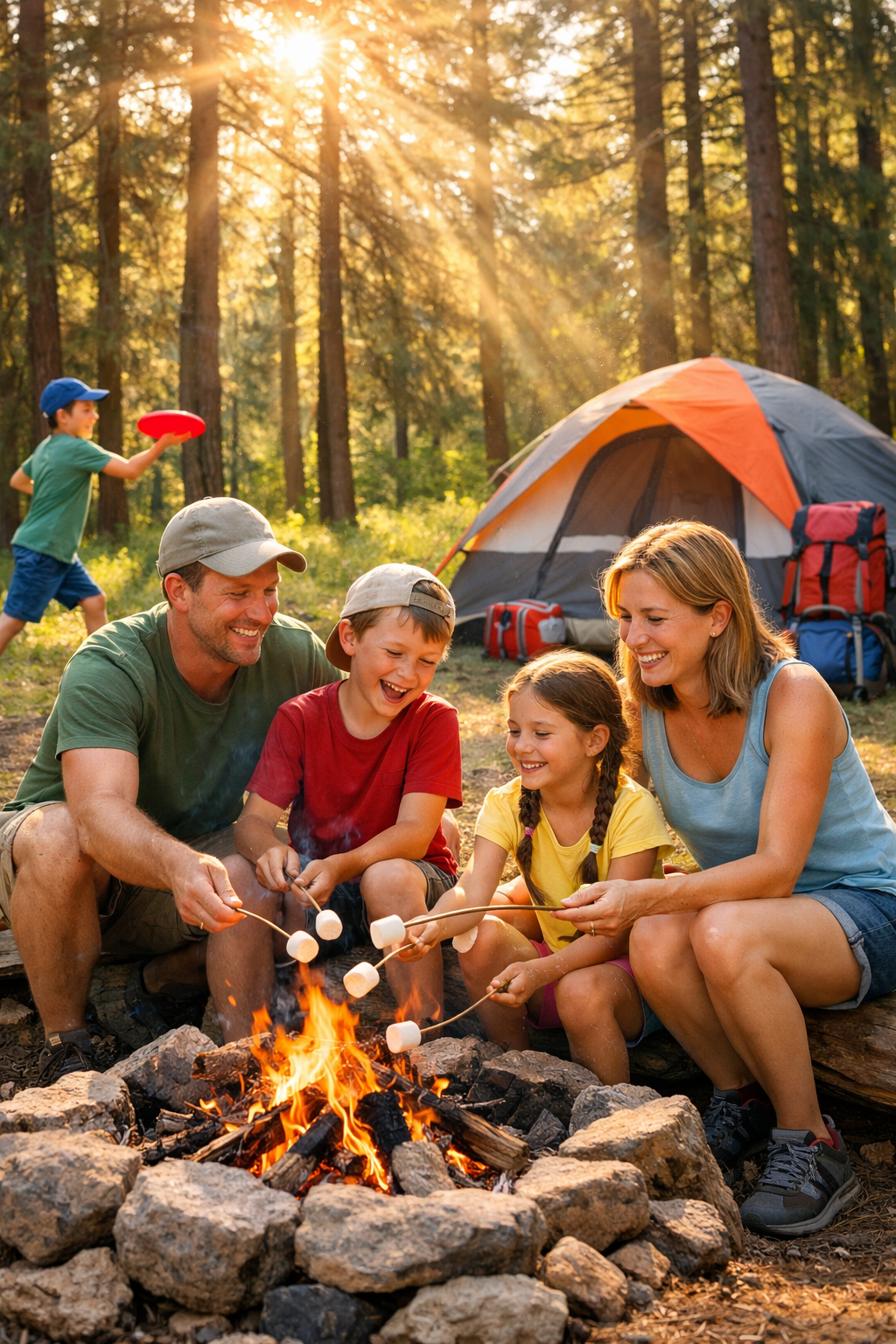
A successful family summer camp thrives on activities that encourage participation from every family member. While outdoor recreation is often the centerpiece, the most meaningful moments often come from shared experiences that spark curiosity and teamwork.
Nature exploration is one of the most engaging activities during a family summer camp. Families can walk through forest trails, observe birds and insects, or collect interesting rocks and leaves. These small discoveries help children develop a deeper appreciation for the natural world.
Campfire storytelling is another timeless tradition that strengthens family bonds. Sitting together in the evening while sharing stories, jokes, or personal memories creates a relaxed environment where children feel comfortable expressing themselves.
Creative activities can also add excitement to the camp experience. Some families enjoy building simple nature crafts using twigs, leaves, and stones found around the campsite. Others organize friendly outdoor games such as scavenger hunts, relay races, or simple treasure hunts that encourage teamwork.
Cooking together outdoors can become one of the most memorable parts of a family summer camp. Preparing meals over a campfire or portable stove introduces children to basic cooking skills while making them feel involved in the group effort. Even simple meals like grilled sandwiches or roasted corn can feel special when prepared together in the open air.
When activities focus on collaboration rather than competition, the entire family becomes part of the adventure.
Planning and Preparation for a Smooth Camping Experience
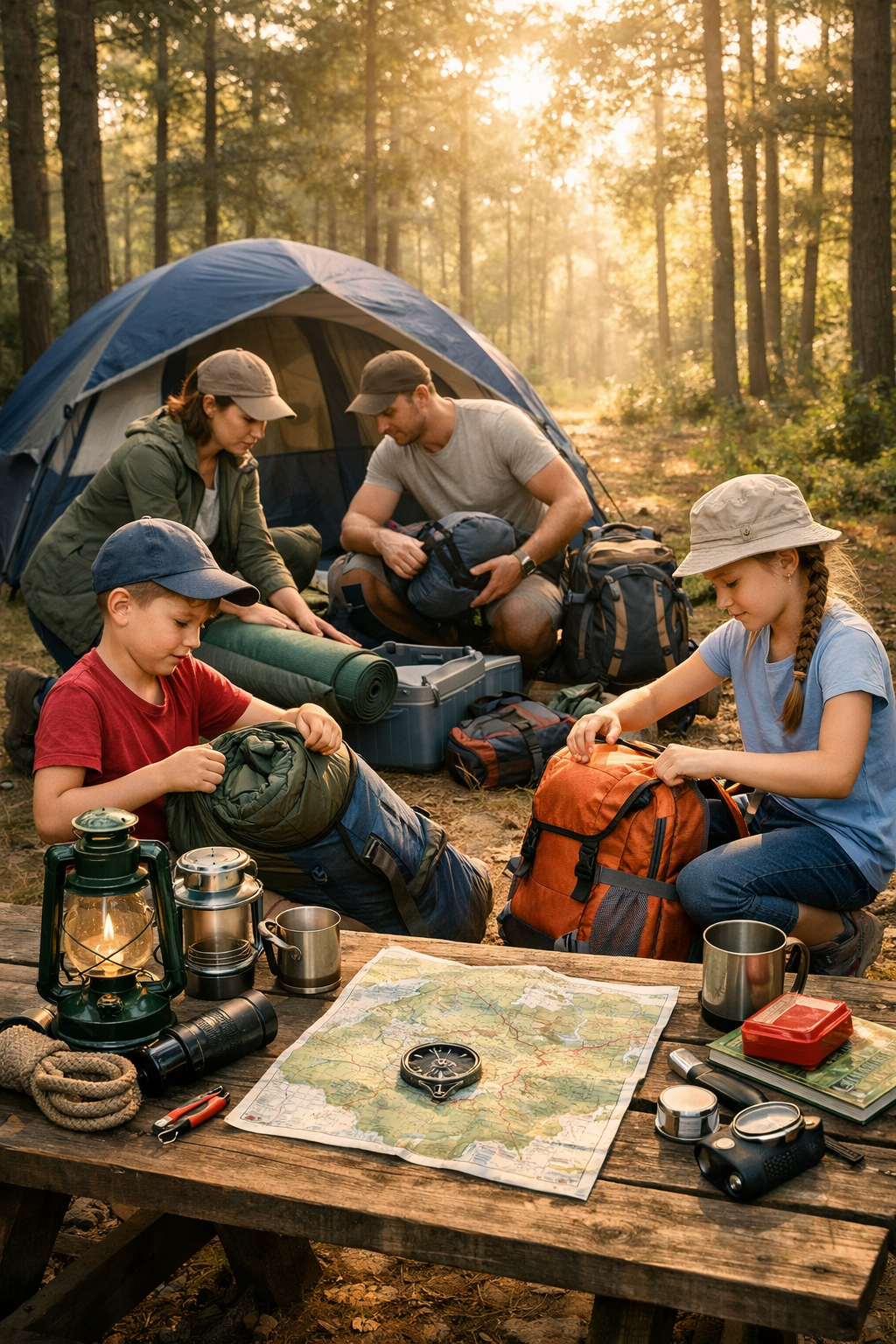
Thoughtful preparation can transform a family summer camp from stressful to enjoyable. While spontaneity is part of the fun, a basic level of planning helps avoid common challenges and ensures that the experience remains comfortable for everyone.
Weather conditions should always be considered before finalizing plans. Summer weather can vary widely depending on location, so checking forecasts and preparing appropriate clothing is essential. Lightweight layers, rain protection, and comfortable footwear can make a significant difference during outdoor activities.
Food planning is another important aspect of preparation. Simple meal planning helps avoid last-minute confusion and ensures that everyone has enough energy for the day’s activities. Many families prepare ingredients in advance or bring easy-to-cook meals that require minimal equipment.
Safety preparation also plays a crucial role. Basic first aid supplies, flashlights, and emergency contact plans should always be part of the camping checklist. Parents can also discuss simple outdoor safety guidelines with children so that everyone understands how to stay safe while exploring.
Equally important is maintaining flexibility. Even well-planned trips can encounter unexpected changes such as weather shifts or activity delays. A relaxed mindset allows families to adapt and enjoy the moment rather than worrying about perfect schedules.
When preparation is balanced with flexibility, a family summer camp becomes a smooth and enjoyable experience for everyone involved.
Creating Lasting Memories Through Camp Traditions
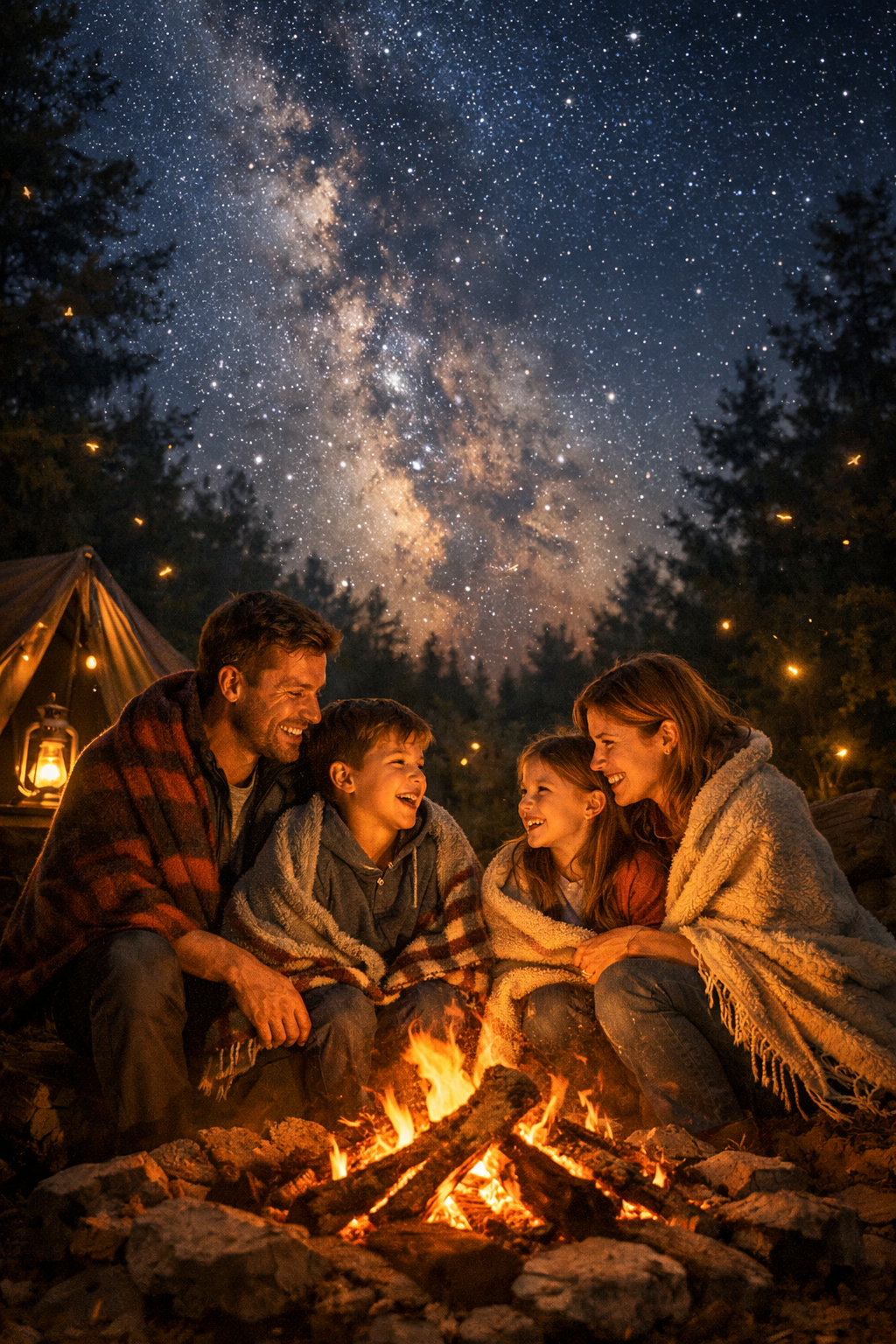
One of the most powerful aspects of a family summer camp is the opportunity to build traditions that return year after year. Traditions give children something to look forward to and strengthen the emotional connections within a family.
Some families create a tradition of writing in a camp journal each evening. In this journal, family members record the highlights of the day, funny moments, and new discoveries. Over time, this journal becomes a treasured record of shared experiences.
Photography can also become a meaningful tradition. Taking group photos at the same location each year helps capture how children grow and how family dynamics evolve over time.
Another tradition many families enjoy is a final-night celebration. On the last evening of camp, families might share their favorite memories from the trip, reflect on lessons learned, or plan ideas for the next summer adventure. These reflections help children understand the value of shared experiences and encourage them to participate more actively in future family trips.
Traditions transform a simple outdoor getaway into a meaningful family ritual that strengthens relationships and builds emotional connections across generations.
Tips for Keeping Kids Engaged and Excited
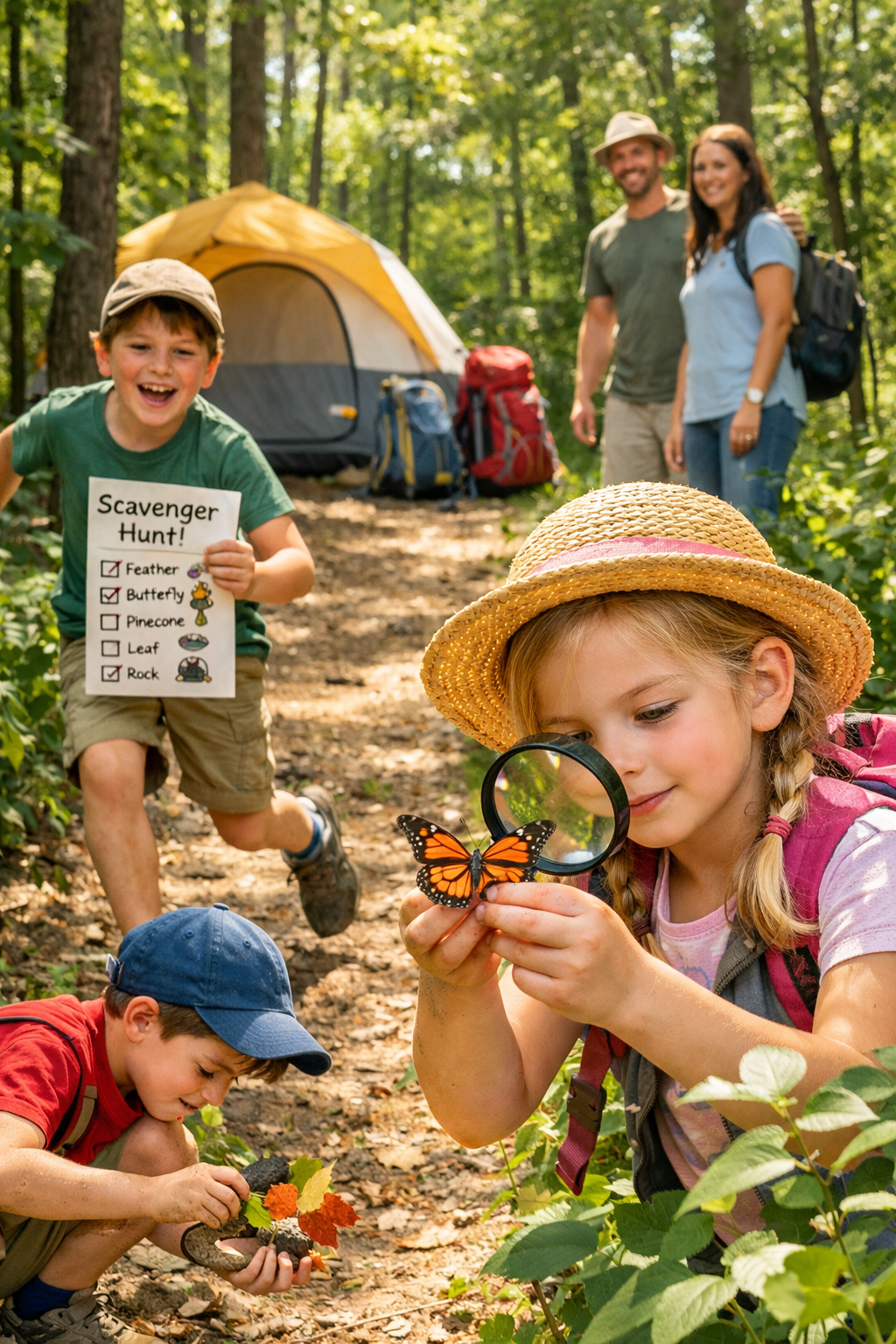
Children often bring the most energy and curiosity to a family summer camp, but keeping them engaged throughout the trip requires thoughtful interaction and encouragement.
The key is allowing children to participate in decision-making. When children help choose activities or suggest ideas for the day, they feel a stronger sense of ownership in the experience. This involvement naturally increases their excitement and engagement.
Exploration-based activities tend to work especially well with younger campers. Allowing children to investigate trails, observe wildlife, or search for interesting natural objects encourages curiosity and learning without feeling like structured lessons.
Parents can also encourage storytelling and imagination. Camp environments naturally spark creativity, and children often enjoy inventing stories about the forest, animals, or the stars above them.
Balancing activity with relaxation is equally important. Children sometimes need quiet time to rest, draw, read, or simply enjoy the peaceful surroundings. When the schedule includes both excitement and calm moments, the entire family remains energized and happy throughout the camping experience.
A well-balanced environment ensures that children leave the family summer camp feeling inspired rather than exhausted.
Frequently Asked Questions About Family Summer Camp
What is a family summer camp?
A family summer camp is an outdoor vacation experience where parents and children spend time together in nature while participating in recreational activities such as hiking, campfire cooking, storytelling, and games. Unlike traditional youth camps, family camps focus on shared experiences and bonding.
How do I plan a successful family summer camp?
Planning a successful family summer camp begins with choosing an appropriate location, preparing essential supplies, organizing simple outdoor activities, and maintaining flexibility. Clear communication among family members also helps ensure that everyone enjoys the experience.
What activities are best for a family summer camp?
The best activities are those that encourage teamwork and participation. Popular options include hiking, nature exploration, campfire storytelling, outdoor cooking, wildlife observation, and simple games that involve all family members.
Is a family summer camp suitable for young children?
Yes, a family summer camp can be enjoyable for children of all ages. Choosing a comfortable location, planning age-appropriate activities, and maintaining flexible schedules help ensure that younger children remain happy and engaged.
How long should a family summer camp last?
Many families start with a weekend trip lasting two or three days. As children become more comfortable with outdoor experiences, longer camping trips can be planned during future summers.
Conclusion
A thoughtfully planned family summer camp offers far more than a simple outdoor vacation. It creates an opportunity for families to step away from daily routines and reconnect through shared experiences in nature. Whether exploring forest trails, preparing meals together under the open sky, or laughing around a campfire at night, these moments build strong emotional bonds that last far beyond the summer season.
The beauty of a family summer camp lies in its simplicity. Meaningful experiences do not require elaborate destinations or expensive equipment. What truly matters is the time spent together, the spirit of exploration, and the willingness to create traditions that bring families closer year after year.
With careful preparation, engaging activities, and an open mindset, any family can design a summer camp experience that becomes a cherished memory. Over time, these adventures grow into traditions that children carry with them into adulthood, reminding them of the joy, connection, and discovery that began during a simple family summer camp.