Last Updated on February 27, 2026 by John Tim
Choosing the best hiking boots can feel overwhelming, especially when every brand promises comfort, durability, and all-weather performance. If you have ever finished a hike with sore feet, blisters, or aching ankles, you already know that the wrong footwear can ruin an otherwise beautiful adventure. On the other hand, the right pair can make rocky climbs feel stable, muddy trails manageable, and long distances surprisingly comfortable.
This guide is designed to help you confidently choose the best hiking boots for your specific type of hike. Whether you are planning relaxed forest walks, steep mountain ascents, multi-day backpacking trips, or unpredictable all-weather treks, understanding how boots differ in construction, support, and materials will allow you to make a smarter investment. The goal is not just to find a popular pair, but to find the one that truly matches your terrain, hiking style, and comfort needs.
Why the Right Hiking Boots Matter More Than You Think
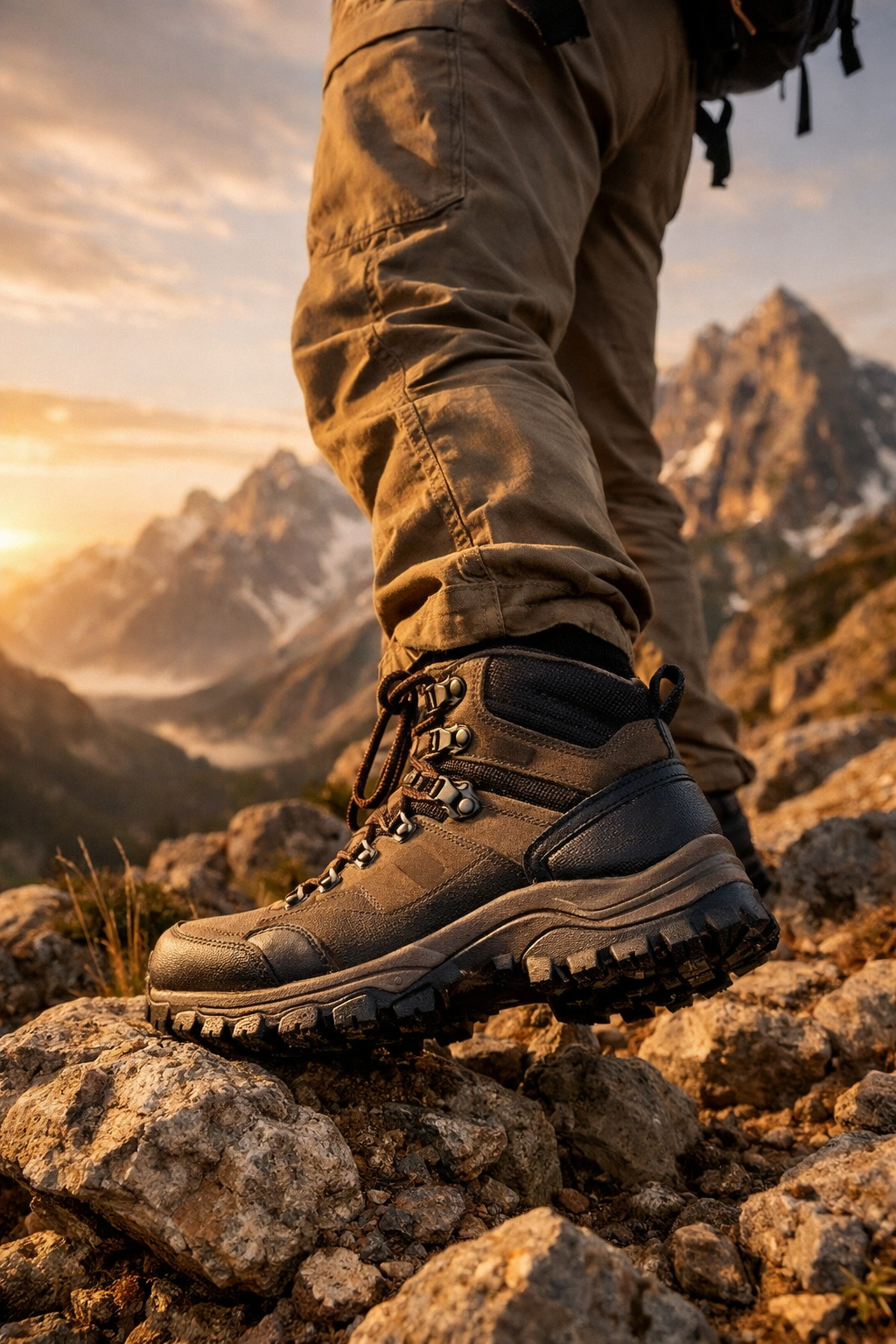
Hiking places repetitive stress on your feet, ankles, knees, and hips. Every step over rocks, roots, and uneven ground multiplies impact forces. The best hiking boots are designed to absorb shock, stabilize your ankle, protect your toes, and maintain traction on unstable surfaces.
A poorly fitted boot can cause friction that leads to blisters. Insufficient support can increase the risk of ankle twists. Inadequate grip can make wet rocks or loose gravel dangerous. Quality boots, however, are engineered with durable outsoles, cushioned midsoles, supportive heel counters, and protective toe caps that work together to reduce fatigue and improve stability.
Beyond protection, comfort plays a major role in performance. If your feet feel secure and supported, you naturally walk with better posture and balance. Over long distances, that difference becomes significant.
Understanding the Different Types of Hiking Boots
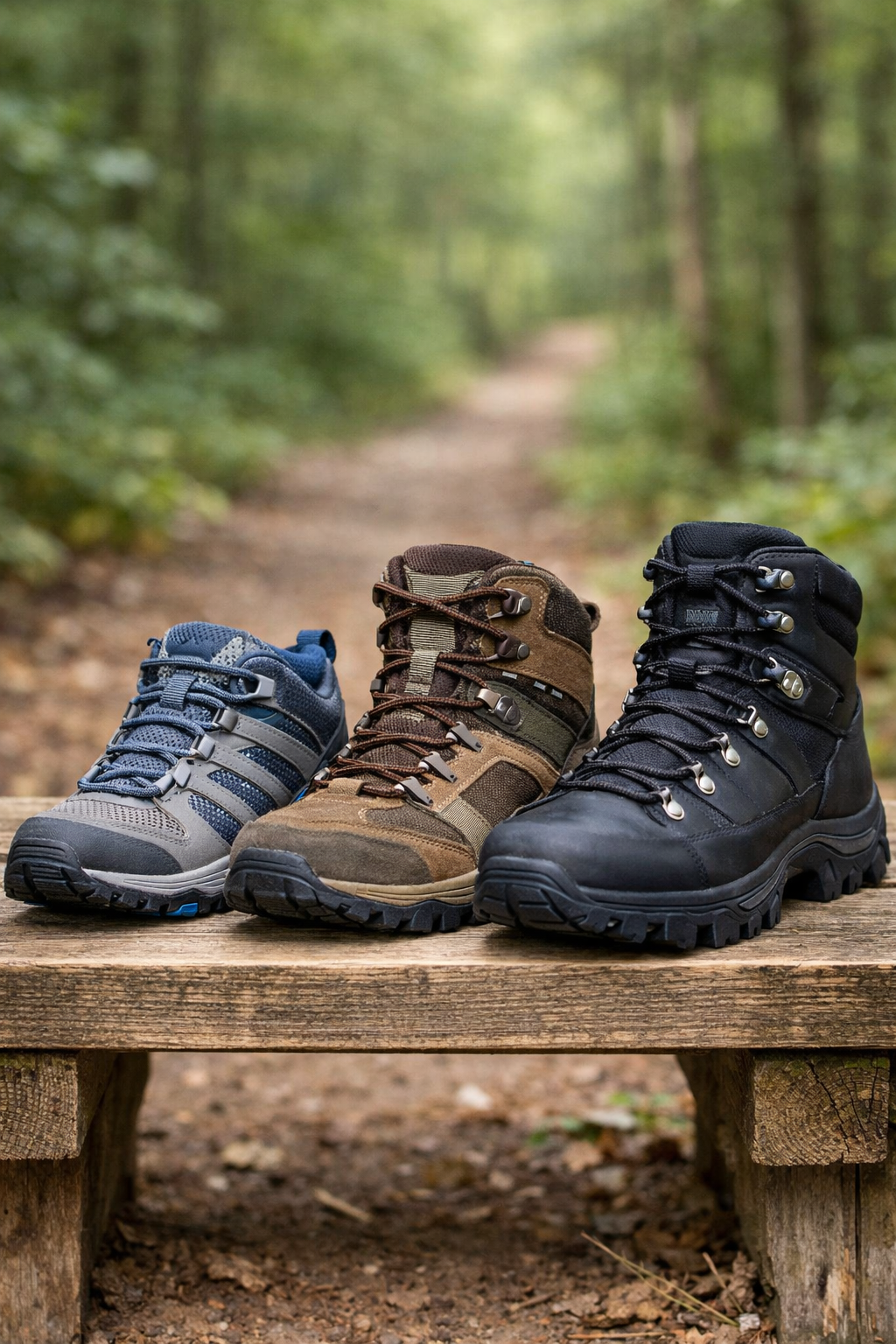
Not all hiking boots are built the same. The best hiking boots for a gentle nature trail are very different from those designed for rugged alpine terrain.
Lightweight hiking boots are ideal for day hikes and well-maintained trails. They typically use breathable mesh combined with synthetic overlays to keep weight low. These boots prioritize comfort and flexibility, making them suitable for hikers who value speed and agility over heavy-duty support.
Midweight hiking boots are often the most versatile option. They offer stronger ankle support, more structured midsoles, and improved durability. For hikers who carry moderate loads or explore uneven terrain regularly, this category often provides the best balance of comfort and protection.
Heavy-duty backpacking boots are designed for multi-day trips with heavier packs. These boots typically feature stiffer midsoles and thicker outsoles for stability under load. They are built to handle rocky, technical, and high-elevation environments where durability is essential.
Recognizing your hiking style helps narrow down which type will likely serve you best.
Key Features to Look for in the Best Hiking Boots
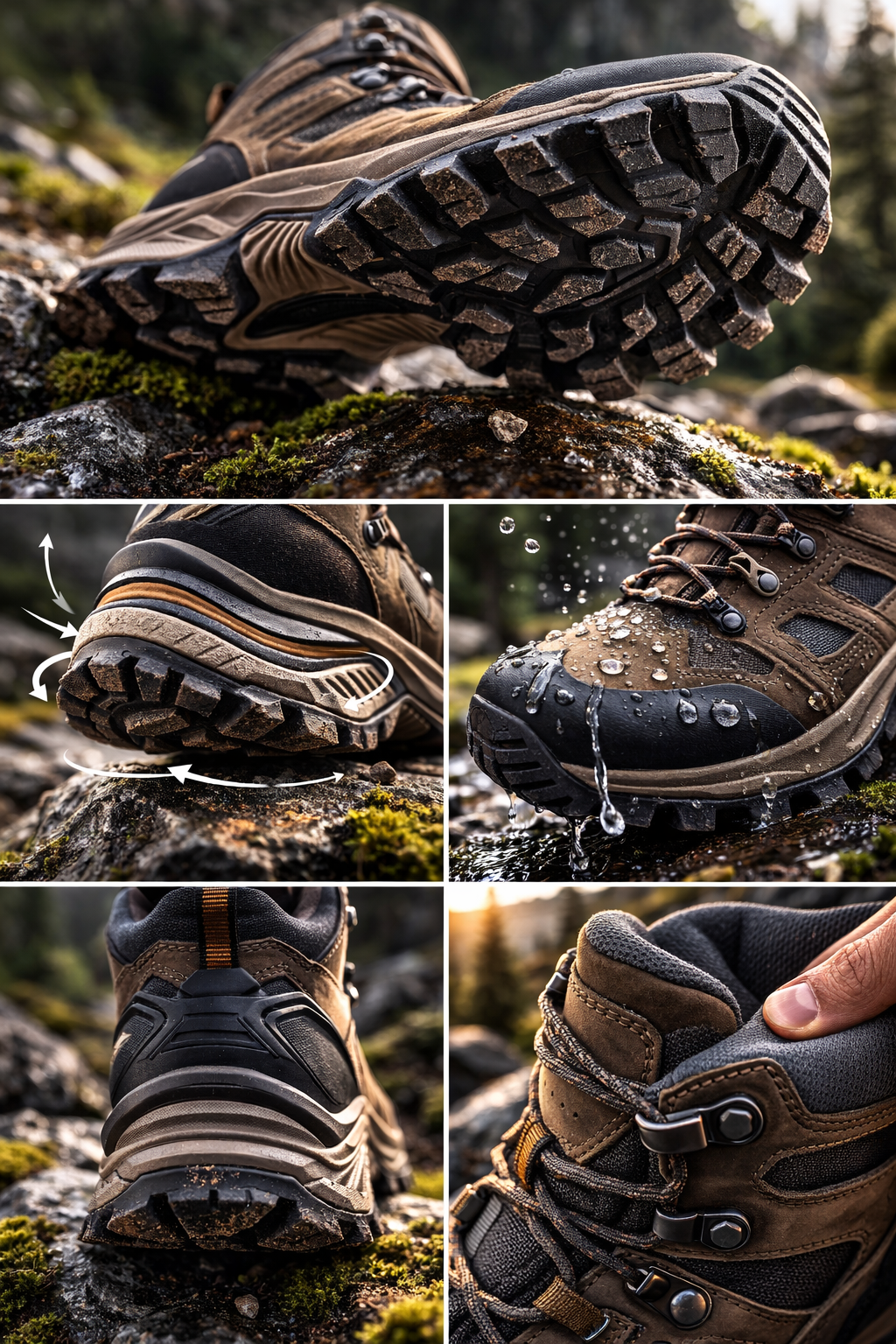
When comparing options, focus on construction details rather than marketing claims. Materials, fit, and sole design play a critical role in performance.
Upper materials determine breathability and durability. Leather offers long-term resilience and natural water resistance but can be heavier and require break-in time. Synthetic materials are lighter and dry faster, making them popular for warm-weather hiking.
Waterproof membranes are valuable in wet conditions. Many boots include integrated waterproof linings that help keep feet dry during rain or stream crossings. However, waterproofing can slightly reduce breathability, so climate matters when making this decision.
Midsoles influence comfort and shock absorption. Softer midsoles feel more cushioned but may provide less stability on uneven terrain. Firmer midsoles improve support when carrying heavier loads.
Outsoles affect traction. Deep lugs improve grip on loose soil and mud, while specialized rubber compounds enhance traction on wet rocks. For varied terrain, look for aggressive tread patterns with multidirectional grip.
Ankle height also matters. Higher collars provide more support but may restrict flexibility. Lower-cut designs offer greater mobility but less stabilization.
Understanding how these features work together allows you to identify the best hiking boots for your specific needs rather than simply choosing the most popular model.
Best Hiking Boots for Day Hikes and Light Trails
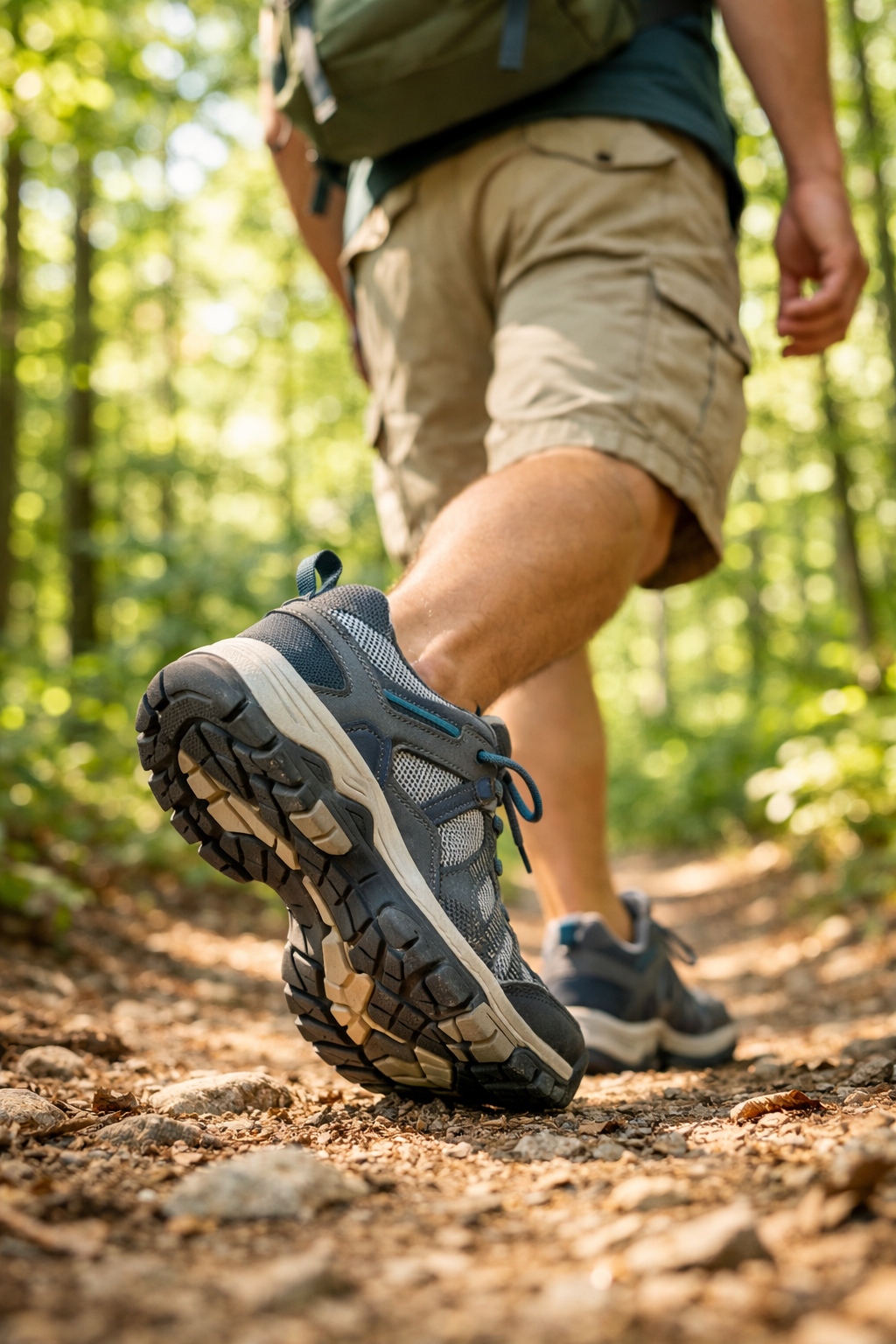
For casual hikers and weekend explorers, comfort and lightness are often top priorities. On maintained trails with moderate elevation changes, you do not necessarily need stiff, heavy boots.
The best hiking boots for day hikes usually feature lightweight synthetic uppers, flexible midsoles, and breathable linings. These boots allow natural foot movement and reduce fatigue during shorter outings. Cushioning plays a larger role here, as flexibility enhances walking comfort over smooth paths.
Because loads are typically lighter, extreme ankle support may not be necessary. However, proper fit remains essential. A secure heel and adequate toe room help prevent blisters and discomfort even on short hikes.
If most of your adventures involve forest paths, local parks, or rolling hills, focusing on lightweight comfort will likely give you the most enjoyable experience.
Best Hiking Boots for Mountain and Technical Terrain
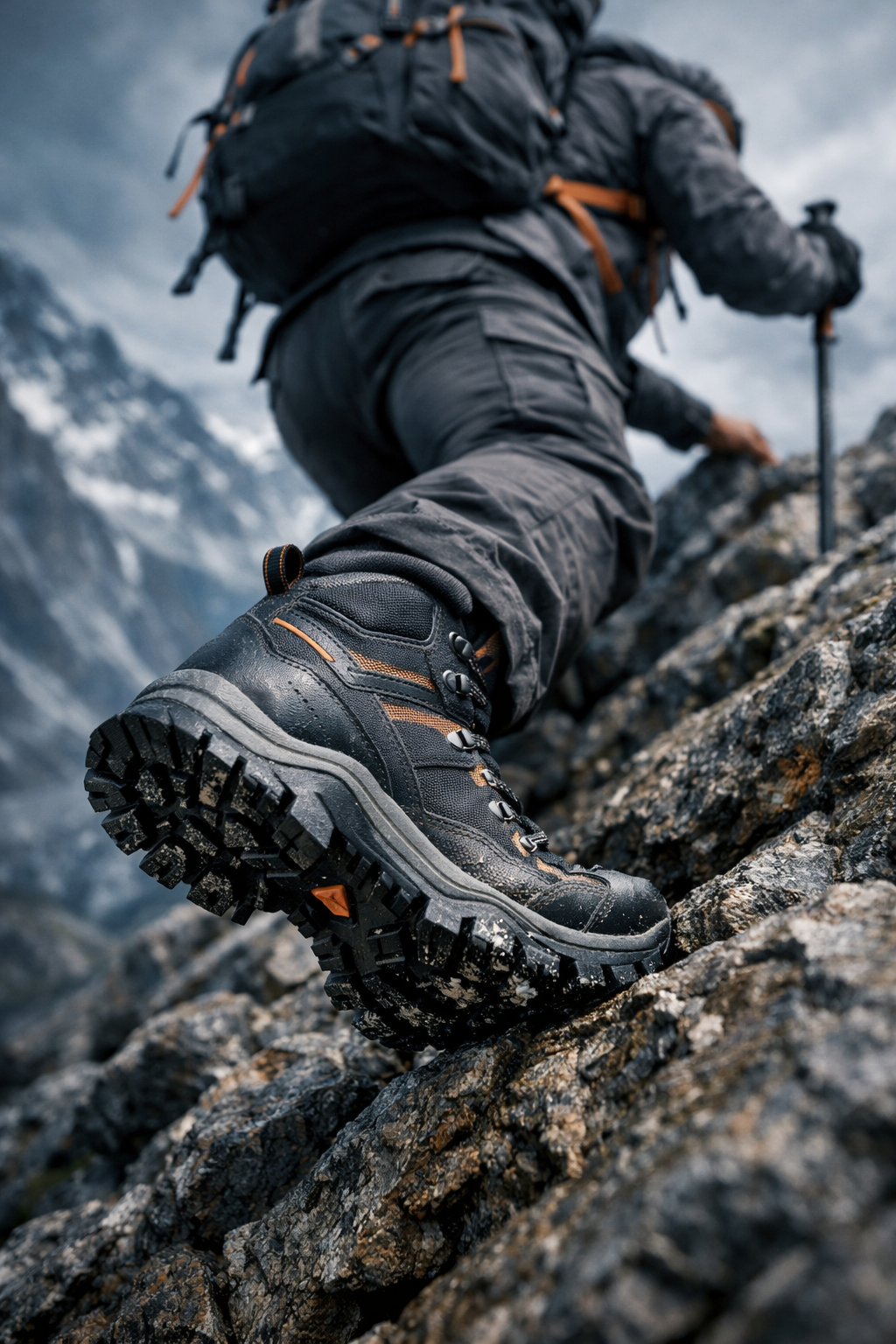
Mountain hiking introduces steeper inclines, rocky surfaces, and unstable ground. In these environments, stability becomes far more important than minimal weight.
The best hiking boots for technical terrain typically include stiffer midsoles and reinforced toe protection. A firm structure helps prevent foot fatigue when stepping on sharp rocks or uneven surfaces. Deep, aggressive outsoles enhance grip during climbs and descents.
Ankle support is especially important in mountainous areas. Higher collars and strong lacing systems help reduce the risk of ankle rolling. This added support provides confidence when navigating loose gravel or narrow trails along slopes.
Durability also becomes critical. Abrasion-resistant materials protect against rock scrapes and long-term wear. In harsher environments, investing in quality construction can significantly extend the lifespan of your boots.
Best Hiking Boots for Backpacking and Multi-Day Trips
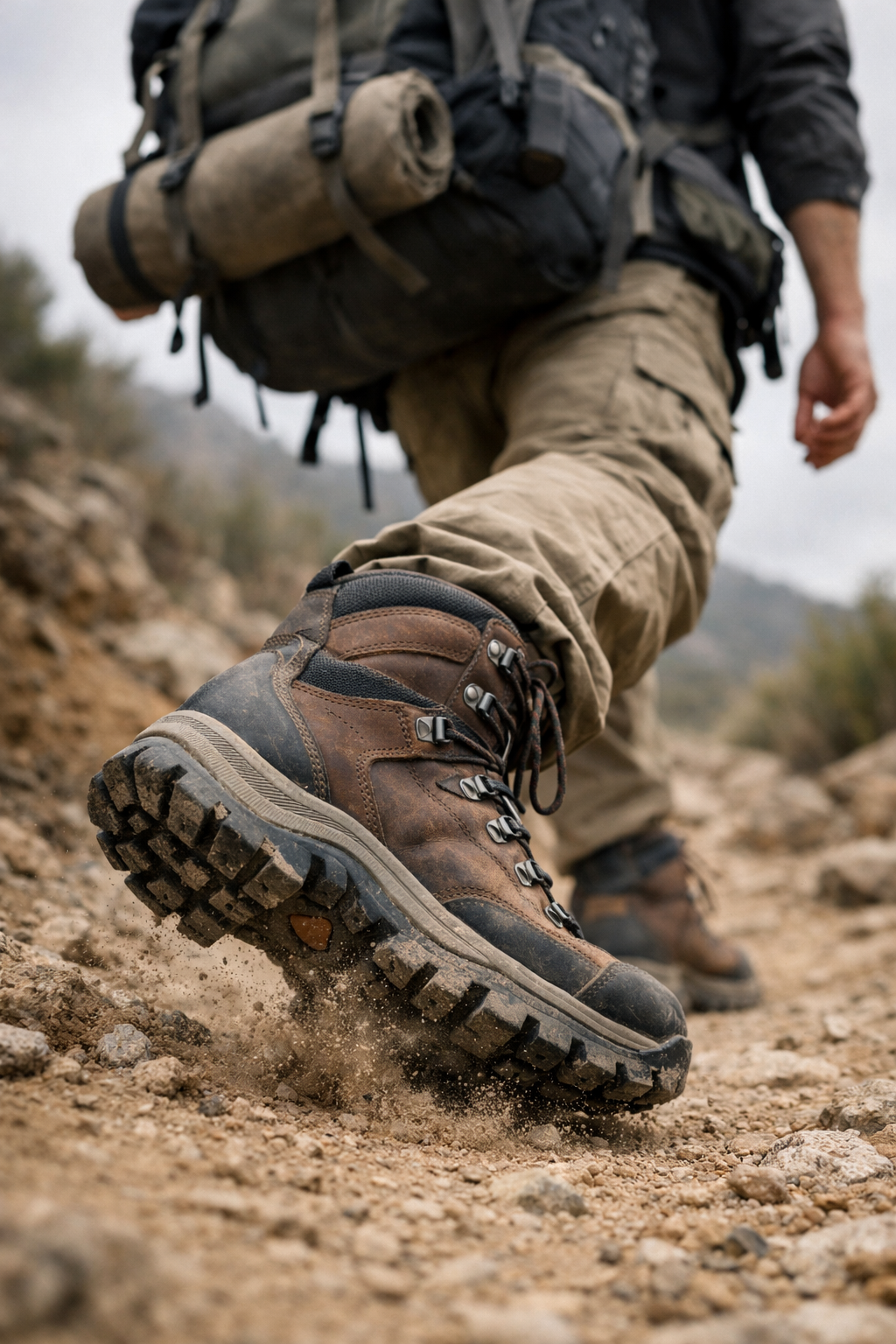
Backpacking places unique demands on footwear. Carrying a heavy pack increases pressure on your feet and ankles, making stability essential.
The best hiking boots for multi-day treks are designed to handle sustained stress. They usually have stiffer midsoles to prevent foot strain under load. Reinforced heel counters and supportive shanks add structure, reducing fatigue over long distances.
Comfort remains important, but cushioning alone is not enough. Support and durability take priority. Waterproofing can also be a valuable feature for extended trips where drying time may be limited.
Because backpacking boots are typically heavier, proper fit becomes even more crucial. A well-fitted boot will feel secure without creating pressure points, even after hours of continuous walking.
How to Ensure the Perfect Fit
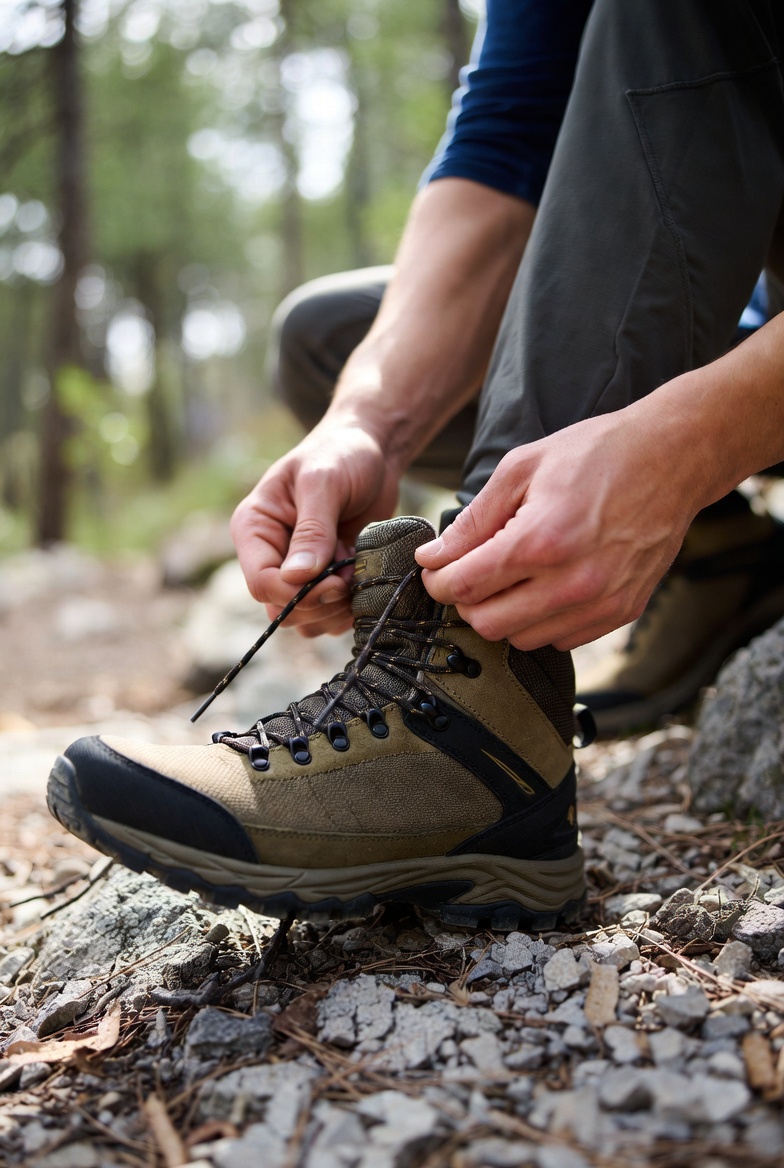
Even the best hiking boots will fail if they do not fit properly. Fit is personal and varies based on foot shape, arch type, and sock thickness.
Your toes should have enough space to move without hitting the front of the boot during downhill walking. The heel should remain secure to prevent friction. The midfoot should feel snug but not tight.
Trying boots later in the day can help, as feet naturally swell after activity. Wearing the same socks you plan to hike in ensures realistic fit testing. Walking on an incline surface while testing boots can also reveal potential pressure points.
Remember that some boots require a short break-in period, especially leather models. However, modern designs often prioritize comfort from the first wear.
Weather Considerations and Climate Factors
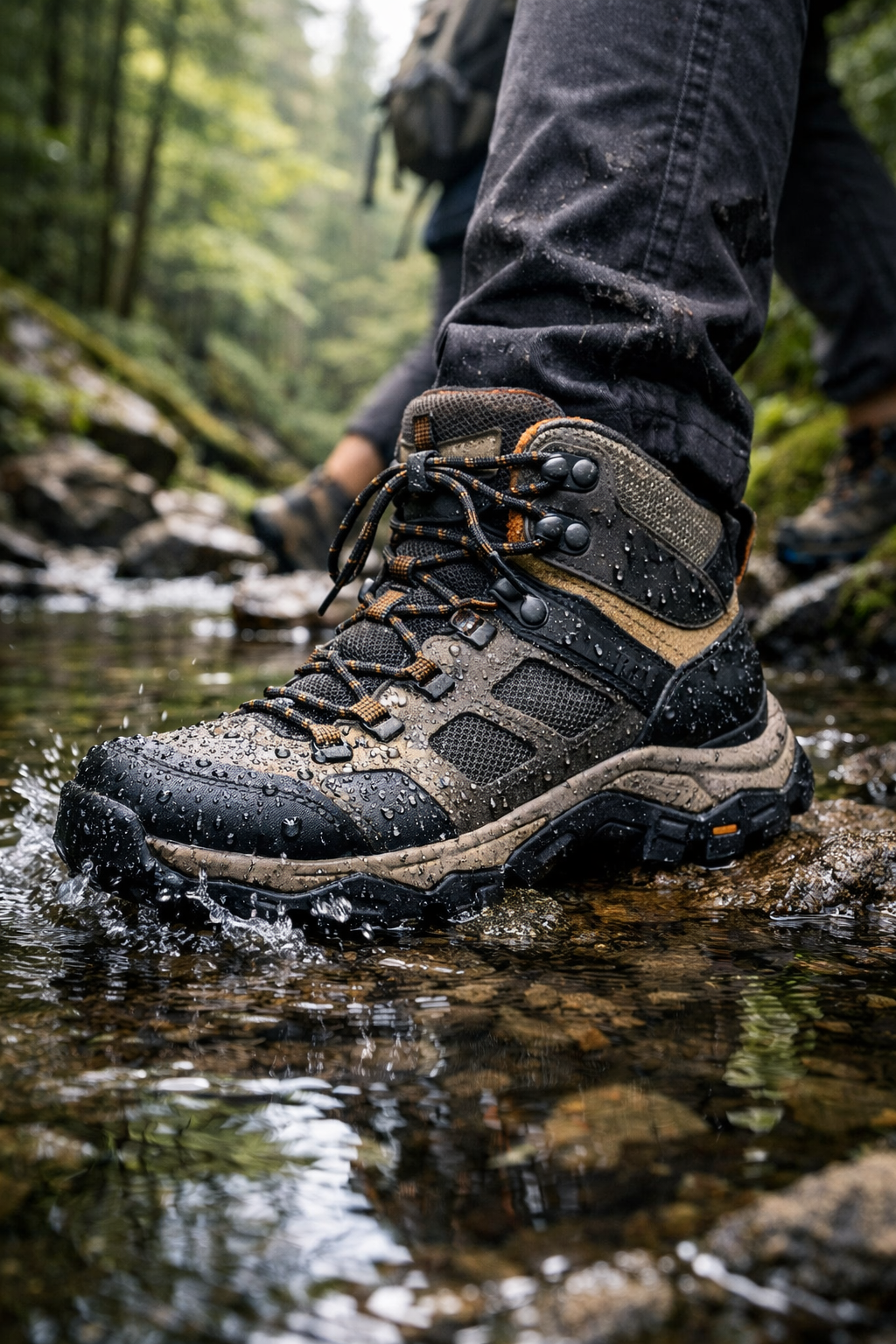
Climate plays a major role in selecting the best hiking boots. In hot, dry conditions, breathability is essential to prevent overheating and moisture buildup. Lightweight mesh panels and moisture-wicking linings can help keep feet cool.
In colder or wetter environments, insulation and waterproofing become more important. Wet feet not only cause discomfort but can also increase the risk of blisters. Waterproof boots are especially useful in rainy regions or on trails with frequent water crossings.
For snow or extremely cold conditions, specialized winter hiking boots provide insulation and improved grip. While these are not necessary for most hikers, they are invaluable in harsh climates.
Durability, Maintenance, and Longevity
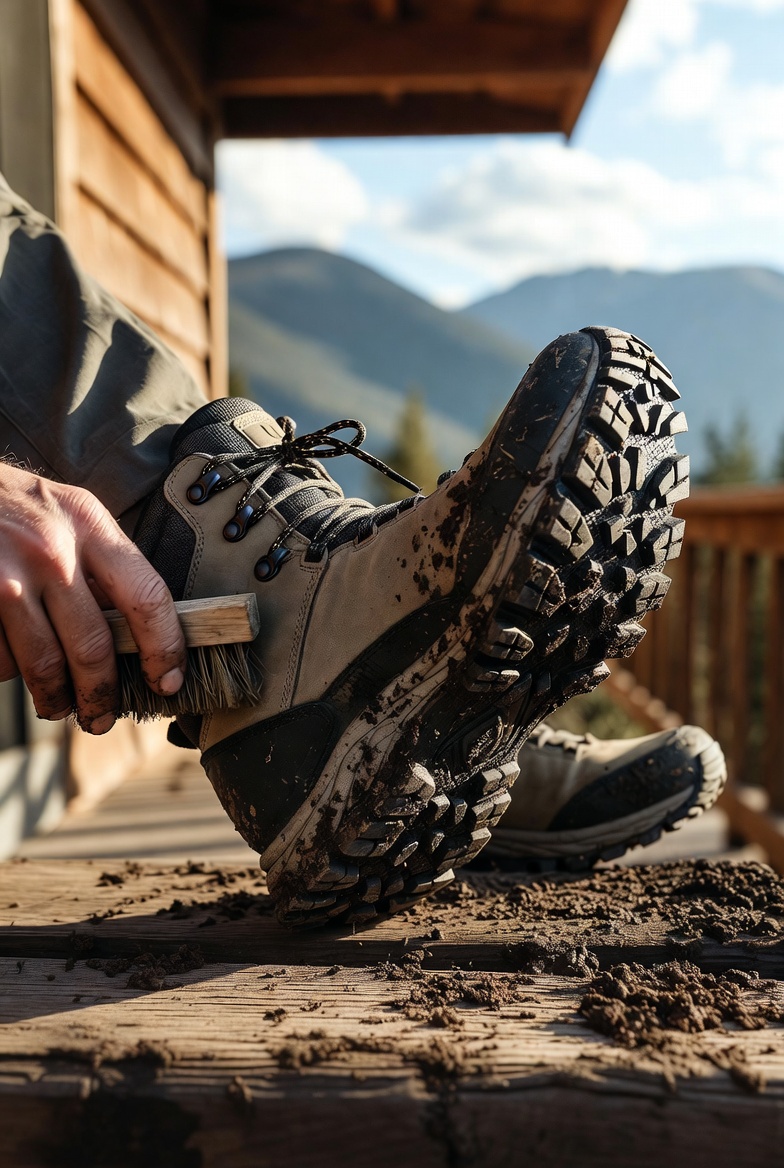
High-quality hiking boots are an investment. With proper care, they can last for years of consistent use.
Cleaning mud and debris after each hike prevents material breakdown. Allowing boots to dry naturally, away from direct heat, helps preserve adhesives and materials. Conditioning leather uppers periodically maintains flexibility and water resistance.
Replacing insoles when they wear out can extend comfort without requiring a full boot replacement. Monitoring outsole wear is also important, as reduced tread depth can affect traction and safety.
By maintaining your boots properly, you ensure that they continue to perform reliably on every trail.
Frequently Asked Questions
What are the best hiking boots for beginners?
The best hiking boots for beginners are typically lightweight to midweight models that offer comfort, moderate ankle support, and reliable traction. Beginners often benefit from versatile boots suitable for varied terrain rather than highly specialized designs.
Should hiking boots be tight or loose?
Hiking boots should feel snug but not tight. Your heel should remain secure while your toes have enough room to move slightly. Tight boots can restrict circulation, while loose boots increase friction and blister risk.
How long do hiking boots usually last?
The lifespan depends on usage, terrain, and maintenance. For regular hikers, boots may last several hundred miles. Proper care significantly extends durability, especially with high-quality materials.
Are waterproof hiking boots worth it?
Waterproof hiking boots are worth considering if you frequently hike in wet or muddy conditions. However, in hot climates, breathable non-waterproof boots may offer better overall comfort.
Can I use hiking boots for everyday walking?
Yes, many hiking boots are comfortable enough for daily use. However, heavier backpacking boots may feel stiff for casual wear. Lightweight models are generally more suitable for everyday walking.
Conclusion
Finding the best hiking boots is not about chasing trends or choosing the most expensive option. It is about understanding your hiking habits, terrain preferences, climate conditions, and personal comfort needs. From lightweight day-hike designs to supportive backpacking models, each category serves a specific purpose.
When you prioritize fit, stability, traction, and durability, you give yourself the foundation for safer and more enjoyable adventures. The right boots protect your feet, reduce fatigue, and build confidence on challenging trails. With thoughtful selection and proper care, a great pair of hiking boots becomes more than gear. It becomes a trusted companion on every journey, carrying you comfortably from your first step to the summit and back again.