Last Updated on March 5, 2026 by John Tim
Backpacking is one of the most rewarding ways to explore nature. Whether you are trekking through mountain trails, hiking deep forest routes, or embarking on a multi-day wilderness adventure, your shelter plays a critical role in your safety and comfort. Choosing the right tent can make the difference between a restful night under the stars and a frustrating outdoor experience.
Many beginner and even experienced hikers struggle with selecting the right tent because the market is filled with countless designs, materials, and technical specifications. Lightweight models promise easy portability, while ultralight tents push the limits of minimalism. Meanwhile, durability, weather protection, and interior comfort remain essential for real-world backpacking conditions.
This backpacking tent guide is designed to help you understand everything you need to know before buying a tent in 2025. Instead of focusing on brand hype or marketing claims, this guide explains how backpacking tents actually perform on the trail. By the end, you will understand how to choose the right size, weight, materials, and features for your specific adventure style.
Whether you are preparing for your first overnight hike or upgrading your gear for longer expeditions, this guide will help you make a confident and well-informed decision.
Understanding Backpacking Tent Types
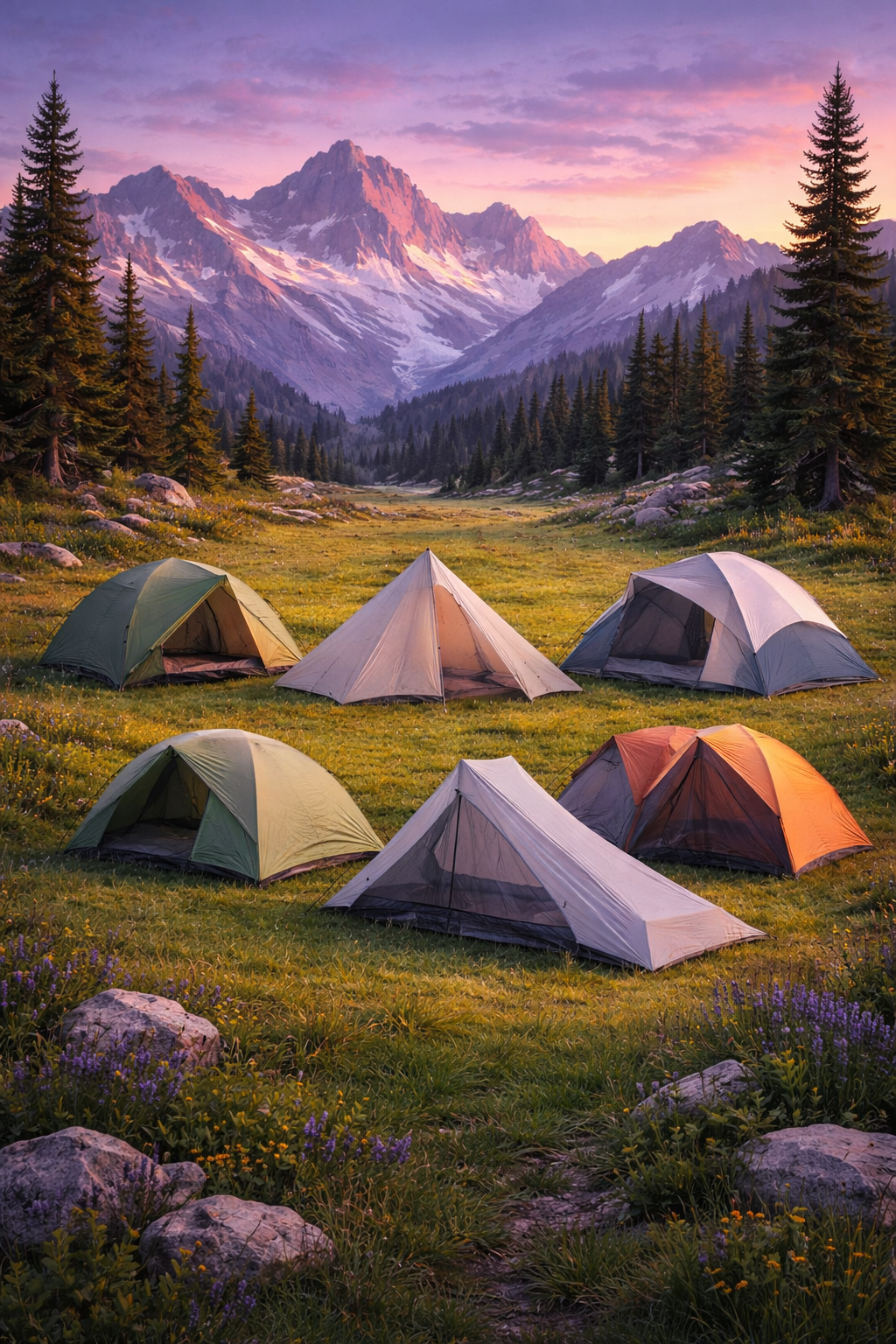
Before diving into materials and technical specifications, it is important to understand the main types of backpacking tents available today. Each style is designed for different hiking preferences and environments.
Freestanding tents remain one of the most popular options for backpackers. These tents rely on a pole structure that allows them to stand on their own without needing stakes for basic structure. Freestanding designs are especially useful on rocky or hard ground where staking may be difficult. They are typically easy to pitch and beginner-friendly, which makes them a common choice for hikers new to overnight trips.
Semi-freestanding tents represent a middle ground between stability and weight savings. These tents usually require a few stakes to maintain their full shape, but they still provide solid structural support through poles. Many experienced hikers prefer semi-freestanding models because they strike a balance between packability and durability.
Non-freestanding tents, sometimes called trekking pole tents, rely on stakes and trekking poles instead of traditional pole systems. These tents are often favored by ultralight backpackers because they significantly reduce carried weight. However, they usually require more careful setup and may be less forgiving for beginners.
Seasonal ratings also play an important role in tent selection. Three-season tents are designed for spring, summer, and fall conditions. They provide ventilation and moderate weather protection while remaining lightweight. Four-season tents are built for extreme environments such as winter storms and high-altitude expeditions. While extremely durable, they are often heavier and less ventilated.
Understanding these tent categories helps narrow down your options before examining deeper technical details.
Key Features That Define a Quality Backpacking Tent
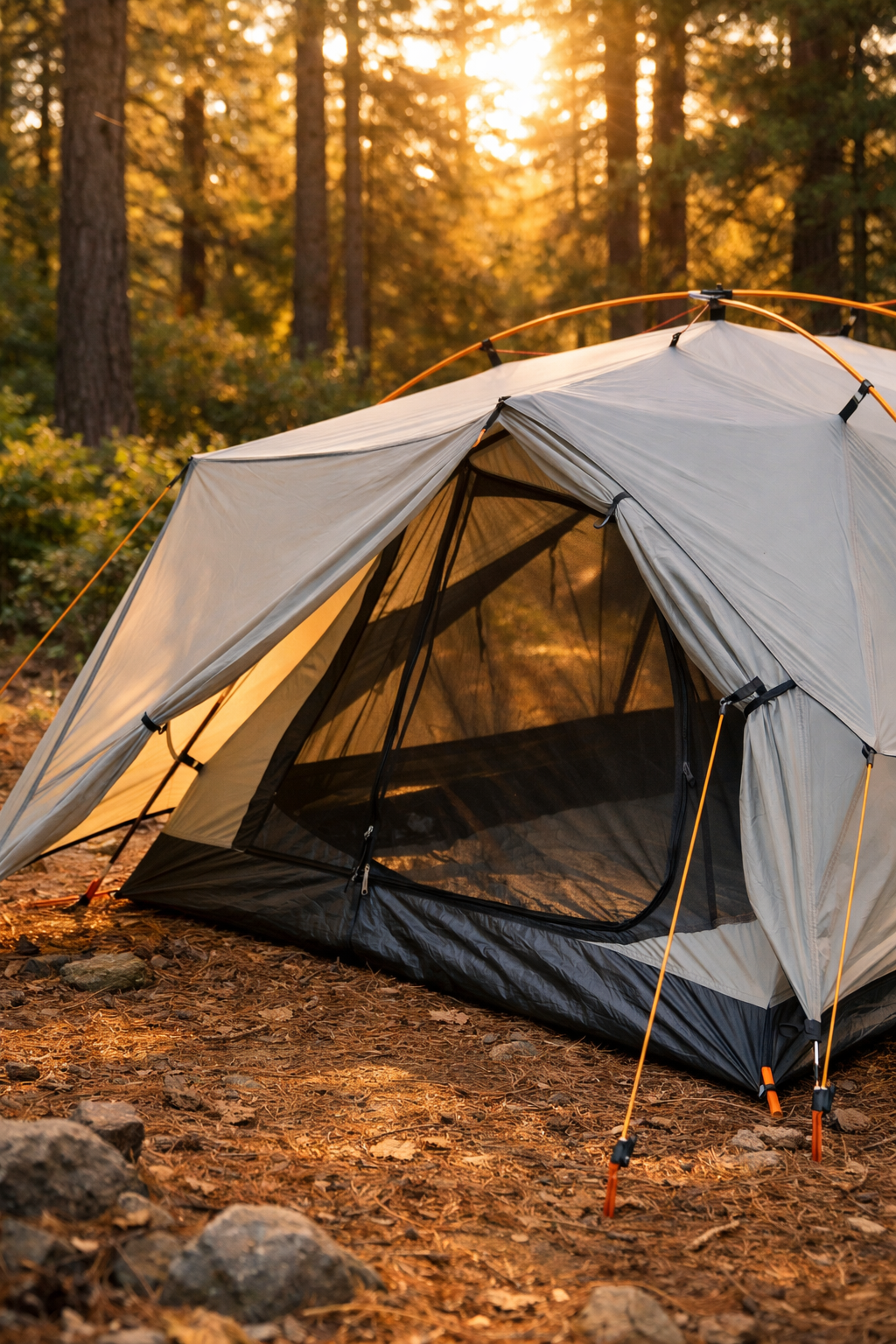
When evaluating any backpacking shelter, several core features determine how well it performs in the field. Weight, weather resistance, and usability all contribute to the overall effectiveness of a tent.
Weight is often the first consideration for backpackers. Because every ounce matters when hiking long distances, lightweight gear can significantly reduce fatigue. However, reducing weight too aggressively can compromise durability and comfort. The best backpacking tents achieve a balance between portability and reliability.
Weather protection is another essential factor. A well-designed tent should handle wind, rain, and changing temperatures without allowing moisture to enter the sleeping area. This protection usually comes from a combination of waterproof fabrics, seam construction, and rainfly coverage.
Interior space also matters more than many hikers initially realize. While backpacking tents are designed to be compact, cramped sleeping quarters can affect rest quality during multi-day trips. Factors such as peak height, floor area, and vestibule space contribute to overall comfort.
Ventilation is equally important. Without proper airflow, condensation can accumulate inside the tent, especially in humid environments. High-quality backpacking tents include mesh panels, adjustable vents, and thoughtful rainfly designs that reduce moisture buildup while maintaining protection.
Ease of setup should never be overlooked. After a long day of hiking, pitching a complicated shelter in fading daylight can be frustrating. Modern tents often feature color-coded poles and intuitive attachment systems that simplify setup in challenging conditions.
These elements together determine whether a tent performs well in real wilderness scenarios.
Materials and Construction Explained
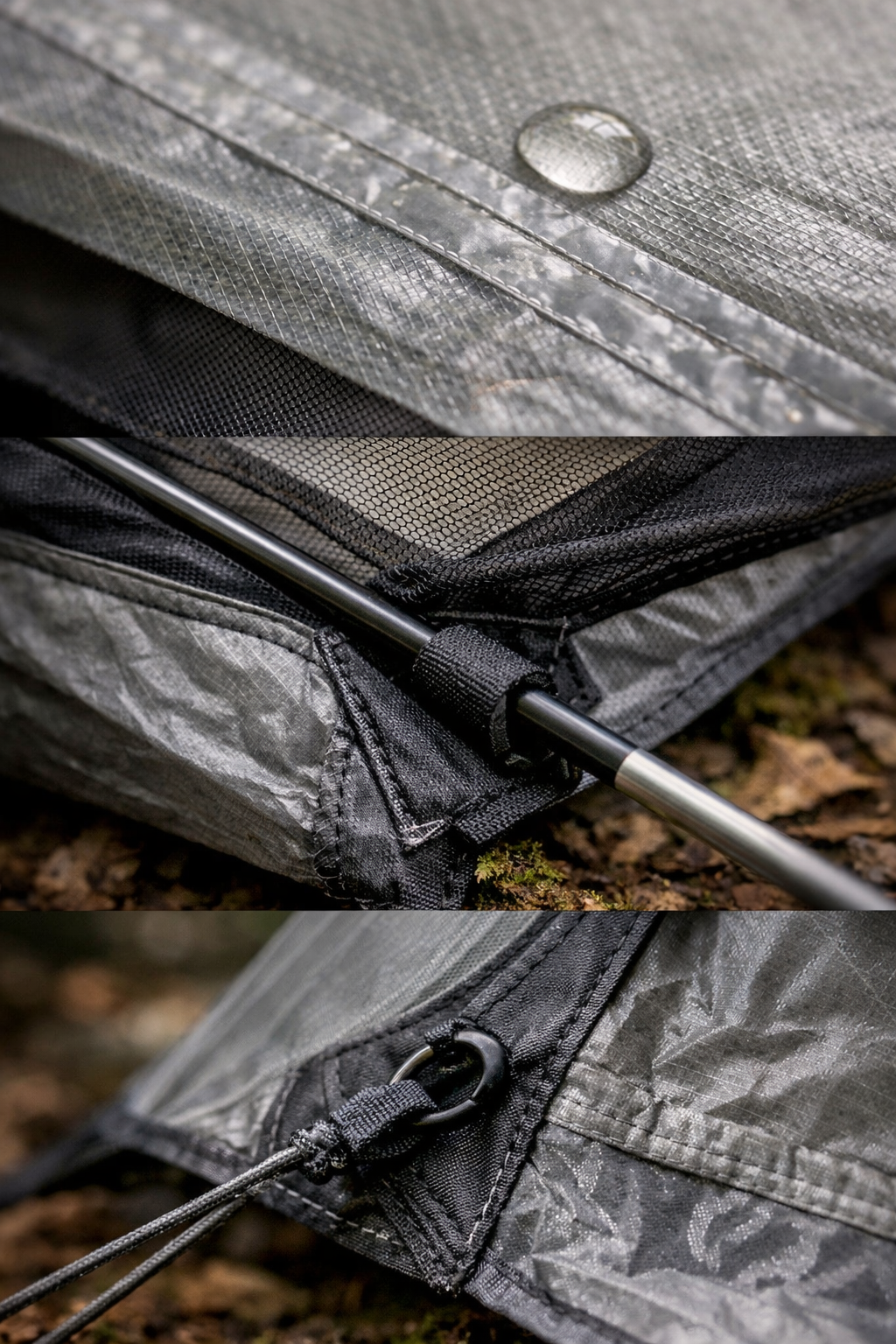
The materials used in tent construction strongly influence weight, durability, and weather resistance. Understanding these materials helps hikers make informed choices when comparing gear.
Tent fabrics are typically made from synthetic materials such as nylon or polyester. Nylon is widely used because it offers an excellent strength-to-weight ratio. Many lightweight backpacking tents rely on ripstop nylon, which includes reinforced threads that prevent small tears from spreading. Polyester, while slightly heavier, tends to absorb less moisture and maintain its shape in wet conditions.
Waterproof coatings play a critical role in protecting against rain. These coatings are applied to tent fabrics to prevent water penetration. While exact specifications vary across manufacturers, higher waterproof ratings generally indicate better resistance to sustained rainfall.
Tent poles are commonly made from aluminum alloys, which provide a strong yet lightweight structure. Aluminum poles are known for their durability and ability to withstand wind stress. Some ultralight tents use carbon fiber poles, which reduce weight but may be more fragile under extreme pressure.
The tent floor often includes thicker material than the canopy because it must withstand direct contact with the ground. Many hikers use a footprint or groundsheet to extend the lifespan of the tent floor and provide additional moisture protection.
Seam construction also plays an important role in weather resistance. Properly sealed seams prevent water from entering through stitching holes. High-quality tents often include factory seam sealing to ensure consistent waterproof performance.
When these materials are combined thoughtfully, the result is a shelter that balances strength, protection, and portability.
How to Choose the Right Backpacking Tent for Your Trips
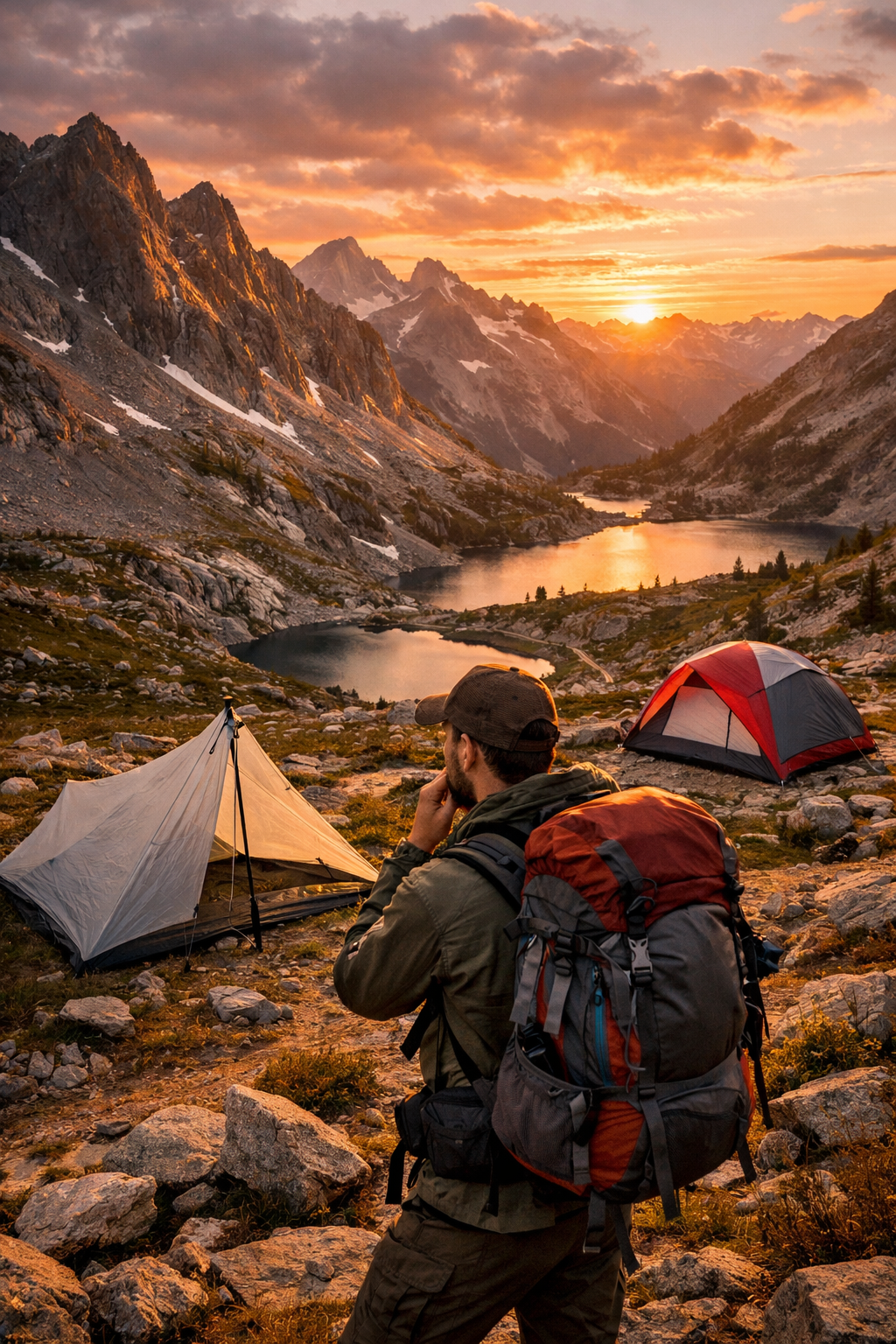
Selecting the right tent requires considering how and where you plan to use it. A tent that works perfectly for weekend summer trips may not perform well during alpine or long-distance hikes.
Trip length influences many tent decisions. For short overnight hikes, slightly heavier tents may still be comfortable to carry. However, multi-day treks often benefit from lighter gear that reduces cumulative strain on the body.
Weather conditions also play a major role. Backpackers traveling in rainy or windy regions should prioritize strong rainflies and stable pole structures. Those hiking in warmer climates may prefer tents with greater ventilation and larger mesh panels.
Group size is another practical factor. Solo hikers typically choose compact one-person tents to minimize weight. Two-person tents are often preferred even by solo backpackers because they provide additional space for gear and movement.
Pack size compatibility should also be considered. A tent that packs efficiently helps maintain better load balance inside a backpack. Many modern backpacking tents are designed with compressible components that fit easily into standard backpack compartments.
Ease of maintenance is another factor that becomes important over time. Durable tents with replaceable parts and sturdy materials often last longer and perform more reliably after repeated use.
By evaluating these practical considerations, hikers can select a tent that supports their specific adventure style.
Backpacking Tent Setup and Trail Performance
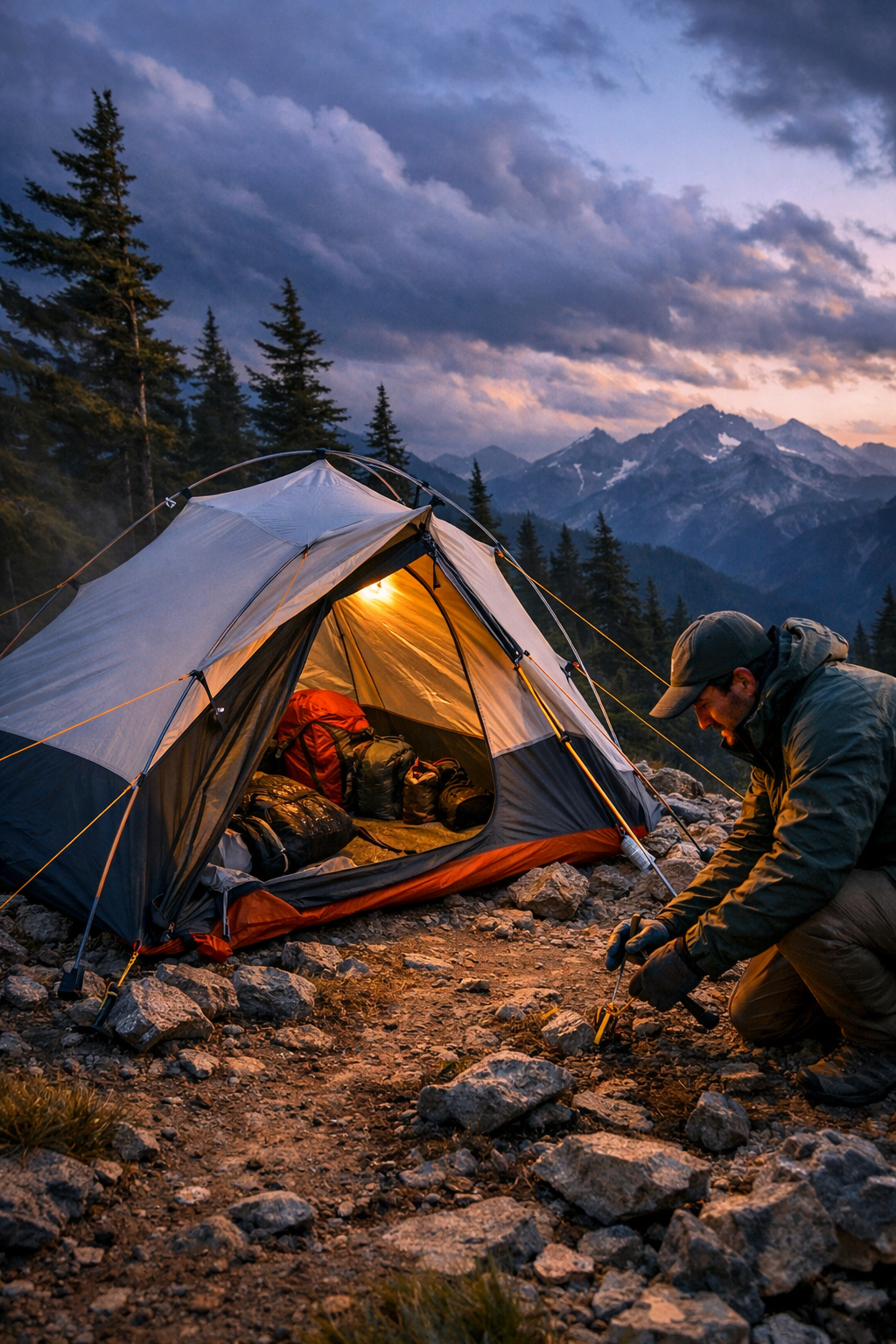
Even the best tent on paper must perform well in real outdoor conditions. Understanding how tents behave on the trail can help hikers prepare for a smoother camping experience.
Pitching location greatly affects comfort and safety. Choosing level ground reduces stress on tent poles and prevents sliding during the night. Avoiding low areas also reduces the risk of water pooling around the tent during heavy rain.
Wind exposure should be considered when selecting a campsite. Positioning the tent behind natural wind barriers such as trees or rocks can improve stability. Many tents also perform better when oriented so the narrow end faces the wind.
Condensation management becomes especially important in humid environments. Opening vents and maintaining airflow can reduce moisture buildup inside the shelter. Small adjustments in campsite placement can also improve ventilation.
Packing the tent properly during the morning is equally important. Allowing the tent to dry whenever possible helps prevent mold growth and fabric degradation. Many experienced backpackers take a few extra minutes to air out their tents before continuing the hike.
Over time, familiarity with tent setup and campsite selection becomes second nature, allowing hikers to focus more on enjoying the wilderness.
FAQ: Backpacking Tent Guide
What size backpacking tent should I choose?
Most solo hikers use one-person tents for weight savings, but many prefer two-person tents for added comfort and gear storage. The best choice depends on your priorities between space and pack weight.
How heavy should a backpacking tent be?
Many modern backpacking tents weigh between 1 and 3 kilograms depending on size and materials. Ultralight models can be significantly lighter but may sacrifice durability or interior space.
Are ultralight tents worth it for beginners?
Ultralight tents can be excellent for experienced hikers who prioritize minimal pack weight. Beginners often benefit from slightly heavier tents that offer easier setup and stronger weather protection.
Do I need a footprint for my backpacking tent?
A footprint is not always required, but it helps protect the tent floor from abrasion and moisture. Many backpackers use one to extend the lifespan of their shelter.
How long should a backpacking tent last?
With proper care and maintenance, a quality tent can last many years of regular use. Longevity depends on materials, weather exposure, and how well the tent is stored between trips.
Can one tent work for all backpacking trips?
While versatile three-season tents cover most hiking conditions, extreme winter or high-altitude environments often require specialized shelters designed for severe weather.
Conclusion
A reliable shelter is one of the most important pieces of equipment any backpacker carries. The right tent protects you from unpredictable weather, provides a comfortable place to rest, and ultimately supports the success of your outdoor adventures.
This backpacking tent guide has explored the essential factors that determine how well a tent performs on the trail. Understanding tent types, evaluating key features, and learning about materials can dramatically improve your ability to choose the right shelter. Equally important is considering how your tent will perform during real camping situations, from campsite selection to daily maintenance.
In 2025, backpacking tent technology continues to evolve with lighter materials, improved weather protection, and smarter design features. However, the best tent is not simply the lightest or the most expensive. It is the one that fits your hiking style, the environments you explore, and the level of comfort you need after a long day on the trail.
By approaching your decision thoughtfully and focusing on real-world performance rather than marketing claims, you can select a tent that becomes a trusted companion on countless adventures. With the right shelter packed in your backpack, the wilderness becomes not only accessible but deeply enjoyable.