Last Updated on March 6, 2026 by John Tim
Backpacking is one of the most rewarding ways to experience the outdoors. Whether you are exploring mountain trails, hiking through forests, or traveling across remote landscapes, backpacking allows you to connect with nature in a deeply personal way. However, the success of any backpacking trip depends heavily on preparation. Packing the right gear can make the difference between a comfortable adventure and a difficult experience.
Many beginners assume backpacking simply means carrying a bag and heading into the wilderness. In reality, experienced hikers understand that a carefully planned backpacking essentials list is critical. Every item in your backpack should serve a clear purpose, help ensure safety, or improve comfort during the journey.
The challenge is finding the right balance. Carrying too much weight can slow you down and cause fatigue, while packing too little may leave you unprepared for weather changes, navigation challenges, or unexpected situations. The goal of a well-prepared backpacking setup is to include the most important gear while keeping the pack lightweight and efficient.
This guide explores the must-have backpacking essentials packing list that experienced hikers rely on. By understanding the role of each type of gear, you can prepare for your next outdoor adventure with confidence and peace of mind.
Choosing the Right Backpack and Carry System
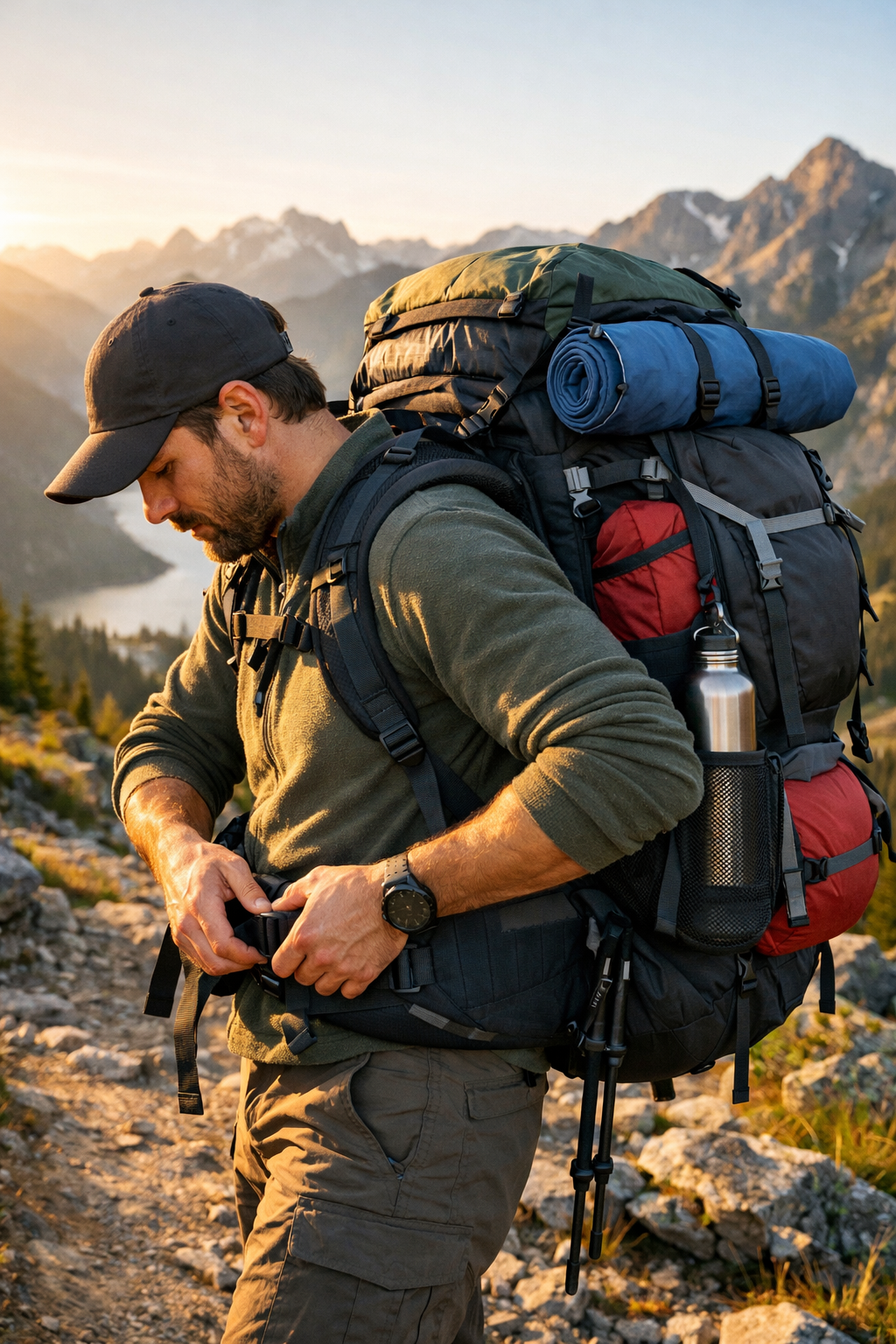
The foundation of any backpacking trip begins with the backpack itself. Selecting the right pack ensures that all your gear can be carried comfortably over long distances. A well-designed backpack distributes weight evenly across your hips and shoulders, reducing strain on your back during extended hikes.
Backpacks used for multi-day trips typically include adjustable suspension systems, padded hip belts, and breathable back panels. These features help hikers maintain balance and comfort while carrying essential equipment. Capacity is another important factor. Packs are usually measured in liters, and the appropriate size depends on the length of your trip and the amount of gear required.
In addition to the backpack, the internal organization of your gear plays a key role in efficiency. Experienced backpackers often place heavier items closer to the back panel to maintain stability while walking. Lighter items can be positioned near the top or outer compartments for easy access.
When planning your backpacking essentials, it is helpful to pack items according to how frequently they will be used. Water, navigation tools, and rain protection should remain accessible, while sleeping equipment and extra clothing can be stored deeper inside the pack.
Shelter and Sleeping Gear for Comfort Outdoors
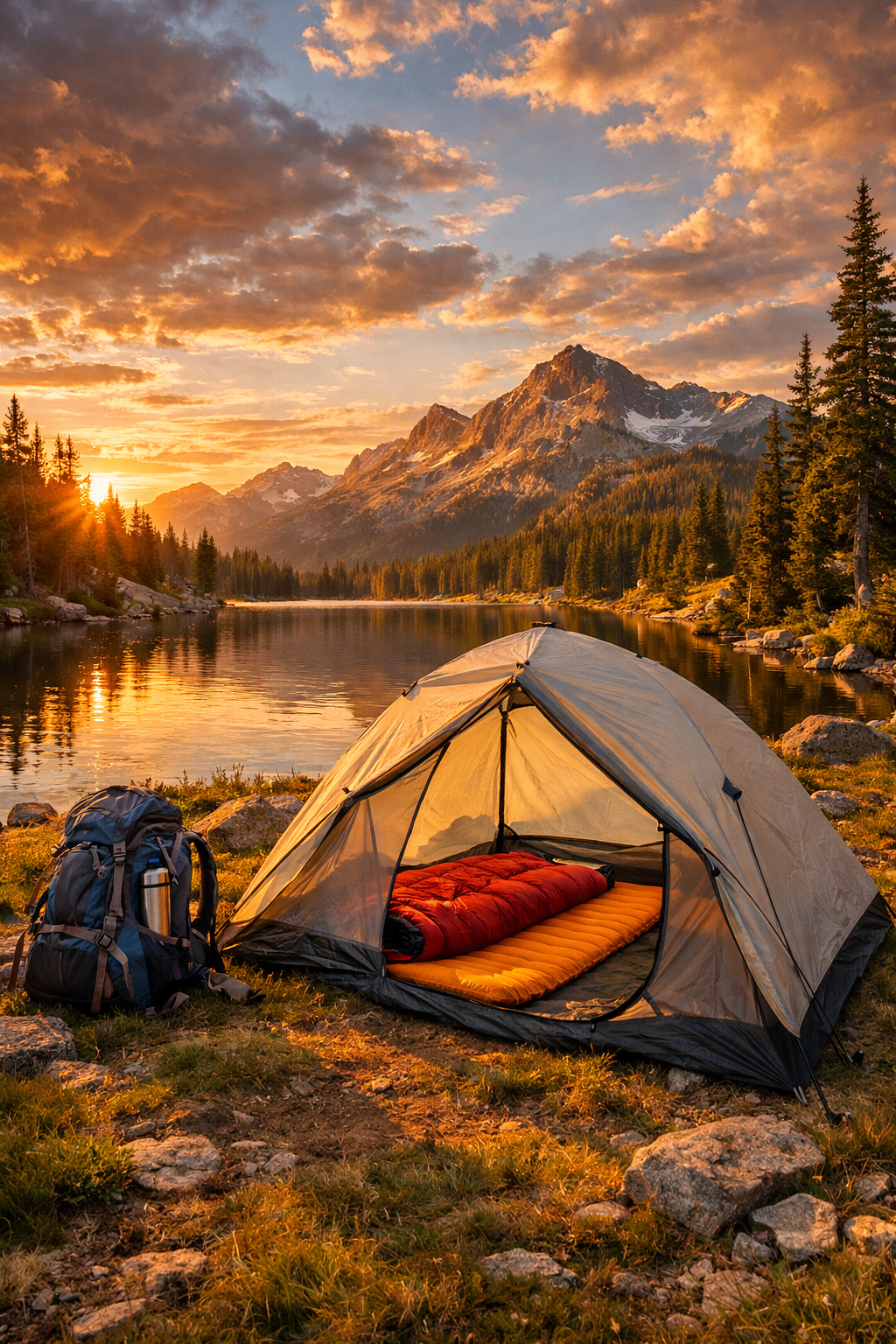
One of the most important aspects of any backpacking trip is having a reliable place to rest at night. Shelter protects you from wind, rain, and temperature changes, allowing your body to recover after a day of hiking.
Lightweight tents are commonly used for backpacking because they offer strong protection while remaining easy to carry. Many modern designs focus on minimizing weight while still providing durability and weather resistance. For some hikers, alternative shelter systems such as tarps or bivy sacks offer a lighter option, though they may require more experience to use effectively.
Sleeping systems are equally important when considering backpacking essentials. A sleeping bag designed for the expected temperature range helps maintain warmth throughout the night. Insulated sleeping pads also play a crucial role by providing cushioning and preventing body heat from escaping into the ground.
Good rest is essential during multi-day hikes. Proper shelter and sleeping gear ensure that you wake up refreshed and ready to continue the journey.
Clothing and Weather Protection for Changing Conditions
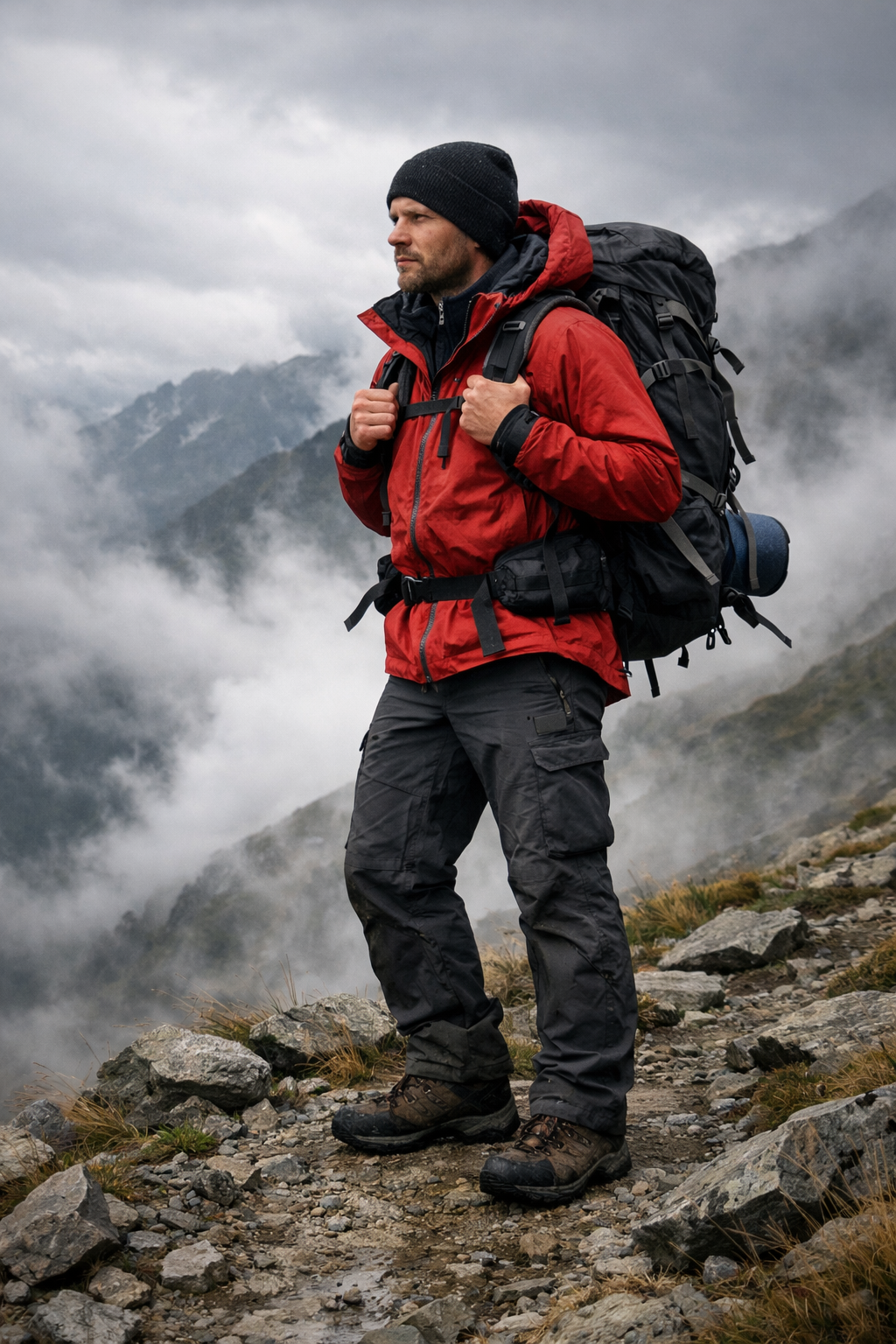
Weather conditions in the outdoors can change quickly, especially in mountainous or remote regions. Preparing for these variations is a critical part of packing backpacking essentials.
Clothing should be chosen based on layering principles rather than heavy single garments. A base layer helps regulate body temperature by wicking moisture away from the skin. Mid-layers provide insulation, while outer layers protect against wind and rain.
Lightweight waterproof jackets are particularly important because sudden rainstorms can appear without warning. Staying dry not only improves comfort but also helps prevent cold-related issues during longer trips.
Footwear is another major consideration. Hiking boots or trail shoes should provide strong support, traction, and durability across different terrains. Proper socks also contribute to comfort by reducing friction and preventing blisters.
By selecting versatile clothing that can adapt to different weather conditions, backpackers can remain comfortable throughout their journey while minimizing the amount of gear they carry.
Food, Water, and Cooking Essentials on the Trail
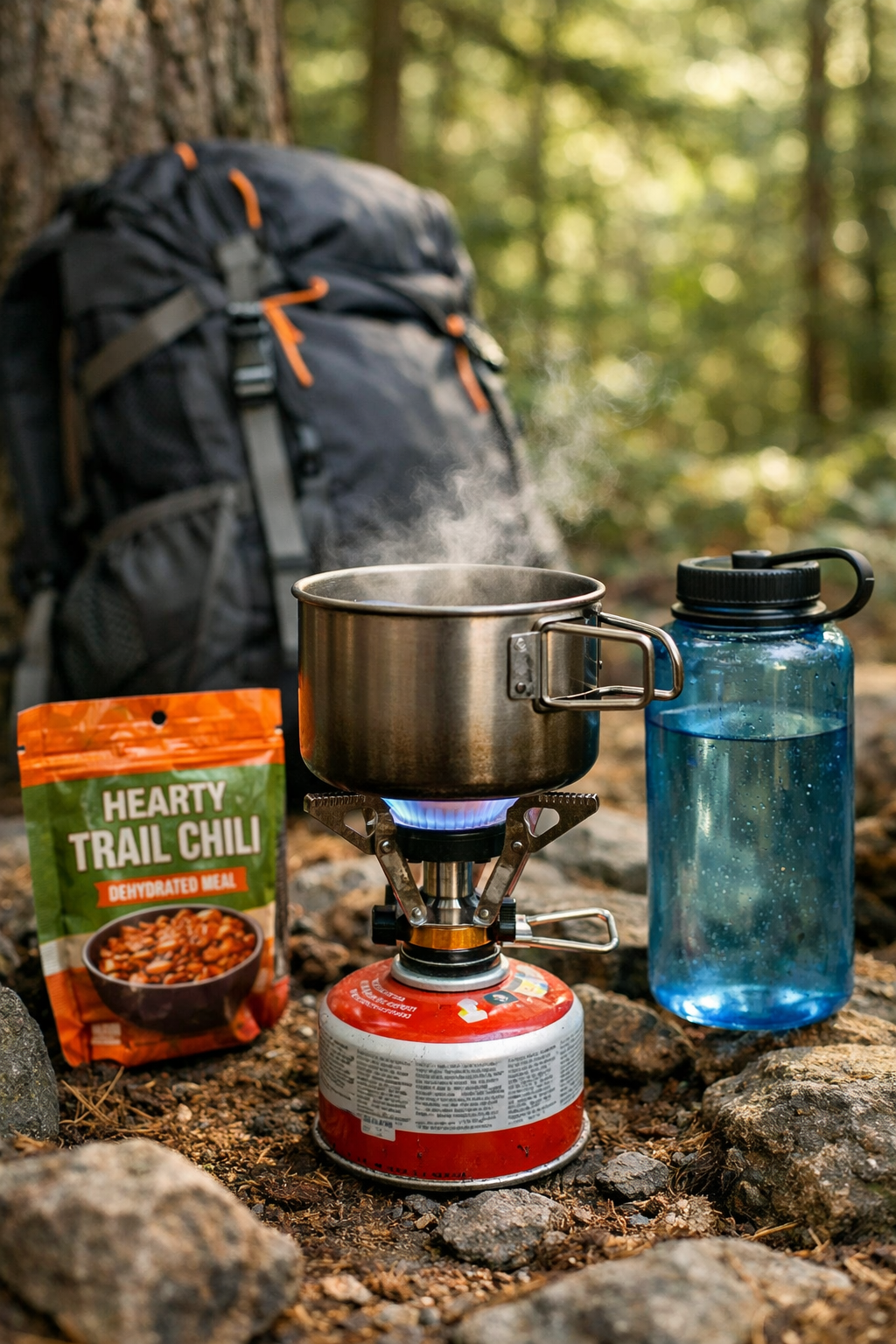
Nutrition and hydration are fundamental elements of safe backpacking. Carrying enough food and water ensures that your body has the energy required to complete long hikes and maintain physical performance.
Backpackers often choose lightweight, calorie-dense foods that provide sustained energy. Dehydrated meals, trail mixes, nuts, and energy bars are commonly used because they offer strong nutritional value without adding excessive weight to the pack.
Water management is another crucial part of backpacking essentials. Natural water sources may be available along many trails, but they are not always safe to drink without treatment. Water filtration systems or purification methods allow hikers to refill bottles from streams or lakes safely.
Portable cooking equipment can enhance the backpacking experience by allowing warm meals and beverages at camp. Lightweight stoves designed for outdoor use are popular because they heat water quickly while remaining compact and efficient.
Proper planning for food and water helps maintain energy levels throughout the trip and supports overall well-being during long-distance hikes.
Navigation, Safety, and Emergency Preparedness
While backpacking offers incredible freedom, it also requires a strong awareness of safety. Remote environments can present unexpected challenges, and being prepared for emergencies is essential.
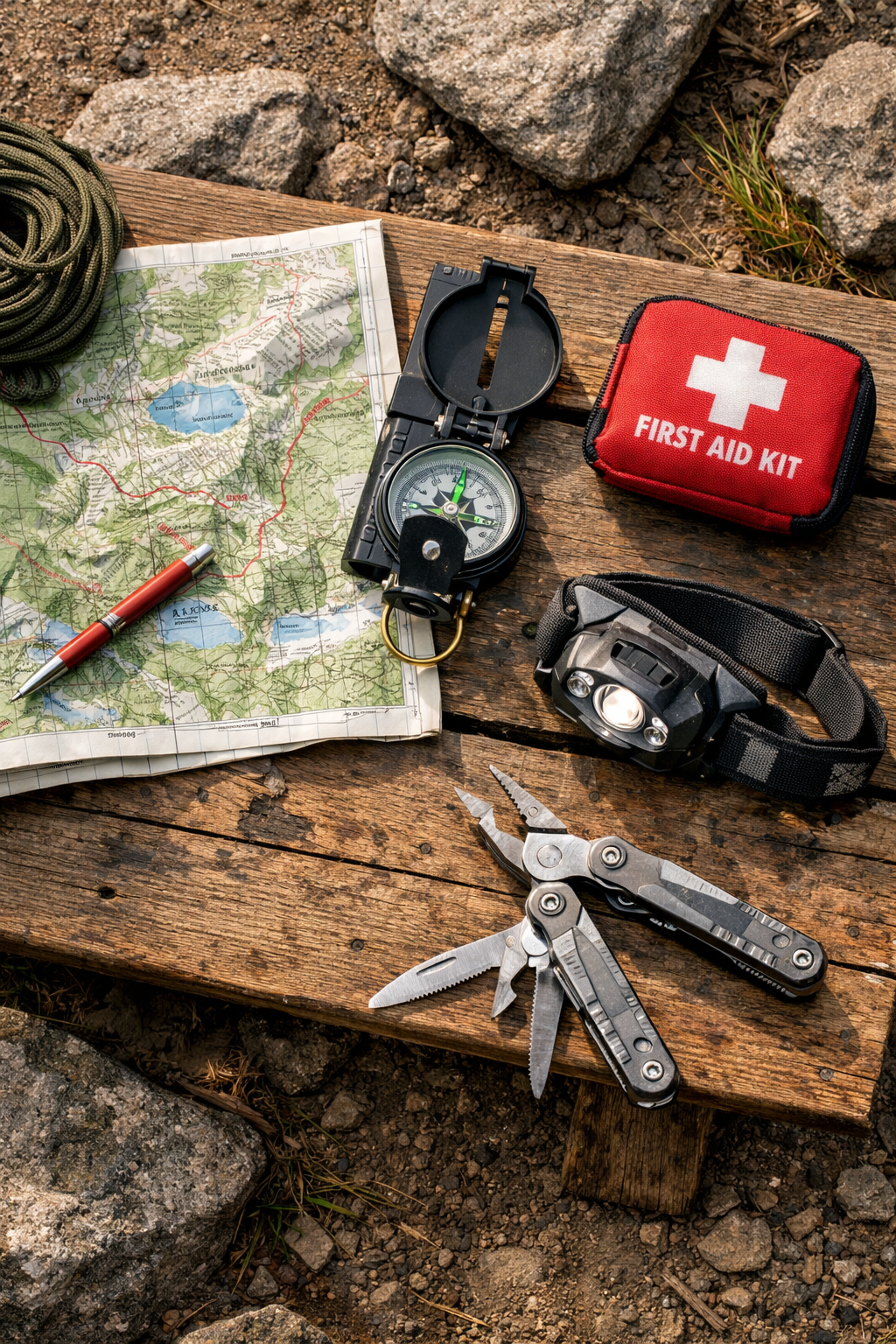
Navigation tools are among the most important backpacking essentials. Even on well-marked trails, maps and compasses provide valuable guidance if routes become confusing. GPS devices or navigation apps may also assist hikers, but traditional navigation skills remain important in case technology fails.
Lighting is another key consideration, especially for hikers who may still be on the trail near sunset. Headlamps allow hands-free visibility while setting up camp or navigating darker paths.
Emergency preparedness also includes carrying first aid supplies and tools that can assist with small repairs or unexpected situations. Minor injuries such as cuts, blisters, or sprains are not uncommon during outdoor activities, so having basic medical supplies can make a significant difference.
Preparation is not about expecting problems but about being ready to respond calmly if they arise.
Small Items That Make a Big Difference
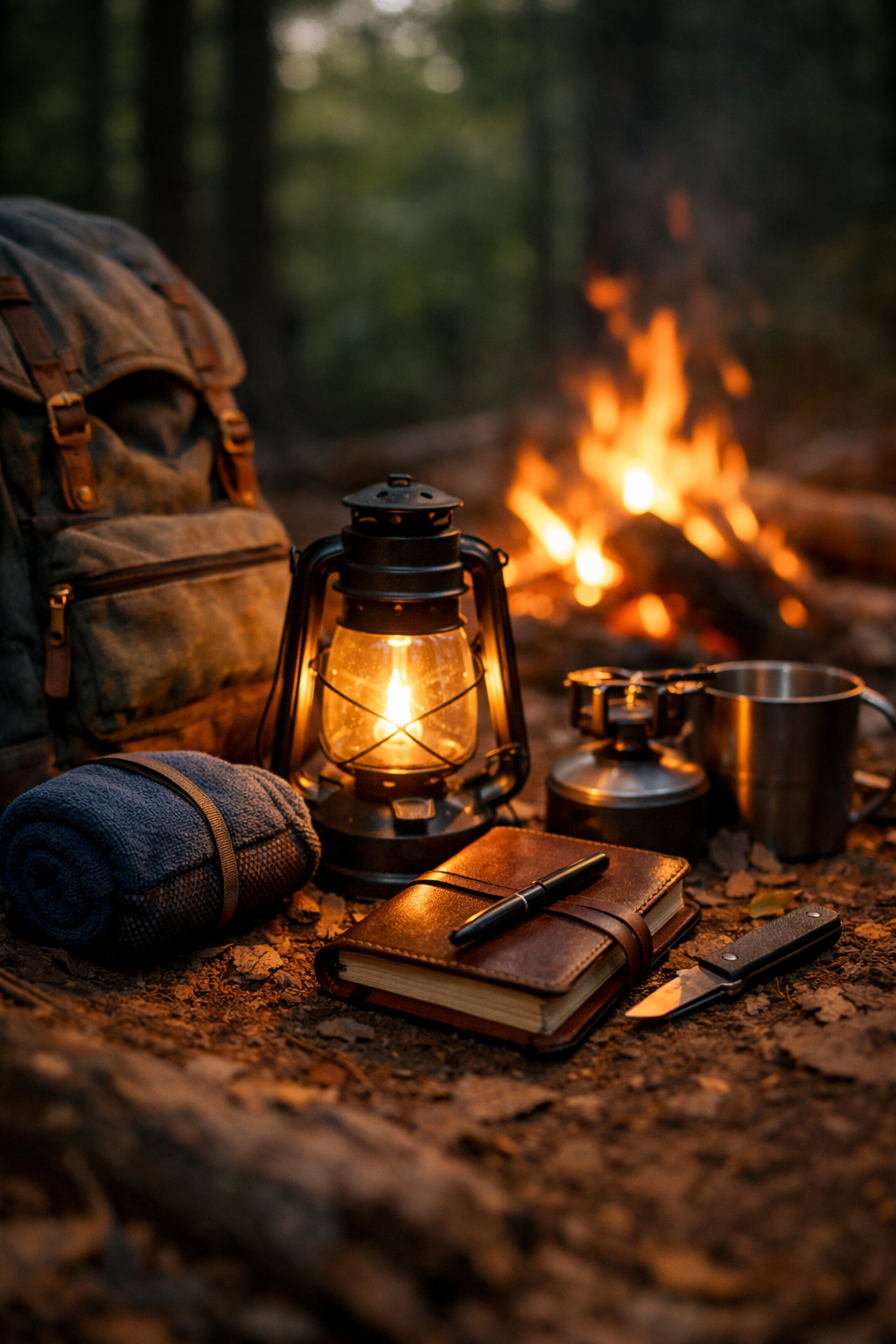
Beyond the major gear categories, there are several smaller backpacking essentials that contribute to comfort and convenience during outdoor adventures.
Personal hygiene items help maintain cleanliness throughout multi-day trips. Simple supplies such as biodegradable soap, a small towel, and basic toiletries can improve overall comfort while minimizing environmental impact.
Lighting tools like compact lanterns can create a more comfortable campsite environment after sunset. Similarly, lightweight multi-purpose tools are often carried because they can assist with equipment adjustments, food preparation, or minor repairs.
Many experienced backpackers also appreciate items that support relaxation after a long day of hiking. A lightweight sitting pad, compact journal, or small camera can help capture memorable moments and enhance the overall experience.
While these items may seem minor compared to larger gear, they often play an important role in making backpacking trips more enjoyable.
Frequently Asked Questions
What are backpacking essentials?
Backpacking essentials are the core items hikers need to safely and comfortably travel in outdoor environments. These typically include shelter, sleeping gear, navigation tools, food supplies, water treatment methods, weather-appropriate clothing, and emergency preparedness equipment.
How heavy should a backpack be for backpacking?
The ideal backpack weight depends on the individual and the length of the trip. Many experienced hikers aim to keep their pack weight between ten and twenty percent of their body weight to maintain comfort during long hikes.
What food is best for backpacking trips?
Backpacking food should be lightweight, nutritious, and easy to prepare. Dehydrated meals, trail mixes, nuts, dried fruits, and energy bars are popular choices because they provide high energy while remaining compact and portable.
Do beginners need expensive backpacking gear?
High-quality gear can improve comfort and durability, but beginners do not always need the most expensive equipment. Many affordable options provide reliable performance, especially for shorter trips or occasional outdoor adventures.
How do I prepare for my first backpacking trip?
Preparation begins with researching the trail, checking weather conditions, and packing essential gear. Beginners often benefit from starting with shorter trips to build experience before attempting longer or more challenging routes.
Conclusion
Backpacking is an incredible way to explore natural landscapes, challenge yourself physically, and experience the outdoors in a meaningful way. However, successful adventures rely heavily on preparation and thoughtful planning. A well-organized backpacking essentials packing list ensures that hikers remain safe, comfortable, and ready to adapt to changing conditions.
From choosing the right backpack and shelter to preparing appropriate clothing, navigation tools, and food supplies, every piece of gear plays a role in supporting the journey. Even smaller items can enhance convenience and improve the overall outdoor experience.
Ultimately, the goal of packing backpacking essentials is not to carry everything imaginable but to select the most important tools that support safety, efficiency, and comfort. When your gear is carefully chosen and well organized, you can focus less on logistics and more on enjoying the beauty of the trail.