Last Updated on February 24, 2026 by John Tim
When the temperature rises and the trails call your name, choosing the right summer hiking outfits can make the difference between an energizing outdoor experience and an uncomfortable struggle. Hiking in hot weather presents unique challenges. Sweat, sun exposure, humidity, and fluctuating terrain demand clothing that works with your body rather than against it. The right outfit keeps you cool, protects your skin, prevents chafing, and allows full freedom of movement across miles of trail.
Many hikers assume that dressing for summer simply means wearing less clothing. In reality, thoughtful layering, breathable fabrics, and sun-smart design matter far more than minimal coverage. Whether you’re heading out for a short local hike or planning a full-day mountain adventure, understanding how to build effective summer hiking outfits will help you stay safe, comfortable, and confident on the trail.
This guide explores everything you need to know about hot-weather hiking apparel, from fabric selection and fit to footwear and accessories. By the end, you’ll know how to build outfits that perform well in high heat while maintaining durability and style.
Understanding the Challenges of Summer Hiking
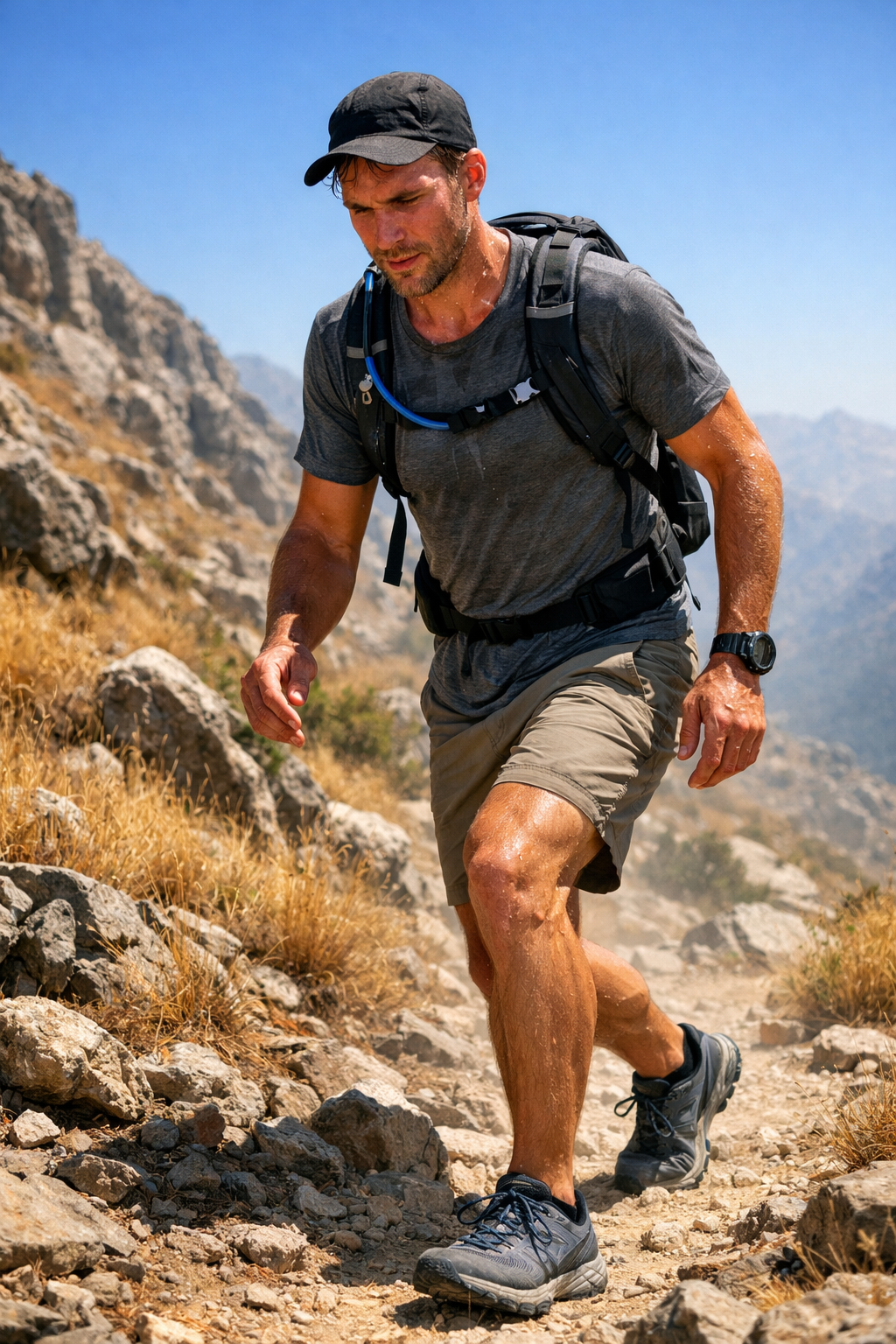
Hot-weather hiking introduces several environmental factors that affect your clothing choices. High temperatures increase perspiration, and moisture trapped against the skin can cause irritation or blisters. Direct sunlight intensifies dehydration risks and raises the possibility of sunburn. In humid climates, sweat evaporates more slowly, making breathability even more important.
Good summer hiking outfits address these challenges in three key ways. They regulate body temperature through moisture-wicking and airflow. They protect exposed skin from harmful UV rays. And they reduce friction during repetitive movement over uneven terrain.
When you understand these core functions, choosing the right gear becomes less about fashion trends and more about performance and protection.
Choosing the Right Fabrics for Summer Hiking Outfits
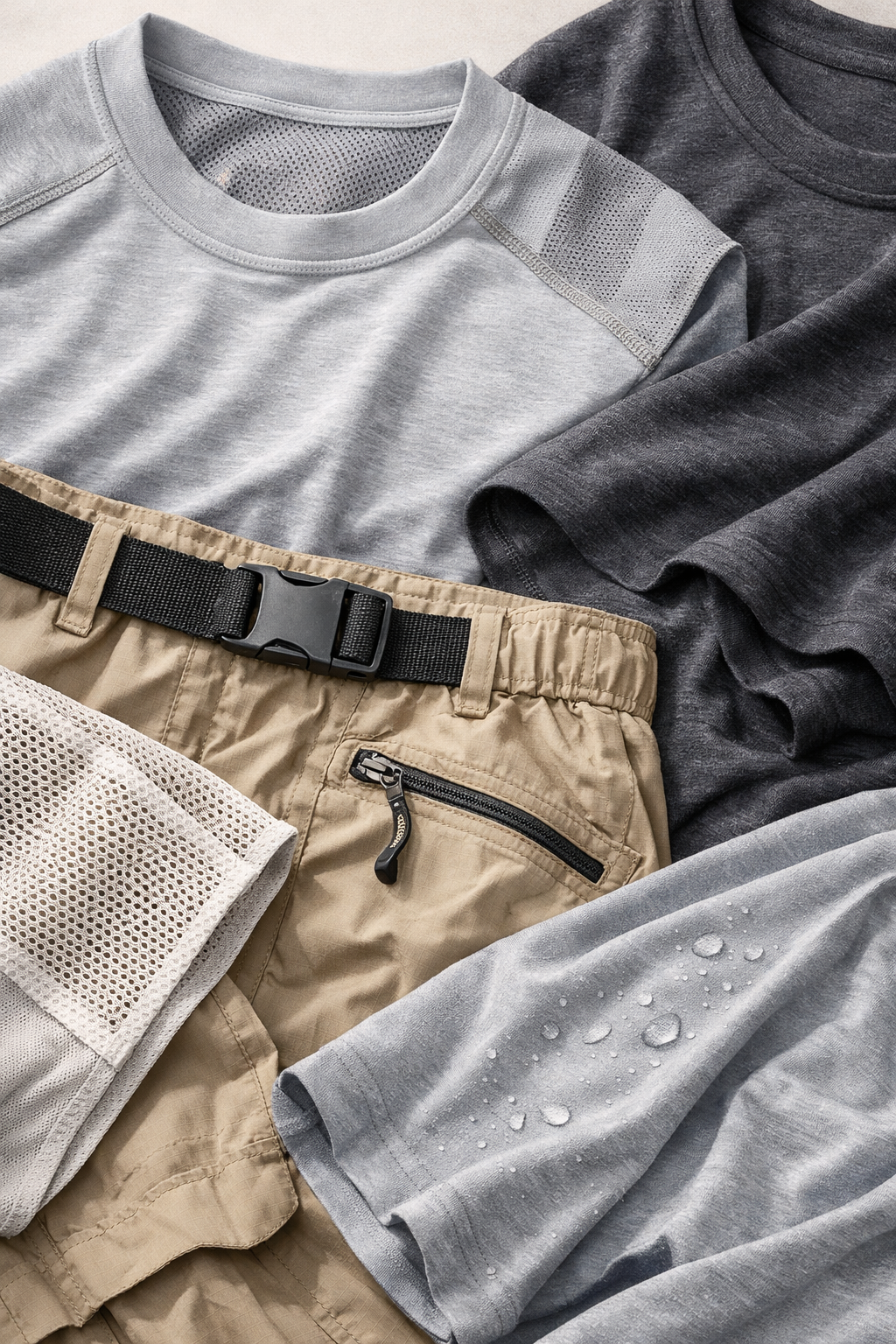
Fabric selection forms the foundation of effective summer hiking outfits. The material closest to your skin plays a critical role in managing moisture and temperature.
Synthetic fabrics such as polyester and nylon are widely used in hiking apparel because they wick sweat away from the body and dry quickly. These materials allow moisture to evaporate efficiently, helping you stay cooler during long climbs or sunny stretches.
Merino wool, despite its association with winter gear, can also perform well in summer. Lightweight merino regulates temperature naturally and resists odor buildup during multi-day hikes. It remains breathable and comfortable even when slightly damp.
Cotton, on the other hand, is generally unsuitable for hot-weather hiking. While it feels soft at first, it absorbs moisture and dries slowly, which can lead to chafing and discomfort in high heat.
When building summer hiking outfits, prioritize breathable, quick-drying materials that maintain airflow and minimize moisture retention.
Tops That Keep You Cool and Protected
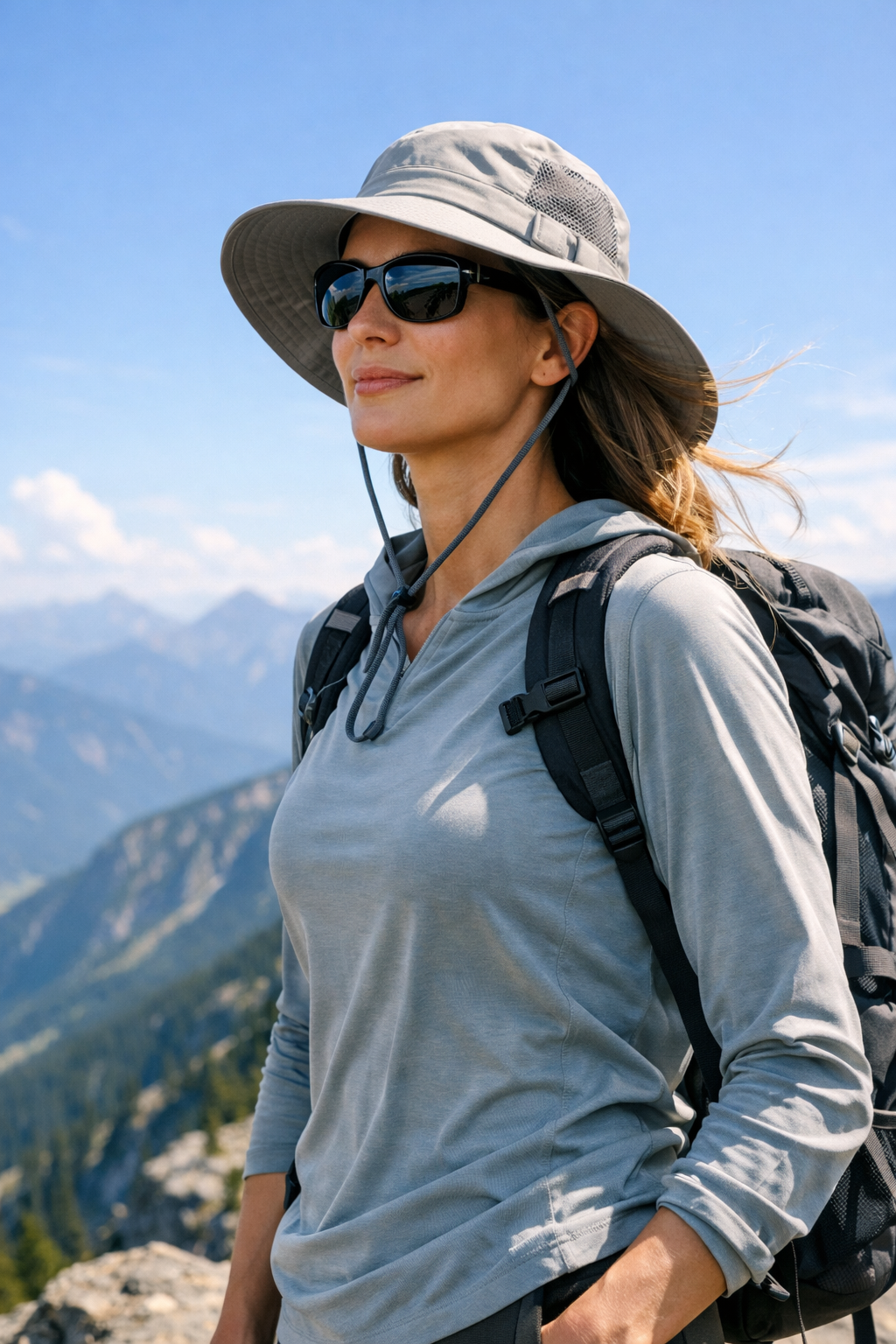
The upper half of your outfit is constantly exposed to sun and wind. A good hiking top should balance ventilation with UV protection.
Lightweight short-sleeve performance shirts are popular for hot-weather adventures. They allow airflow while keeping sweat from lingering. However, in areas with intense sun exposure or high-altitude conditions, long-sleeve hiking shirts made from breathable, UPF-rated fabrics can actually feel cooler by shielding your skin from direct sunlight.
Loose but not baggy fits work best. A top that clings too tightly can trap heat, while excessively loose clothing may cause friction under backpack straps. Seam placement also matters. Flatlock seams reduce irritation during extended movement.
Many experienced hikers prefer neutral or light-colored tops during summer because they reflect sunlight rather than absorb it. While color alone won’t determine comfort, it can contribute to overall heat management.
Bottoms Designed for Mobility and Ventilation
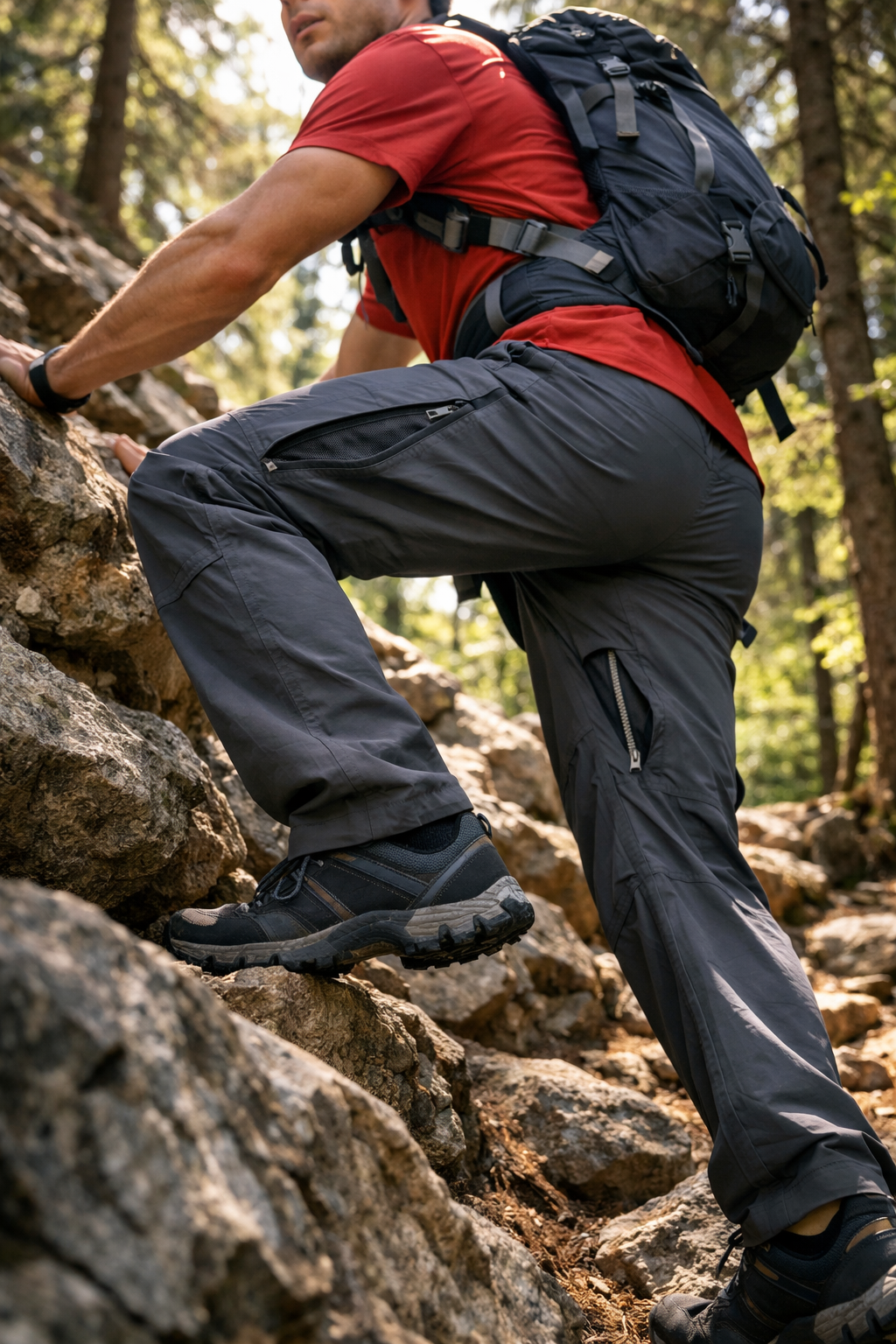
Choosing the right bottoms is equally important when assembling summer hiking outfits. Shorts are a common choice for low-altitude trails and moderate terrain. Look for options made from stretch-woven synthetic fabrics that move with your stride and dry quickly after sweat or water crossings.
For environments with dense vegetation, insects, or high sun exposure, lightweight hiking pants provide additional protection without excessive warmth. Modern summer hiking pants are designed with zip vents, articulated knees, and breathable panels to promote airflow.
Convertible pants offer flexibility for changing conditions, allowing you to adjust coverage without carrying extra clothing. Regardless of style, ensure the waistband sits comfortably under a backpack hip belt and that the fabric allows unrestricted movement during climbs and descents.
Fit remains critical. Bottoms that are too tight can restrict circulation and increase heat retention, while overly loose designs may cause friction on longer hikes.
The Importance of Proper Undergarments
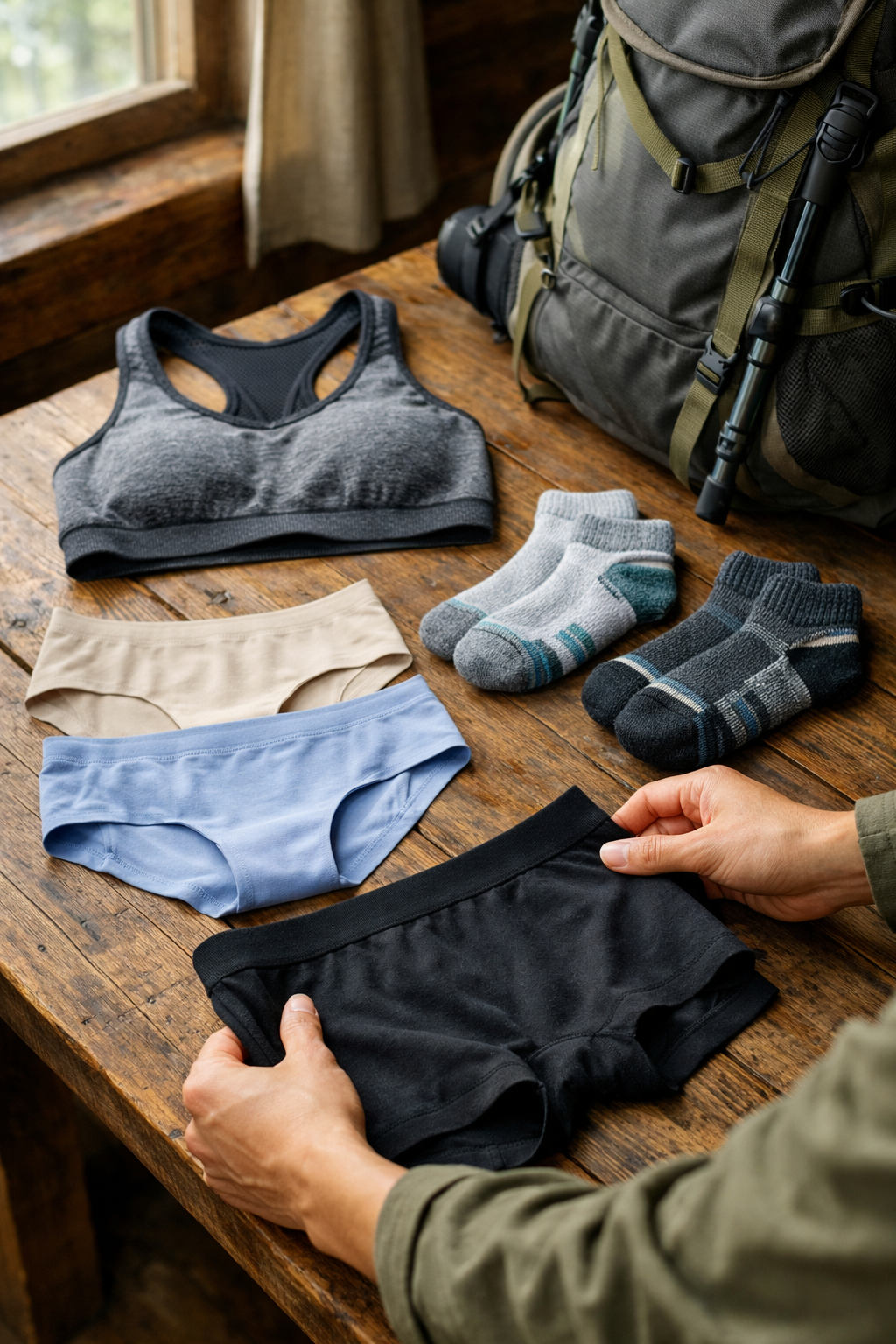
Often overlooked, undergarments significantly influence comfort on hot days. Moisture-wicking underwear made from synthetic blends or merino wool reduces friction and helps prevent chafing. Seamless construction and ergonomic cuts improve comfort during repetitive motion.
For women, supportive sports bras designed for breathability can make a major difference in overall hiking comfort. For men, lightweight boxer briefs with stretch properties tend to offer better moisture management than traditional cotton styles.
Since these layers sit closest to your skin, they should always prioritize performance materials over casual fabrics.
Socks That Support Summer Performance
Socks are a crucial component of summer hiking outfits, especially when dealing with heat and extended mileage. High-quality hiking socks made from merino blends or synthetic fibers manage moisture while providing cushioning in high-impact areas.
Thin to midweight socks are generally best for hot-weather hiking. They offer sufficient protection without causing excessive warmth. Proper fit is essential to prevent blisters. Socks should hug the foot without bunching or slipping.
Changing into a fresh pair midway through a long hike can significantly improve comfort and reduce moisture buildup.
Footwear for Hot-Weather Trails
Footwear choice depends on terrain, distance, and personal preference, but breathability is key in summer conditions. Trail runners have become increasingly popular because they are lightweight, flexible, and well-ventilated. They allow for faster drying after water crossings and tend to feel cooler than heavier boots.
Traditional hiking boots still have a place, particularly for rugged or rocky terrain that requires ankle support. In summer, look for models with mesh panels that promote airflow while maintaining structural integrity.
Regardless of style, ensure your footwear fits properly and pairs well with your chosen socks. Ill-fitting shoes combined with heat and moisture can quickly lead to blisters.
Sun Protection as Part of Your Outfit Strategy
Sun exposure is one of the most serious risks during summer hikes. Effective summer hiking outfits always incorporate protection beyond clothing layers.
Wide-brim hats or lightweight caps shield the face and neck from direct sunlight. Sunglasses with UV protection help prevent eye strain and long-term damage. Some hikers prefer neck gaiters or buffs that can be adjusted depending on sun intensity.
Applying sunscreen remains essential even when wearing protective clothing. No outfit can fully replace proper skin care during prolonged sun exposure.
Layering in the Heat
Layering is often associated with cold weather, but it remains relevant in summer. Early morning hikes may begin in cooler temperatures before transitioning into intense midday heat. Mountain environments can also experience sudden weather changes.
A lightweight, packable windbreaker can provide temporary protection without adding bulk. Moisture-wicking base layers allow sweat to evaporate efficiently if you remove outer layers as temperatures rise.
The key to successful summer hiking outfits is adaptability. Choose pieces that are easy to remove, pack, and re-layer as conditions shift.
Balancing Comfort and Style
While performance should always come first, modern summer hiking outfits also allow for personal style. Earth tones, soft pastels, and vibrant trail-ready colors all have their place on the mountain.
Feeling confident in what you wear can enhance the overall hiking experience. However, style should never compromise breathability, fit, or durability. Prioritize functional design, then select colors and patterns that reflect your personality.
Avoiding Common Hot-Weather Clothing Mistakes
Many hikers make simple but avoidable errors when dressing for summer adventures. Wearing heavy cotton garments can trap moisture and increase discomfort. Choosing clothing that is too tight may restrict airflow and movement. Ignoring sun protection can lead to painful burns and long-term skin damage.
Overpacking unnecessary layers can also add weight and reduce efficiency on the trail. Instead, focus on versatile, lightweight items that serve multiple functions.
By understanding these pitfalls, you can refine your summer hiking outfits to meet both environmental demands and personal comfort needs.
FAQ: Summer Hiking Outfits
What should I wear for hiking in very hot weather?
For very hot weather, choose lightweight, breathable fabrics that wick moisture and dry quickly. Opt for synthetic or merino tops, flexible hiking shorts or ventilated pants, moisture-wicking underwear, and breathable trail shoes. Add a hat and sunglasses for sun protection.
Are shorts or pants better for summer hiking?
Both can work well depending on conditions. Shorts offer maximum ventilation in open, sunny areas. Lightweight hiking pants provide better protection against sun, insects, and brush. The best choice depends on terrain and personal comfort.
Is cotton ever acceptable for summer hiking?
Cotton is generally not recommended because it absorbs sweat and dries slowly. In high heat, this can lead to chafing and discomfort. Performance fabrics are a more reliable option for long or strenuous hikes.
How can I prevent chafing in hot weather?
Wear moisture-wicking undergarments, ensure proper fit, and avoid rough seams. Applying anti-chafing balms to high-friction areas can also help reduce irritation during longer hikes.
Do I need long sleeves in summer?
Long sleeves made from lightweight, breathable materials can actually help by blocking direct sun exposure. In areas with strong UV rays or at high elevations, they can keep you cooler than bare skin.
What colors are best for summer hiking outfits?
Light colors reflect sunlight and may feel cooler in direct sun. However, fabric technology and breathability have a greater impact on comfort than color alone.
Conclusion: Building Smart Summer Hiking Outfits for Confident Adventures
Creating effective summer hiking outfits is about more than choosing lightweight clothing. It involves understanding how heat, sun exposure, and movement affect your body on the trail. By prioritizing breathable fabrics, thoughtful fit, proper footwear, and sun protection, you can dramatically improve comfort and performance during hot-weather adventures.
The right outfit supports every step you take. It reduces distractions, prevents discomfort, and allows you to focus on the beauty of the landscape around you. Whether you are exploring forest paths, mountain ridges, or desert trails, dressing strategically for the season ensures your experience remains enjoyable and safe.
As you prepare for your next hike, remember that smart clothing choices are an investment in both comfort and confidence. With carefully selected summer hiking outfits, you can embrace the heat, move freely, and fully enjoy the adventure ahead.