Last Updated on March 15, 2026 by John Tim
Living in a compact apartment, a cozy studio, or even a modestly sized home often comes with the same challenge: where to put everything without the space feeling cramped and chaotic. The good news is that clever storage does not require tearing down walls or buying expensive custom pieces. With thoughtful planning and a shift in perspective, you can uncover hidden potential in every corner, wall, and piece of furniture. These genius small space storage ideas draw from years of helping people transform cluttered homes into calm, functional environments. The focus remains on practical, adaptable solutions that work across rooms, prioritize multi-functionality, and make daily life smoother. Whether you rent and need non-permanent fixes or own your space and want lasting changes, the strategies here emphasize maximizing what you already have while adding smart elements that free up floor space and reduce visual clutter. By the end, you will see your home not as limited but as full of untapped opportunities for organization and peace.
The Power of Vertical Storage in Small Spaces
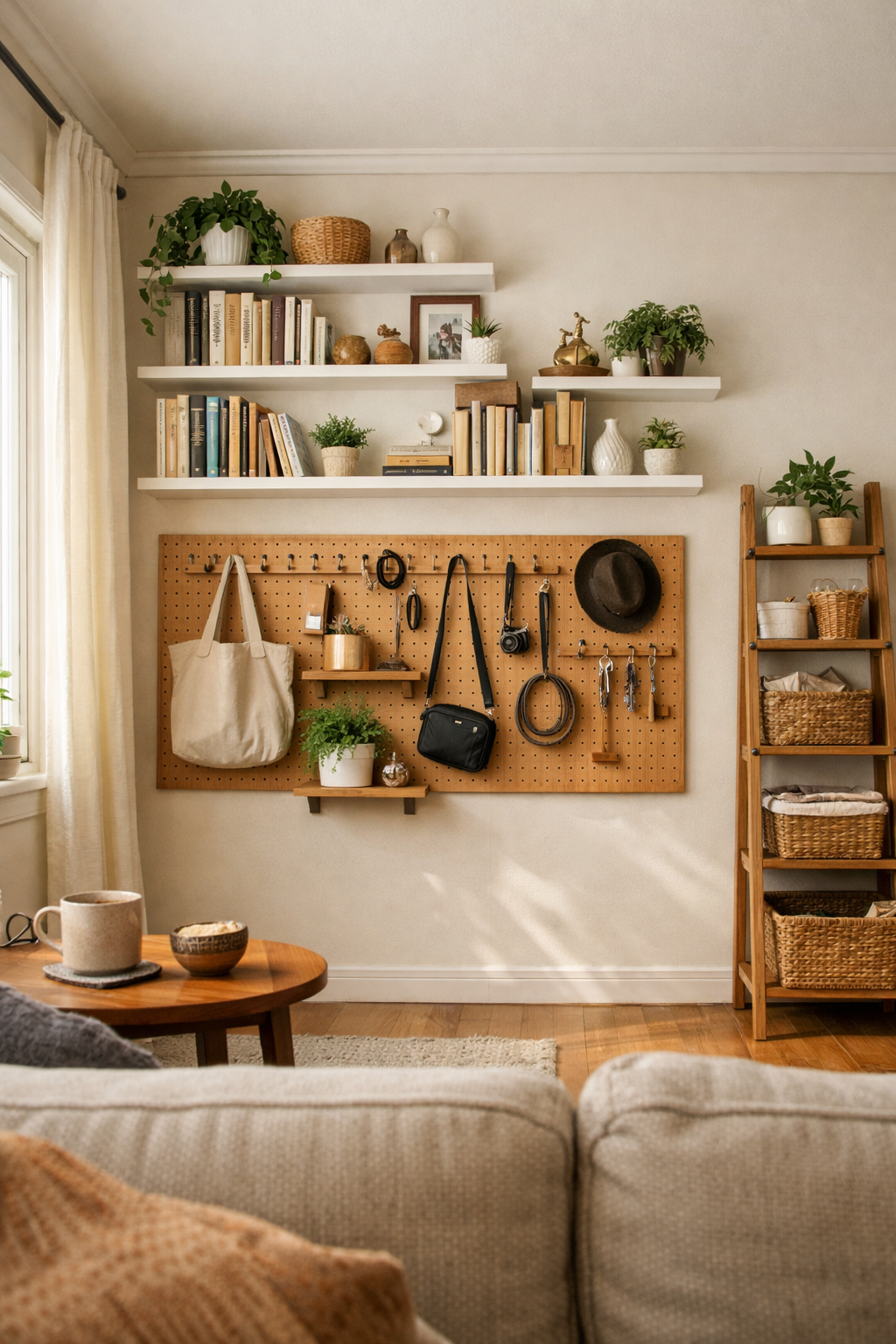
One of the most effective ways to gain storage without sacrificing precious floor area involves looking upward. Walls offer vast real estate that often goes unused, and turning them into functional surfaces changes everything. Floating shelves installed at varying heights create display and storage opportunities while keeping the floor clear for movement. In living rooms, a series of narrow shelves above a sofa can hold books, plants, and decorative items, drawing the eye vertically and making ceilings feel higher. Kitchens benefit tremendously from this approach—mount open shelving above counters for everyday dishes and glassware, or install tall ladder-style shelves in corners for pantry overflow.
Hooks and pegboards bring even more versatility to vertical storage. A pegboard in an entryway or home office can hold keys, bags, tools, or even small baskets for mail and accessories, keeping surfaces tidy. In bathrooms, adhesive hooks or tension rods behind doors store towels and robes without drilling. The beauty of vertical solutions lies in their adaptability; they suit renters who avoid permanent changes and homeowners seeking efficient upgrades. When implemented thoughtfully, these ideas prevent items from piling on tables and counters, creating breathing room that makes any small space feel larger and more inviting.
Multi-Functional Furniture That Maximizes Storage
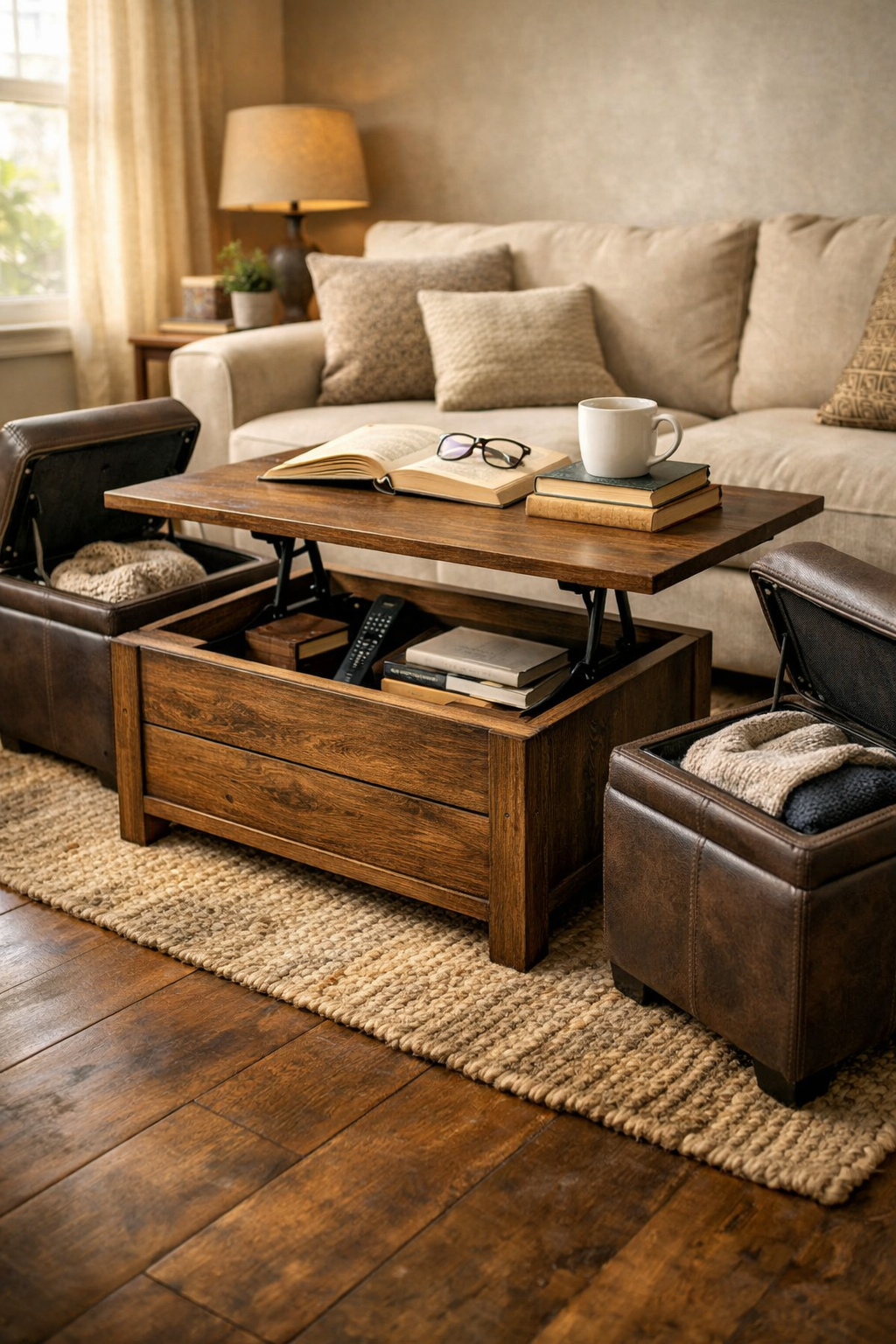
Furniture that serves more than one purpose stands out as a cornerstone of genius small space storage ideas. Instead of a standard coffee table, choose one with built-in drawers or a lift-top that reveals hidden compartments for remotes, magazines, and coasters. Ottomans with removable lids offer seating during gatherings while concealing blankets, games, or extra pillows inside. Beds with integrated drawers underneath provide ideal spots for seasonal clothing, linens, or shoes, turning dead space beneath the frame into valuable storage.
In dining areas, benches with storage cubbies replace traditional chairs, allowing you to tuck away placemats, tablecloths, or rarely used serving pieces. Nesting tables slide together when not needed yet expand for guests, and side tables with shelves double as nightstands with room for books and chargers. These pieces eliminate the need for additional cabinets or bins, streamlining the room’s footprint. The key is selecting items scaled appropriately—avoid oversized designs that overwhelm—and opting for clean lines that blend seamlessly. Over time, multi-functional furniture not only organizes belongings but also encourages mindful purchasing, as each new piece must earn its place by offering dual benefits.
Clever Use of Under-Utilized Spaces
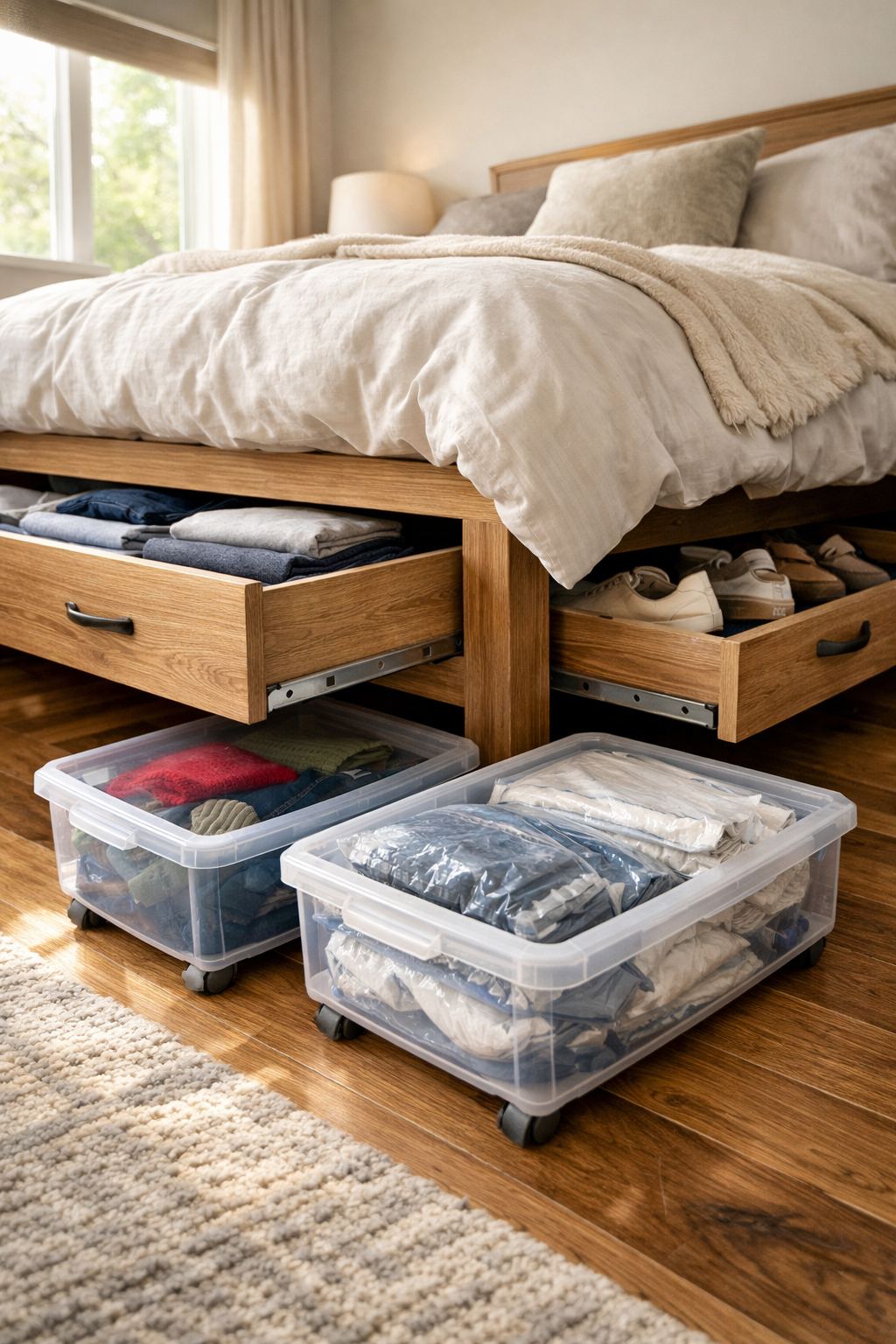
Often the best storage opportunities hide in plain sight, in areas most people overlook. Under-bed storage rises as a prime example; rolling bins or vacuum-sealed bags keep out-of-season items dust-free and accessible without cluttering closets. In kitchens, the space above cabinets becomes a shelf for less frequently used appliances or decorative baskets, while toe-kick drawers installed at the base of lower cabinets capture narrow gaps for flat items like baking sheets.
Behind doors represent another goldmine—over-the-door organizers with pockets hold shoes, cleaning supplies, or pantry staples in hallways and closets. In bedrooms, the back of a closet door can accommodate hanging shoe racks or jewelry organizers. Even awkward corners gain purpose with slim rolling carts or corner shelves that fit snugly without blocking pathways. These solutions require minimal investment yet deliver outsized results by reclaiming forgotten inches. The cumulative effect transforms a once-cramped home into one where everything has a logical, reachable spot, reducing daily frustration and making maintenance effortless.
Organizing with Containers and Dividers
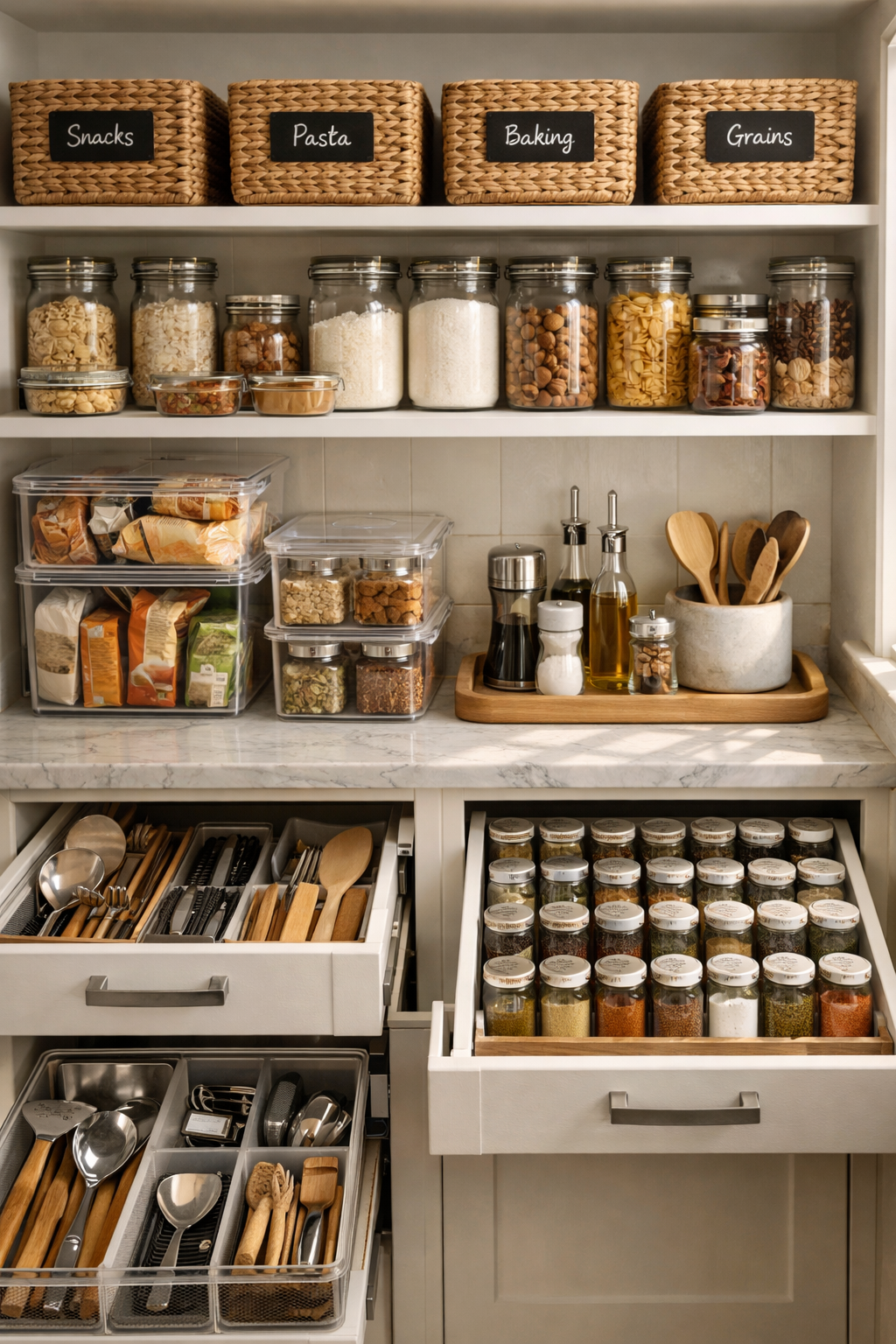
Containers and dividers bring order to chaos by creating designated homes for similar items, preventing small spaces from descending into disarray. Clear bins allow quick identification of contents while stackable versions maximize shelf height in pantries or linen closets. Drawer dividers keep utensils, socks, and office supplies neatly separated, eliminating the rummage-through mess that wastes time.
Baskets in varying sizes add warmth and texture—wicker ones on open shelves hold throws in living rooms, while fabric bins corral toys in family areas. In bathrooms, tiered trays or divided caddies organize toiletries on counters without sprawling. The principle remains consistent: group like with like, label when helpful, and choose containers that fit the space precisely to avoid wasted gaps. This approach not only organizes but also limits accumulation, as seeing filled containers prompts reevaluation of what truly deserves keeping. The result feels intentional and serene, turning potential clutter zones into efficient, attractive storage.
Room-Specific Genius Storage Solutions
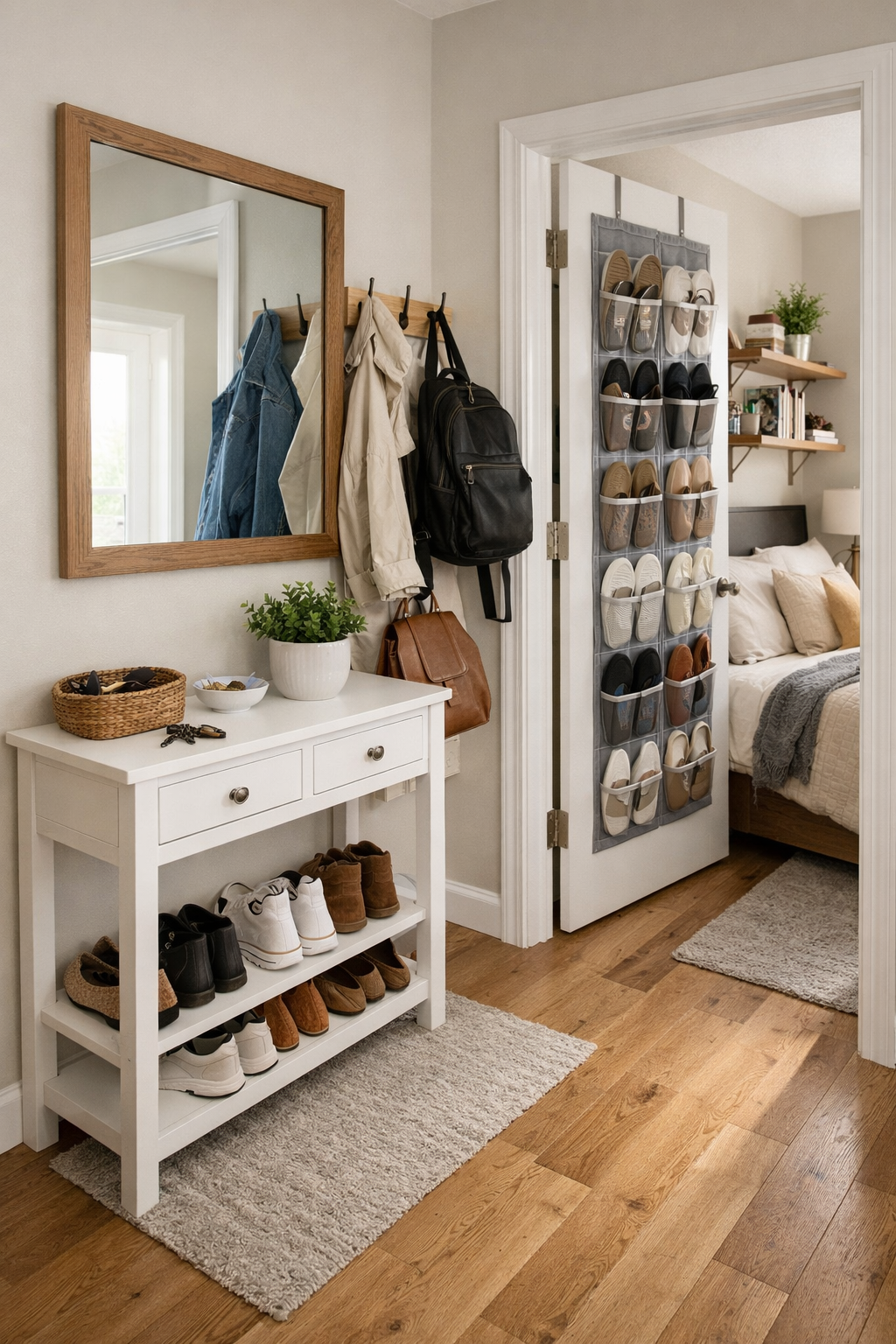
Tailoring storage to each room’s unique demands elevates overall efficiency. In entryways, a narrow console with drawers and lower shelves catches keys, mail, and shoes at the door, preventing items from migrating deeper into the home. Kitchens thrive with magnetic strips for knives, hanging pot racks, and pull-out pantry shelves that access deep corners easily. Bedrooms gain from headboard shelves for nighttime essentials and wardrobe systems with adjustable rods for better clothing organization.
Living rooms benefit from media consoles with ample drawers and cable management, while home offices use wall-mounted file holders and monitor risers with storage underneath. Bathrooms maximize with over-toilet cabinets and recessed shelving in showers. These targeted ideas ensure storage feels natural rather than forced, supporting daily routines without disruption. By addressing each room’s specific needs, the entire home flows better, with less visual noise and more functional calm.
Frequently Asked Questions
What is the best way to start implementing small space storage ideas?
Begin with a thorough declutter of each room, sorting items into keep, donate, and discard categories. Once you have pared down possessions, assess available spaces—walls, under furniture, behind doors—and prioritize one room at a time. This methodical start prevents overwhelm and builds momentum for lasting organization.
How can I add storage in a rental without damaging walls or making permanent changes?
Rely on tension rods, adhesive hooks, freestanding shelves, and command strips for hanging solutions. Over-the-door organizers, rolling carts, and multi-functional furniture require no installation. These renter-friendly options provide flexibility while protecting deposits.
Are there affordable genius small space storage ideas that deliver big results?
Yes—repurpose items like old crates as side tables with storage, use shoe boxes as drawer dividers, or install inexpensive floating shelves. Vacuum storage bags compress bulky textiles, and pegboards offer customizable, low-cost organization for tools or accessories.
How do I prevent small space storage from looking cluttered?
Stick to a cohesive color palette for containers and shelves, use closed storage for everyday mess, and maintain negative space by limiting visible items. Group similar objects and edit regularly to keep surfaces calm and intentional.
What should I store under the bed in a small bedroom?
Focus on flat or compressible items like seasonal clothing, extra bedding, suitcases, or shoes in clear rolling bins. Avoid anything you need daily to prevent constant access hassles.
Can vertical storage work in low-ceiling rooms?
Absolutely—opt for lower-profile shelves or staggered heights that stop short of the ceiling. Tall, narrow units or wall-mounted ladders draw the eye up without overwhelming the space.
How do I organize a tiny kitchen with limited cabinets?
Maximize vertical space with hanging racks for pots, add shelf risers inside cabinets, and use drawer organizers for utensils. Magnetic spice strips on walls and pull-out trays for deep cabinets reclaim hidden areas effectively.
What multi-functional furniture pieces offer the most storage value?
Storage ottomans, beds with drawers, lift-top coffee tables, and benches with compartments provide excellent returns. Choose pieces that match your lifestyle—seating with hidden storage suits frequent guests, while under-bed options work well for seasonal items.
Conclusion
Mastering genius small space storage ideas transforms limitation into opportunity, turning compact homes into efficient, peaceful retreats. By embracing vertical solutions, investing in multi-functional furniture, reclaiming overlooked areas, organizing with smart containers, and customizing approaches room by room, you create systems that support daily life rather than hinder it. These strategies prove that thoughtful design and consistent habits matter more than square footage. Start small, celebrate progress, and watch your space evolve from crowded to composed. In the end, a well-organized home does more than hold your belongings—it nurtures calm, boosts productivity, and reminds you that even the smallest areas can feel generously spacious when every inch works intelligently. Embrace the process, and enjoy the freedom that comes with a home designed for living, not just storing.