Last Updated on February 3, 2026 by John Tim
Living or traveling in a camper is about freedom, simplicity, and making the most of limited space. A small camper interior may seem restrictive at first, but with thoughtful design choices, it can feel open, functional, and surprisingly comfortable. Many camper owners discover that working with a smaller footprint encourages creativity and leads to smarter use of space than larger setups ever could.
A successful small camper interior makeover is not about luxury or excess. It is about balance, flow, and purpose. Every surface, corner, and storage area plays a role in how comfortable and usable the space feels. When done well, even the smallest camper can feel welcoming, efficient, and perfectly suited to everyday needs.
This guide explores how smart design decisions, clever layouts, and intentional styling can completely transform a small camper interior. Whether you are planning a full renovation or making small updates, these ideas focus on maximizing every inch while keeping the space practical and visually appealing.
Smart Layout Planning for a Small Camper Interior
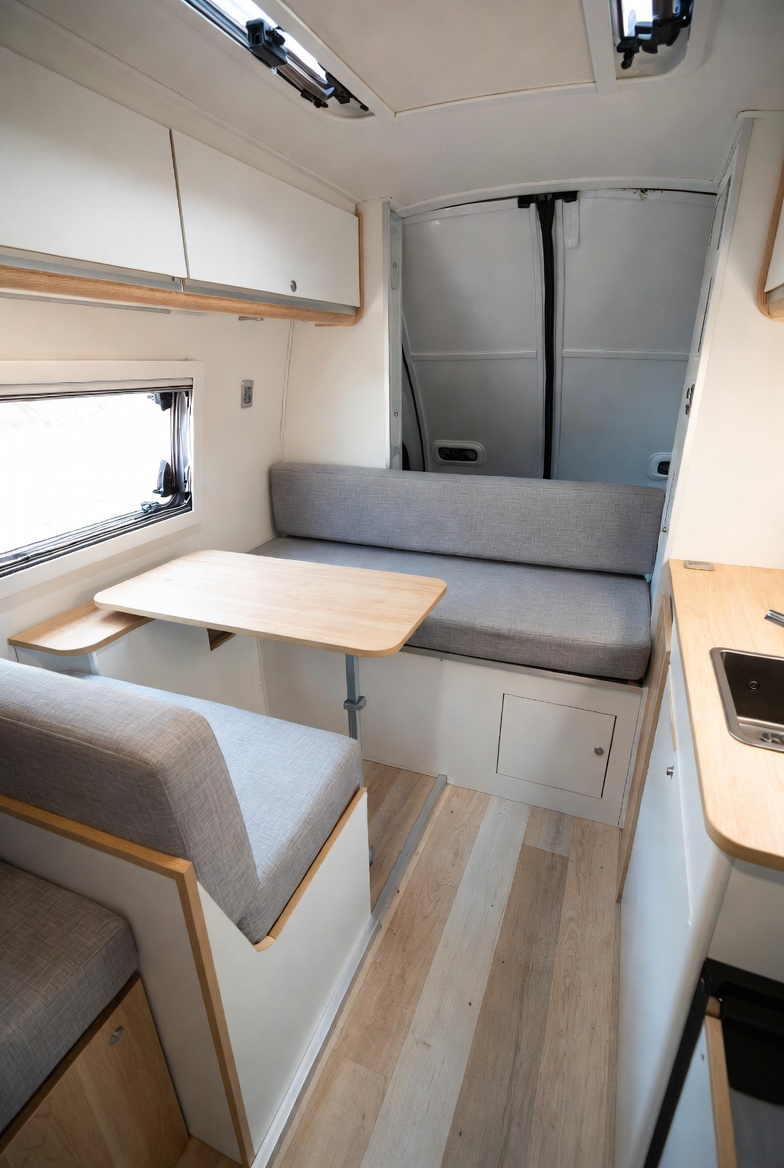
The foundation of any successful small camper interior makeover begins with layout planning. Before changing colors, furniture, or décor, it is important to understand how the space is used daily. Movement, accessibility, and comfort should guide every decision.
In a small camper interior, multifunctional zones are essential. A seating area often doubles as a dining space or sleeping area, while kitchen counters may also serve as workspaces. The goal is to reduce wasted space and allow each area to adapt easily to different activities. Thoughtful layouts improve flow and prevent the space from feeling cramped.
Open floor plans tend to work best in small campers. Removing unnecessary dividers or bulky fixtures can instantly create a sense of openness. Even small changes, such as repositioning seating or choosing slimmer furniture profiles, can make a noticeable difference. Visual continuity also matters, as consistent materials and finishes help the interior feel cohesive rather than segmented.
Storage placement plays a critical role in layout planning. Instead of spreading storage randomly, grouping it in strategic areas helps maintain clear walkways and usable living zones. Overhead cabinets, under-seat compartments, and wall-mounted solutions are often more effective than floor-level storage in a small camper interior.
Lighting should be considered part of the layout, not an afterthought. Natural light enhances the sense of space, while well-placed artificial lighting prevents dark corners that make interiors feel smaller. By planning lighting alongside furniture and storage, the camper interior becomes both functional and inviting.
Storage Solutions That Transform Small Camper Interiors
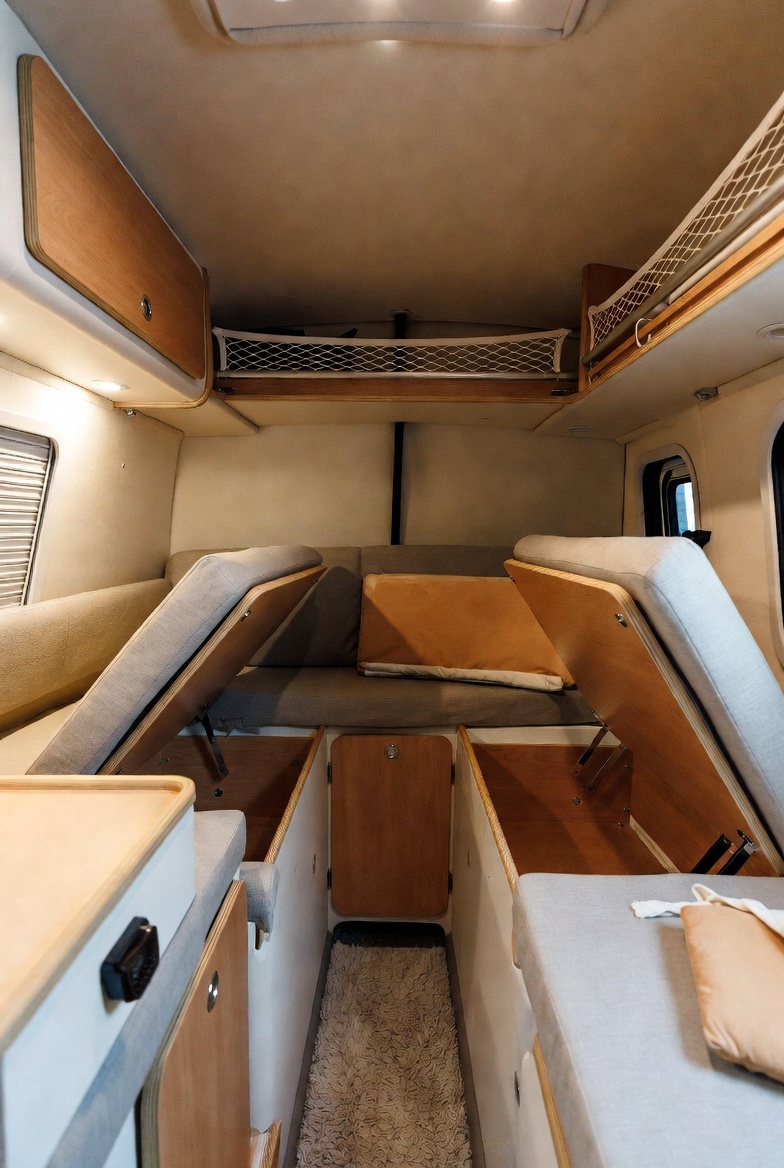
Storage is often the biggest challenge in a small camper interior, but it is also where the greatest transformation can occur. When storage is designed thoughtfully, it reduces clutter and allows the space to feel calm and organized.
Vertical storage is one of the most effective strategies. Walls, doors, and cabinet sides offer valuable real estate that often goes unused. Slim shelves, hanging organizers, and wall-mounted hooks provide easy access without taking up floor space. In a small camper interior, vertical storage keeps essential items within reach while preserving openness.
Hidden storage solutions add both function and visual simplicity. Seating with built-in compartments, beds with lift-up platforms, and fold-down tables with storage behind them allow items to be tucked away neatly. These solutions prevent clutter from overwhelming the limited space and make everyday living more comfortable.
Custom storage can make a dramatic difference in a small camper interior. Pre-made cabinets and organizers do not always fit unique camper dimensions. Custom-built solutions ensure that every inch is used efficiently, especially in awkward corners or narrow spaces. Even simple modifications, such as resizing shelves or adding dividers, can greatly improve usability.
Decluttering is just as important as adding storage. A small camper interior benefits from intentional choices about what items truly belong in the space. Reducing duplicates and unnecessary belongings makes storage more effective and the interior more peaceful.
When storage is thoughtfully integrated, it becomes part of the design rather than an obstacle. A well-organized small camper interior feels larger, more functional, and far easier to enjoy on the road.
Design, Color, and Lighting Choices That Open Up Small Spaces
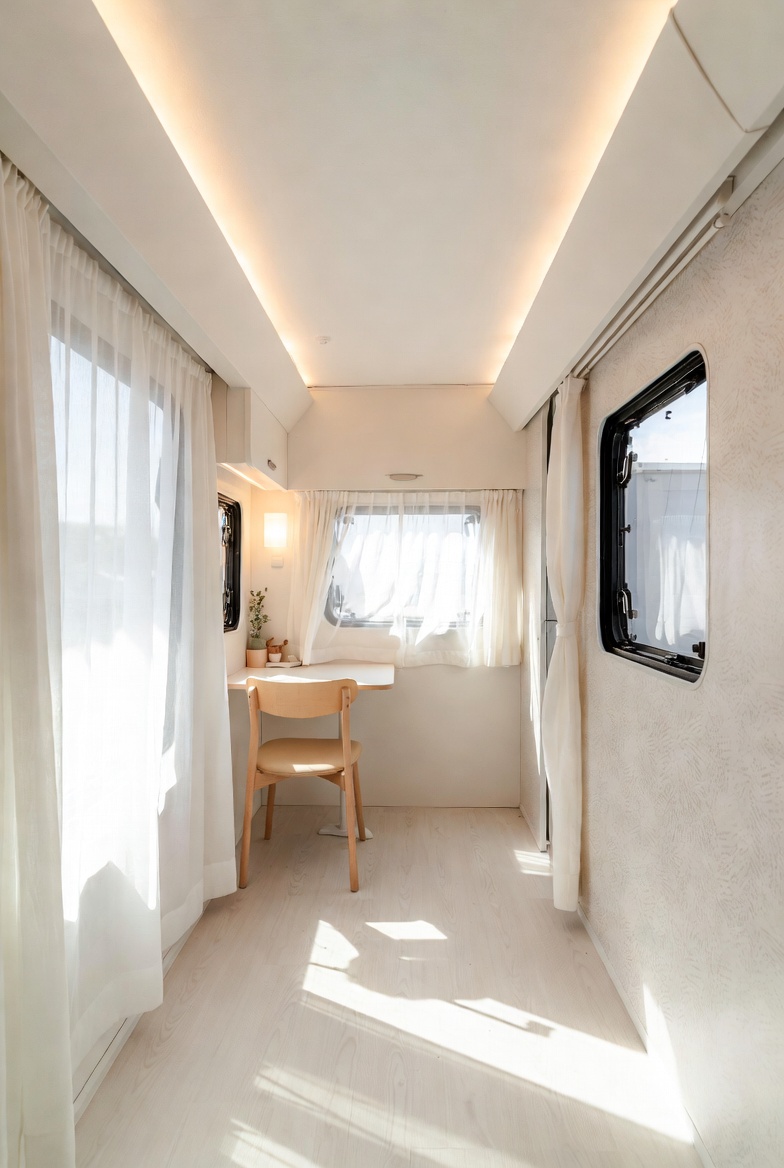
Design choices have a powerful impact on how spacious a small camper interior feels. Color, texture, and lighting work together to create visual openness and comfort.
Light colors are commonly used to make small spaces feel larger. Soft whites, warm neutrals, and pale wood tones reflect light and create an airy atmosphere. This does not mean the space must feel plain. Accents in muted blues, greens, or earth tones add character without overwhelming the interior.
Consistency in materials helps maintain visual flow. Using the same or similar finishes for cabinetry, flooring, and countertops prevents the space from feeling broken up. In a small camper interior, fewer visual interruptions create a smoother and more expansive appearance.
Lighting plays a central role in transforming the interior. Natural light should be maximized whenever possible through clean windows and minimal coverings. For artificial lighting, layered approaches work best. Overhead lights provide general illumination, while task lighting supports cooking, reading, or working. Soft accent lighting adds warmth and depth.
Mirrors and reflective surfaces can subtly enhance a small camper interior. Strategically placed mirrors bounce light around the space and give the illusion of added depth. Glossy finishes on cabinets or backsplashes can have a similar effect without appearing overly decorative.
Textiles and décor should be chosen with restraint. Lightweight fabrics, minimal patterns, and simple textures keep the space feeling calm. Thoughtful décor adds personality, but too many decorative elements can quickly make a small camper interior feel crowded.
Functional Furniture and Multifunctional Features That Save Space
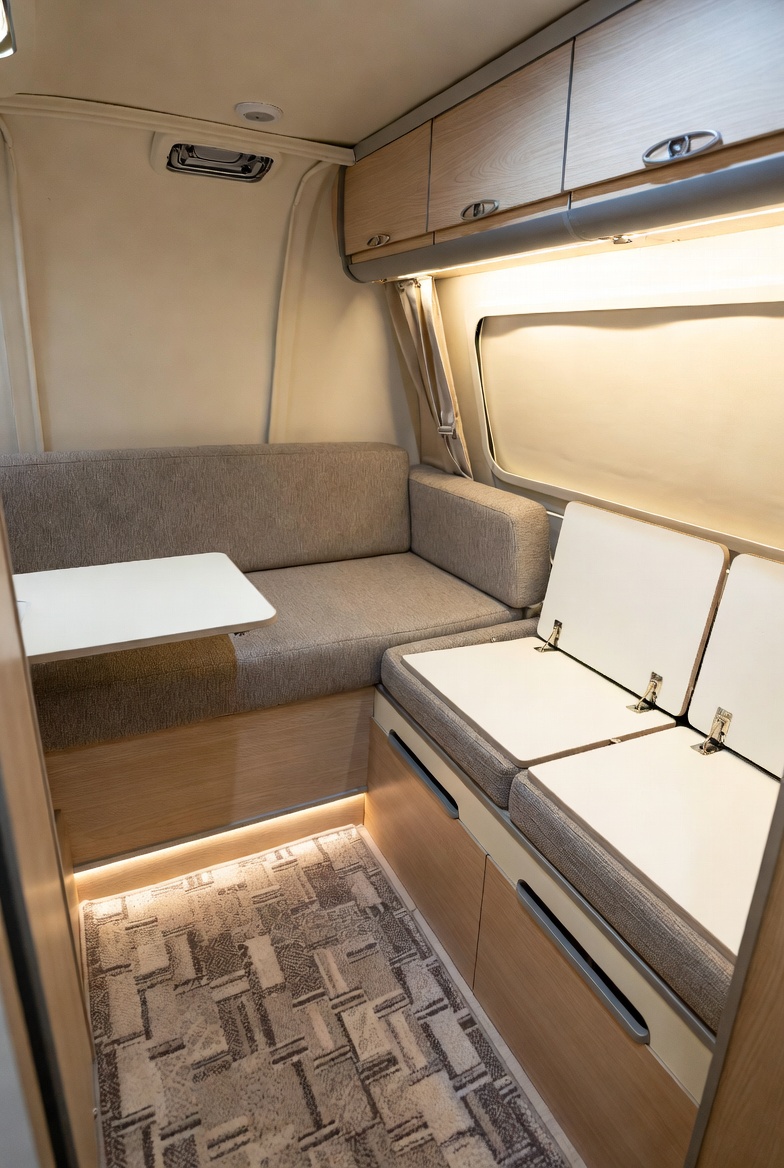
Furniture selection is critical in any small camper interior makeover. Every piece should serve a clear purpose and ideally offer more than one function.
Multifunctional furniture allows the interior to adapt throughout the day. Seating that converts into sleeping areas, tables that fold away when not in use, and benches with built-in storage all help maximize limited space. These features allow the camper to feel spacious during the day and comfortable at night.
Scale matters greatly in a small camper interior. Oversized furniture can overwhelm the space and limit movement. Choosing slim profiles and lightweight designs keeps the interior feeling open and flexible. Custom or modular furniture often fits better than standard household pieces.
Flexibility is another key consideration. Furniture that can be easily moved or adjusted allows the interior to change based on needs. A removable table or sliding seating arrangement makes the space more versatile and user-friendly.
Comfort should not be sacrificed for function. Cushions, mattresses, and seating materials should be chosen carefully to ensure long-term comfort. A well-designed small camper interior balances practicality with livability, making it suitable for extended trips or full-time use.
When furniture is chosen intentionally, it becomes an asset rather than a limitation. The right pieces allow the camper interior to support daily routines while still feeling open and inviting.
FAQs About Small Camper Interior Makeovers
How do I make a small camper interior feel bigger?
Using light colors, maximizing natural light, choosing slim furniture, and keeping clutter to a minimum all help a small camper interior feel more spacious. Thoughtful layout planning also plays a major role.
Is custom storage worth it in a small camper interior?
Custom storage is often worth the investment because it ensures that every inch is used efficiently. It is especially helpful for irregular spaces where standard storage solutions may not fit well.
Can a small camper interior still feel comfortable for long trips?
Yes, with proper planning and functional furniture, a small camper interior can be very comfortable for extended travel. Comfort comes from smart layouts, good storage, and intentional design choices.
What colors work best in a small camper interior?
Light neutrals, soft whites, and warm wood tones are popular because they reflect light and create openness. Subtle accent colors can add personality without overwhelming the space.
How important is lighting in a small camper interior makeover?
Lighting is extremely important. Good lighting improves visibility, enhances mood, and makes the space feel larger. A combination of natural light and layered artificial lighting works best.
Conclusion
A small camper interior may have limited square footage, but it holds unlimited potential. With thoughtful layout planning, smart storage solutions, intentional design choices, and functional furniture, even the smallest camper can feel spacious, organized, and comfortable. The key is to view every inch as valuable and design with purpose.
By focusing on flexibility, light, and efficient use of space, a small camper interior makeover can transform the way you live and travel. Whether you are updating a weekend getaway camper or creating a full-time mobile home, these strategies help you make the most of what you have. In the end, a well-designed small camper interior proves that great living does not depend on size, but on thoughtful design and smart choices.