Last Updated on March 17, 2026 by John Tim
A living room is often the emotional center of a home. It’s where people relax after a long day, host conversations with friends, or spend quiet moments with family. Yet many living rooms become cluttered, chaotic, and visually overwhelming over time. Too much furniture, excessive décor, and mismatched colors can create a space that feels stressful rather than calming. This is where the concept of a minimalist living room becomes powerful.
Minimalist interior design focuses on simplicity, intentionality, and visual clarity. Instead of filling a room with unnecessary items, the goal is to create a balanced environment where every piece has purpose and meaning. A well-designed minimalist living room allows natural light, open space, and thoughtful design choices to take center stage. The result is a space that feels peaceful, organized, and welcoming.
In recent years, minimalist design has gained popularity among homeowners and apartment dwellers alike. People are increasingly drawn to interiors that support mental clarity, relaxation, and functionality. A minimalist living room is not about having an empty space or removing personality from your home. Instead, it is about carefully selecting furniture, colors, and textures that work together to create a calm and cohesive atmosphere.
Whether you are redesigning your entire living area or simply looking to reduce clutter and refresh your décor, understanding minimalist living room design principles can transform how your home feels and functions.
The Philosophy Behind a Minimalist Living Room
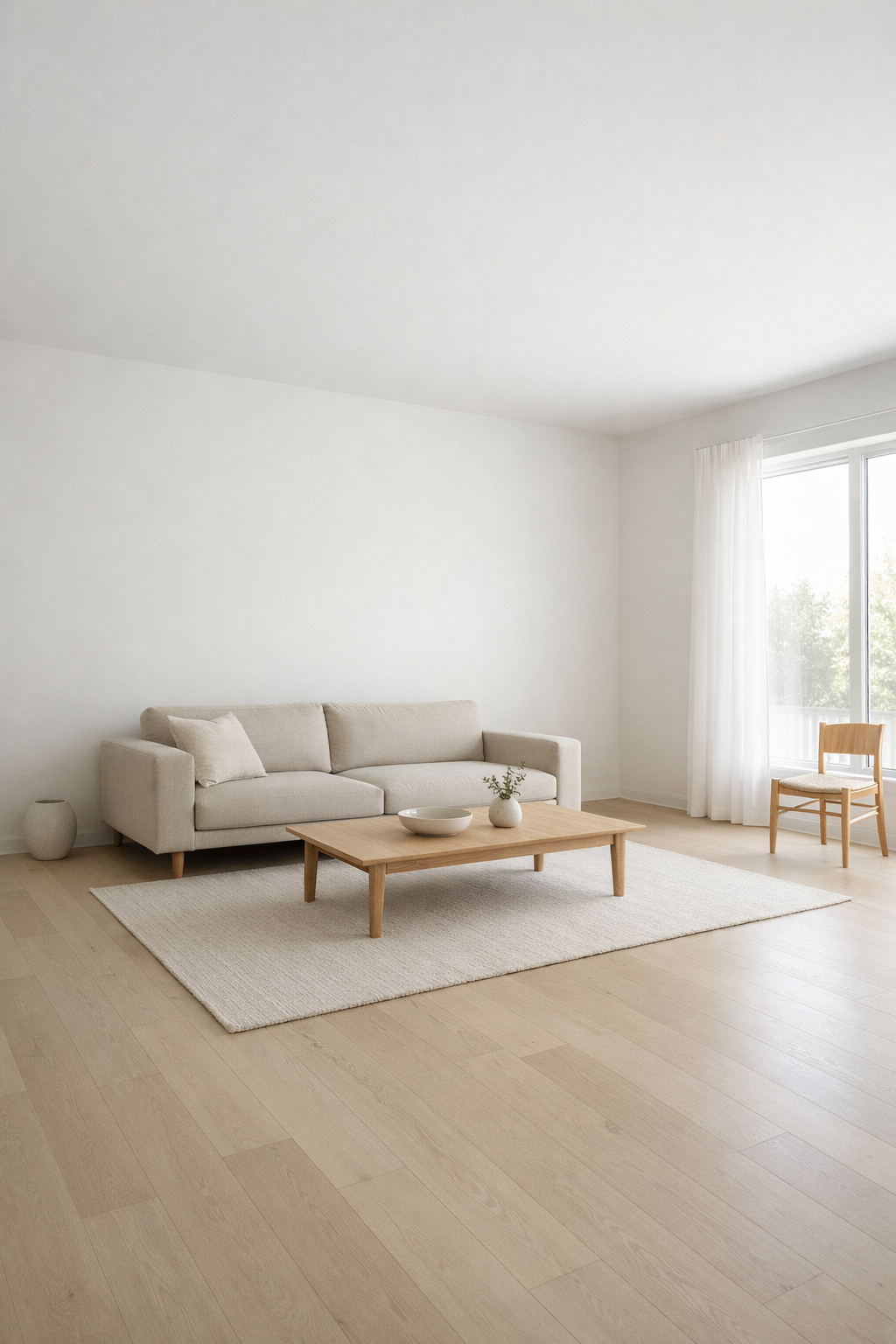
Minimalism in interior design is rooted in the idea that less can often be more. A minimalist living room does not aim to eliminate comfort or warmth. Instead, it focuses on removing visual noise so that the most important elements of the room stand out.
At its core, minimalist design values intentional living. Every item placed in the room should have a clear purpose. Furniture should serve both practical and aesthetic roles, while decorative elements should enhance the overall feeling of calm rather than distract from it.
The layout of a minimalist living room often emphasizes openness and balance. Instead of overcrowding the room with multiple sofas, tables, and accessories, the space is organized around a few key pieces that define the environment. This approach helps maintain a sense of visual breathing room that makes the area feel larger and more inviting.
Another important aspect of minimalism is functionality. A minimalist living room is designed to make everyday living easier. Furniture tends to be simple, comfortable, and practical, allowing the space to support relaxation and social interaction without unnecessary complications.
Minimalism also encourages mindful consumption. Rather than constantly buying new decorative items, the focus shifts toward investing in a smaller number of high-quality pieces that will remain timeless and durable over time.
Choosing the Right Color Palette for a Minimalist Living Room
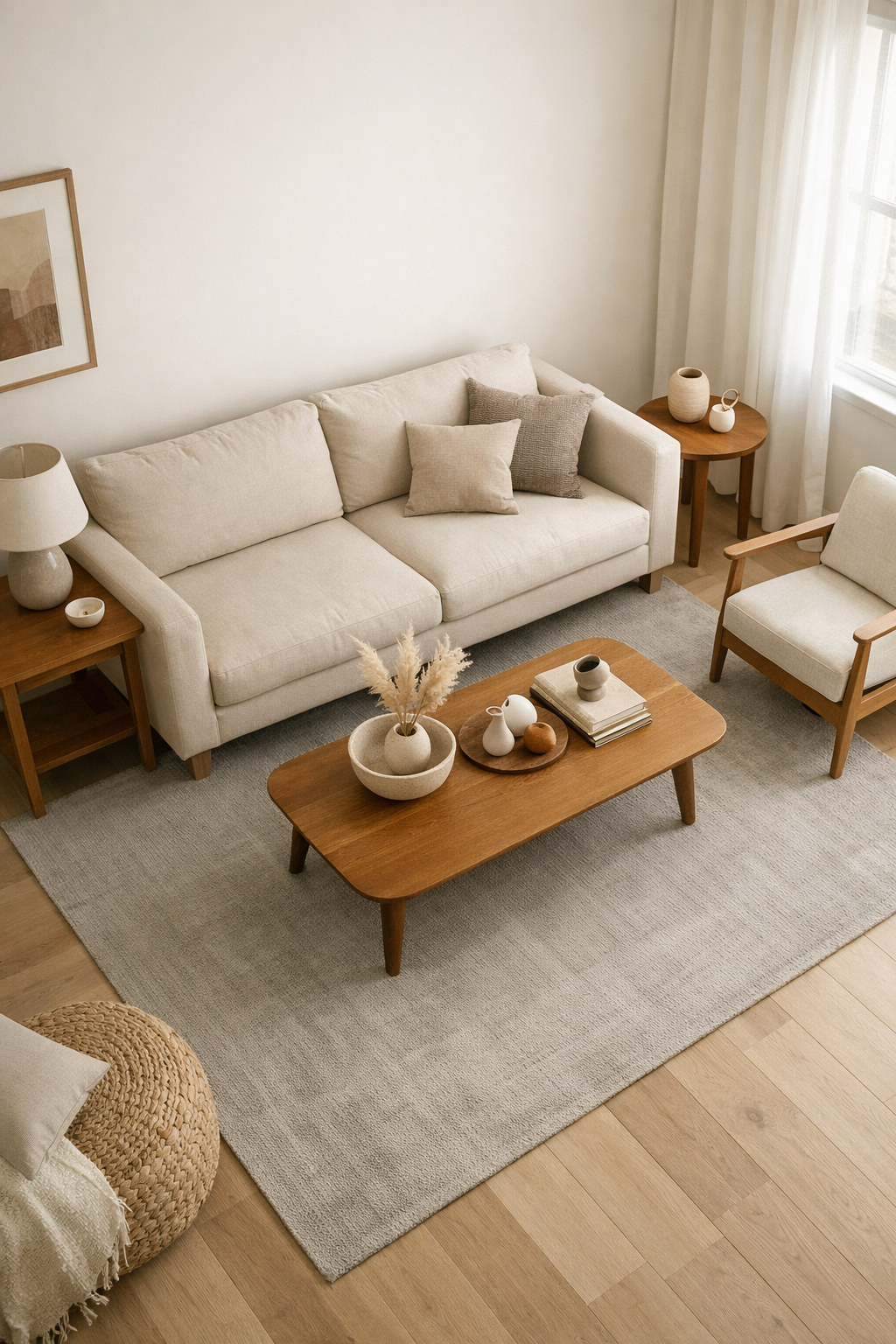
Color plays a major role in shaping the mood of any interior space, and in a minimalist living room it becomes even more important. Since the design relies on fewer objects and decorative elements, colors help define the overall atmosphere of the room.
Neutral tones are commonly associated with minimalist interiors because they create a calm and cohesive environment. Shades such as white, beige, soft gray, and warm taupe provide a clean visual foundation that allows furniture and textures to stand out without overwhelming the senses.
A minimalist living room often uses a limited color palette to maintain harmony. Instead of mixing many bold colors, the design typically focuses on subtle variations of the same tone. This creates depth while keeping the overall appearance balanced and uncluttered.
Natural colors inspired by the outdoors can also enhance a minimalist living room. Soft greens, muted blues, and earthy browns can introduce warmth without disrupting the calm atmosphere. These tones help create a connection between indoor spaces and nature, which is an important concept in many minimalist design styles.
Lighting also influences how colors appear within the room. Natural daylight works especially well with neutral tones, making the space feel open and airy. When artificial lighting is used thoughtfully, it can enhance the softness and warmth of the chosen palette.
Ultimately, the goal is to create a color scheme that feels peaceful and consistent throughout the living space.
Essential Furniture for a Minimalist Living Room
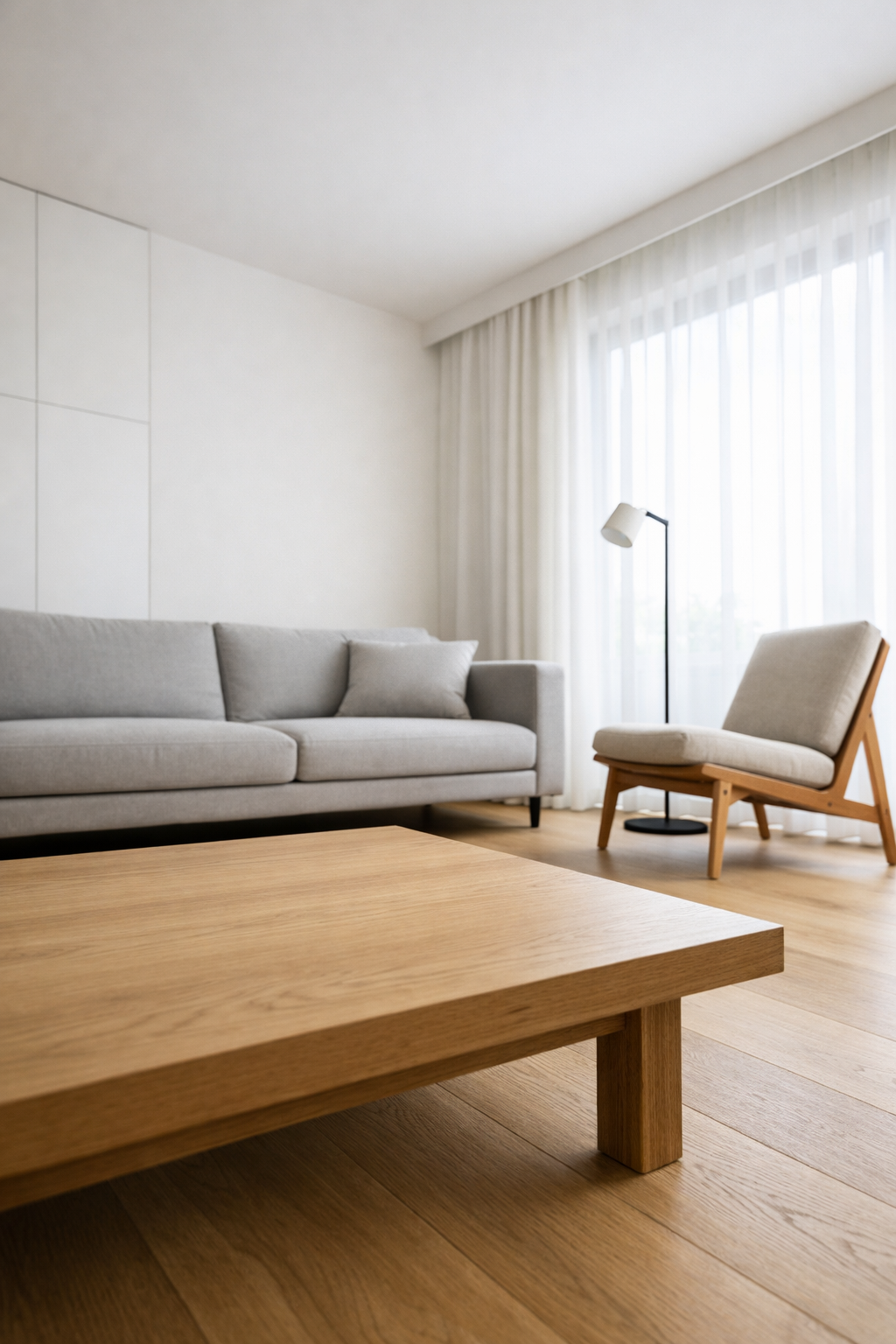
Furniture in a minimalist living room is selected with careful attention to both form and function. Instead of filling the room with many pieces, the design focuses on a few well-chosen items that provide comfort while maintaining visual simplicity.
The sofa often becomes the centerpiece of the room. In a minimalist living room, sofas usually feature clean lines, neutral upholstery, and simple silhouettes. The design avoids heavy ornamentation or overly complex shapes. This allows the sofa to blend naturally into the room while still offering a comfortable place to relax.
Coffee tables and side tables also follow the principle of simplicity. Materials such as wood, glass, or metal are commonly used because they create a refined and modern appearance. Tables with sleek shapes and minimal detailing help maintain the uncluttered look that defines minimalist interiors.
Storage furniture plays a particularly important role in maintaining a minimalist living room. Hidden storage solutions allow everyday items to be organized without adding visual clutter. Cabinets with smooth surfaces and subtle finishes help keep the room tidy while preserving the minimalist aesthetic.
Scale and proportion are also important when selecting furniture. Oversized pieces can overwhelm the space, while furniture that is too small may feel disconnected. A well-balanced minimalist living room ensures that each piece fits naturally within the room’s layout.
The key is to choose furniture that supports comfort, practicality, and visual harmony.
Creating Visual Balance Through Layout and Space
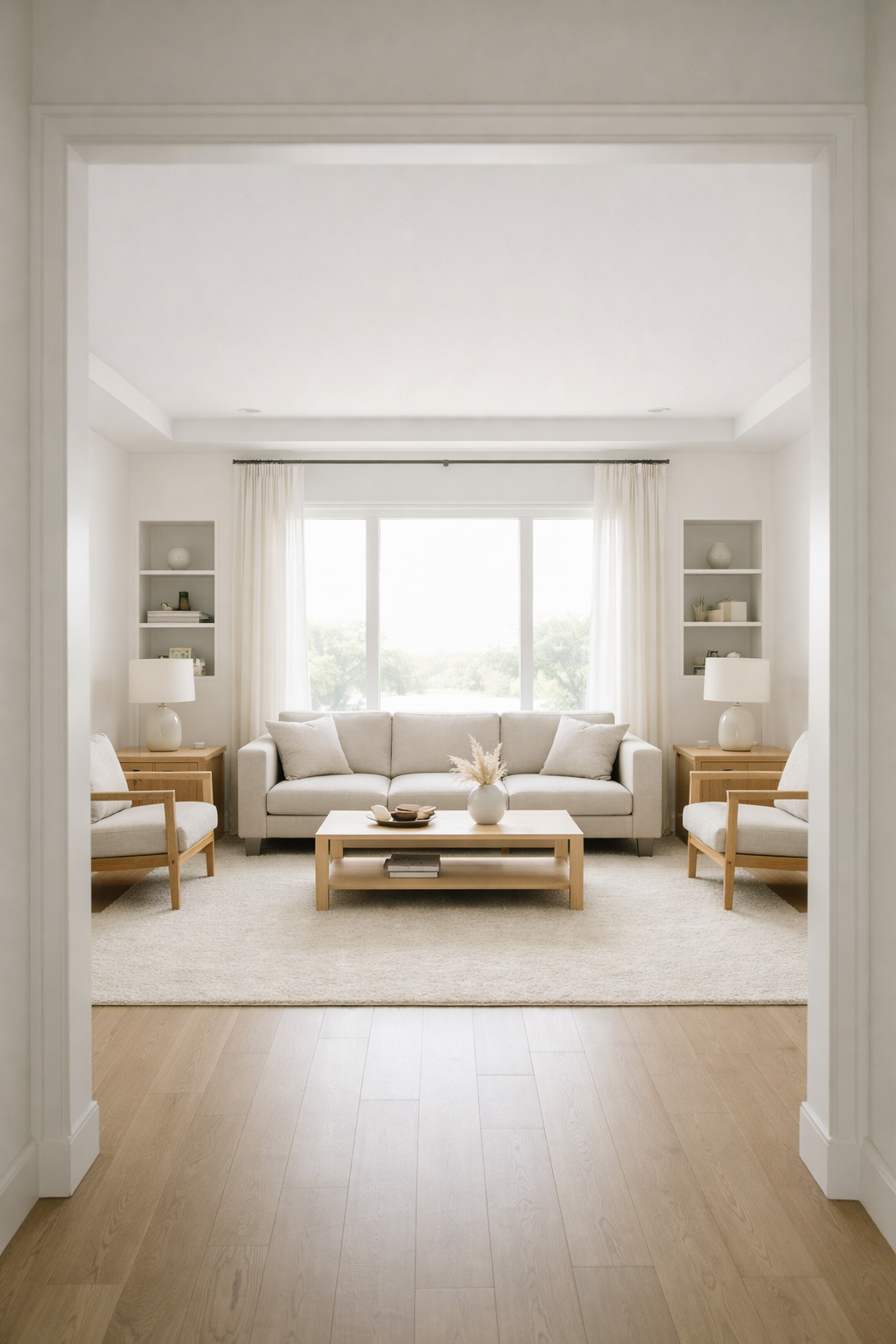
One of the defining characteristics of a minimalist living room is the sense of openness it provides. Layout and spacing play a crucial role in achieving this effect.
A thoughtful arrangement allows the room to feel organized without appearing empty. Furniture is typically placed in a way that encourages natural movement and conversation. Instead of pushing everything against the walls, pieces are often arranged to create comfortable gathering areas that feel intentional and welcoming.
Negative space is a powerful design tool in minimalist interiors. This refers to the empty areas surrounding furniture and décor. In a minimalist living room, negative space helps highlight key elements while preventing the room from feeling crowded.
Large windows and natural light can significantly enhance the layout of a minimalist living room. When sunlight fills the space, it emphasizes the simplicity of the design and creates a warm, inviting atmosphere.
Another important consideration is visual flow. The layout should guide the eye smoothly across the room without distractions. Clean lines, aligned furniture, and consistent spacing help create this sense of harmony.
By focusing on thoughtful placement rather than quantity, a minimalist living room achieves both functionality and elegance.
Textures and Natural Elements That Add Warmth
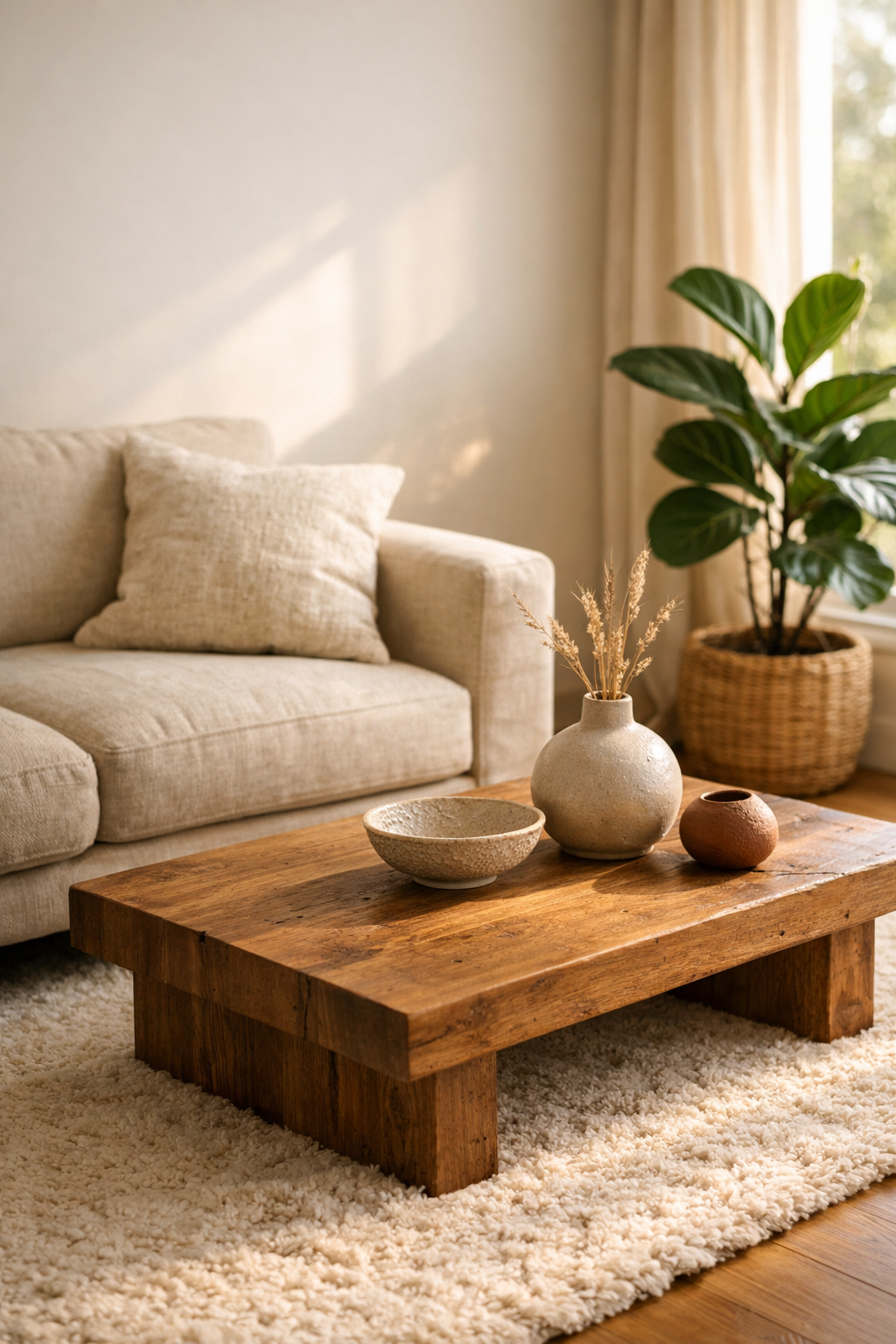
While minimalist interiors are known for their simplicity, they should never feel cold or sterile. Texture and natural materials are essential for adding warmth and personality to a minimalist living room.
Soft fabrics such as cotton, linen, and wool can introduce subtle comfort without overwhelming the design. A carefully chosen rug or a few cushions can create a welcoming atmosphere while maintaining the overall minimalist aesthetic.
Wood is one of the most effective materials for bringing warmth into a minimalist living room. Natural wood tones provide contrast against neutral walls and furniture, helping the space feel grounded and balanced.
Plants are another valuable addition to minimalist interiors. A single well-placed plant can introduce life and color while reinforcing the connection to nature. Greenery also enhances the calming qualities that make minimalist living rooms so appealing.
Stone, ceramic, and glass textures can further enrich the design by adding subtle variations in surface and reflection. These materials contribute depth while maintaining the clean, refined appearance of the room.
When textures are used thoughtfully, they prevent a minimalist living room from feeling overly simple while preserving its calm and uncluttered character.
Frequently Asked Questions (FAQs)
What defines a minimalist living room?
A minimalist living room is defined by simplicity, intentional design, and reduced visual clutter. It typically includes neutral colors, clean-lined furniture, and a limited number of decorative elements. The focus is on creating a calm environment where each item serves a clear purpose.
How do you make a minimalist living room feel cozy?
Cozy minimalist spaces often rely on textures, soft lighting, and natural materials. Elements such as warm fabrics, wooden furniture, and subtle lighting can make the room feel comfortable while maintaining a simple design.
Can a minimalist living room still have personality?
Yes, personality can still shine in a minimalist living room. Carefully chosen artwork, plants, or unique furniture pieces can reflect personal style without overwhelming the space. The key is to keep décor meaningful and intentional.
What colors work best in a minimalist living room?
Neutral tones like white, beige, gray, and soft earth colors work best in minimalist interiors. These shades create a calm background that enhances the simplicity of the design while allowing textures and natural materials to stand out.
Is minimalism suitable for small living rooms?
Minimalist design is particularly effective for smaller living spaces. By reducing clutter and focusing on functional furniture, a minimalist living room can appear larger and more organized.
Conclusion
Designing a minimalist living room is about much more than simply removing excess items. It is a thoughtful approach to creating a space that supports relaxation, clarity, and everyday comfort. By focusing on intentional design choices, homeowners can transform their living areas into environments that feel balanced and inviting.
A well-designed minimalist living room combines clean lines, calming colors, and purposeful furniture to create a harmonious atmosphere. The careful use of space allows the room to breathe, while natural materials and textures ensure that the design remains warm and welcoming.
Minimalism encourages a shift in perspective, moving away from clutter and toward mindful living. When each element in a room is chosen with care, the result is a space that feels both elegant and deeply functional.
Ultimately, a minimalist living room offers more than visual simplicity. It provides a peaceful environment where people can relax, connect, and enjoy the quiet beauty of a thoughtfully designed home.