Last Updated on February 19, 2026 by John Tim
Camping doesn’t have to mean investing in a pile of specialized gear or gadgets. Many of the most effective solutions come from everyday household items that you likely already have tucked away in drawers, closets, or the recycling bin. These simple DIY camping hacks focus on practicality, resourcefulness, and keeping costs low while making your outdoor experience smoother and more enjoyable. From lighting up your site without extra lanterns to starting a fire reliably or keeping things organized, these ideas stem from real camping experiences where improvisation turned potential frustrations into clever fixes. Whether you’re a beginner heading out for your first trip or a regular camper looking to streamline your setup, these homemade approaches prove that creativity often beats buying new equipment. Let’s explore ways to repurpose common items into essential camping tools.
Lighting and Visibility Solutions
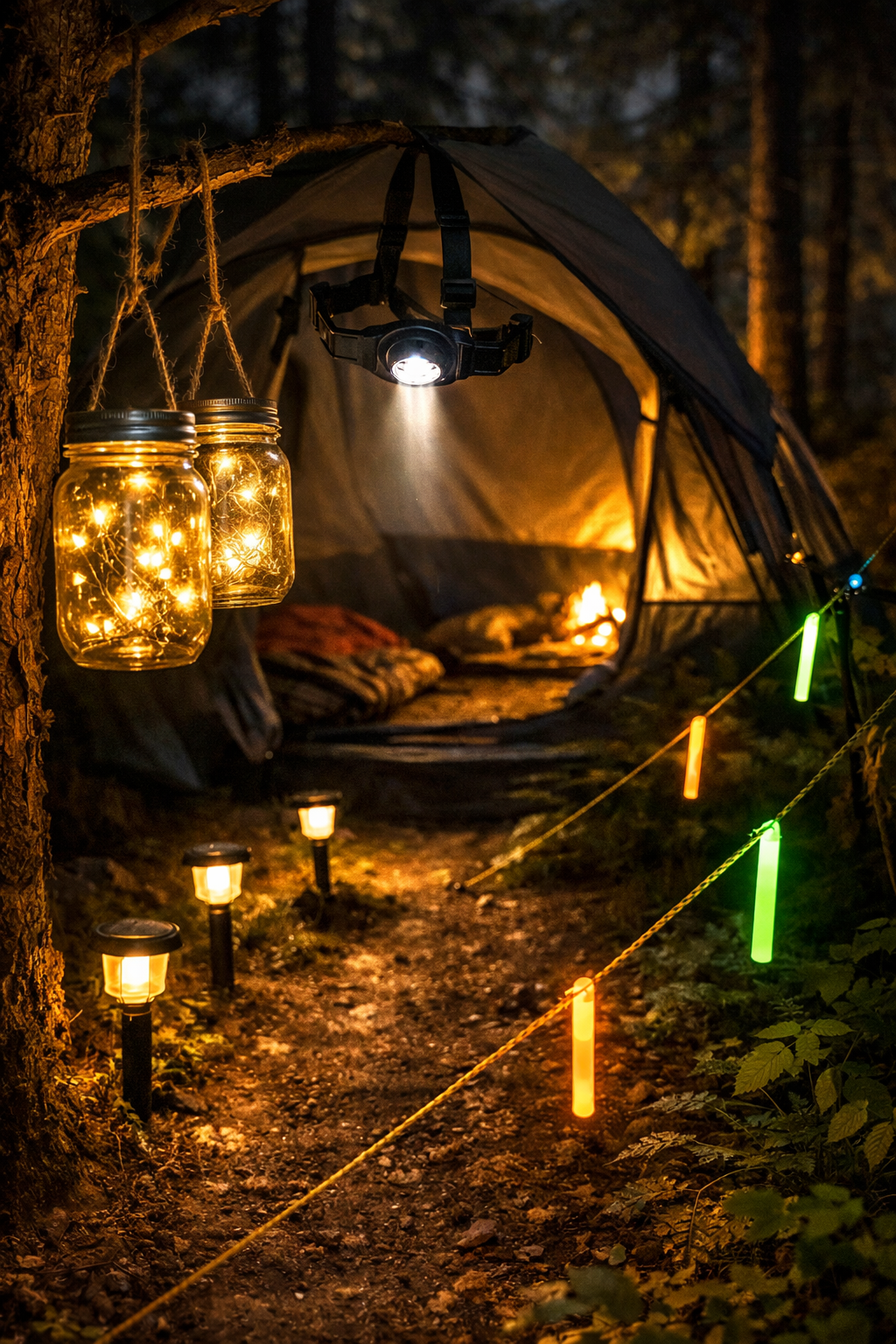
One of the simplest yet most transformative DIY camping hacks involves turning a basic headlamp into a powerful area light. Strap your headlamp around a clear plastic gallon jug or large water bottle filled with water, positioning the light to face inward. The water acts as a diffuser, spreading the beam evenly across your campsite and creating a soft, lantern-like glow that illuminates a surprising radius without blinding anyone. This works especially well for evening meals or reading inside the tent, and it uses no additional batteries beyond what’s already in your headlamp.
For even more ambient illumination, drop a few glow sticks into an empty clear bottle or jar you have lying around. Shake them up, seal the lid, and place them around your site or hang them from branches. These provide gentle light for hours without any power source. If you have old Christmas string lights that run on batteries, bring them along to drape over your tent or a nearby tree for a cozy atmosphere that feels far from basic.
Fire Starting and Maintenance Ideas
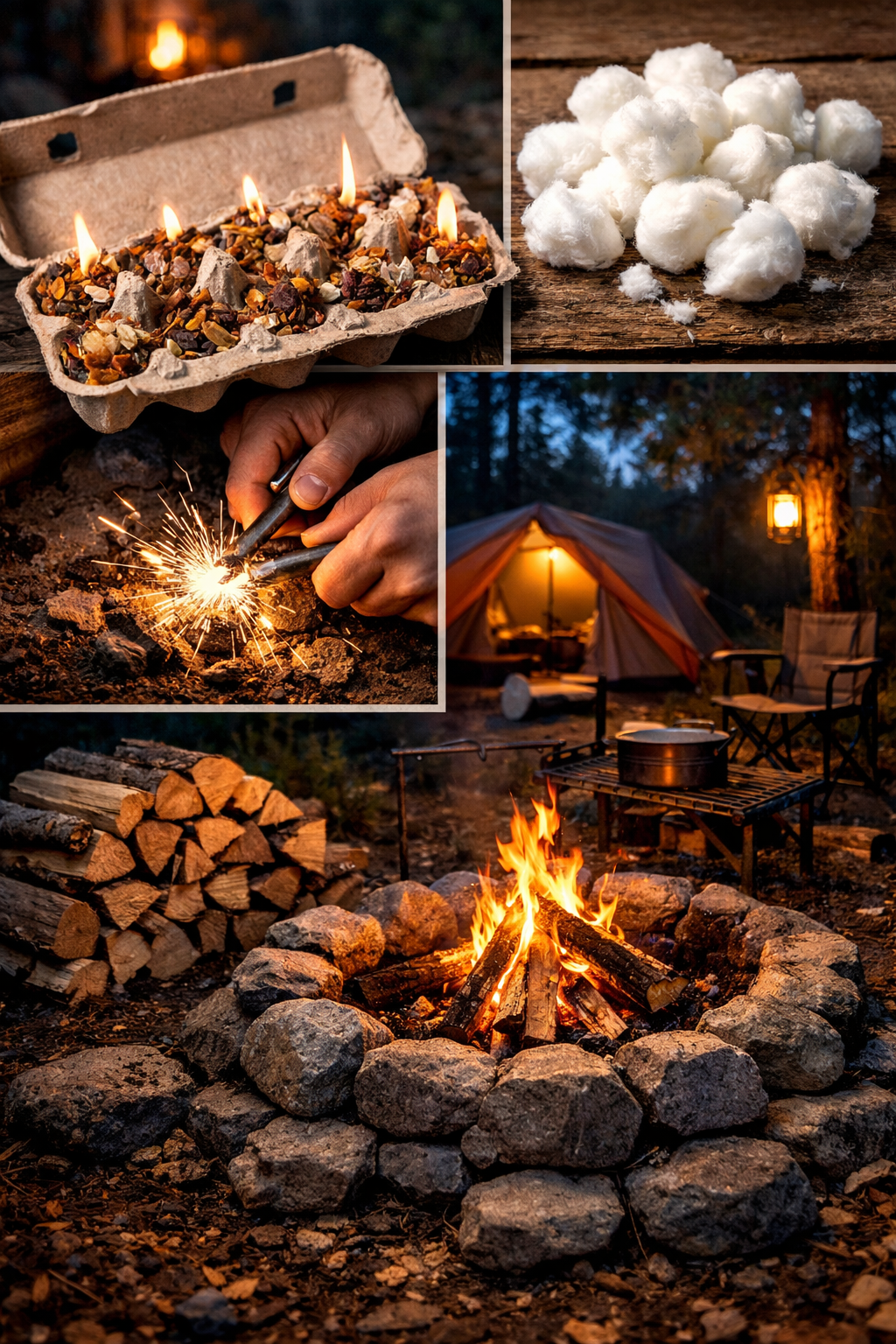
Reliable fire starters rank among the top priorities for any camping trip, and household items excel here. Gather dryer lint from your laundry trap—it’s highly flammable—and stuff it tightly into empty toilet paper rolls or cardboard egg carton sections. Seal the ends with wax from old candles or petroleum jelly if available, and you’ll have lightweight, easy-to-light fire starters that ignite quickly even in damp conditions. Cotton balls coated in petroleum jelly offer another effective option; store them in a small zip bag for transport.
Stale chips like Doritos or other oily snacks serve as impromptu tinder. Their fat content helps them catch fire readily, making them perfect for getting kindling going when matches struggle. For kindling itself, collect dry twigs around your site, but if rain threatens, bring along newspaper strips rolled tightly or cardboard pieces from packaging to build a base.
Once the fire is going, maintain it by using rocks or logs to create a windbreak. If you have an old metal can, turn it into a simple reflector by placing it behind the flames to direct heat toward your seating area.
Kitchen and Food Prep Tricks
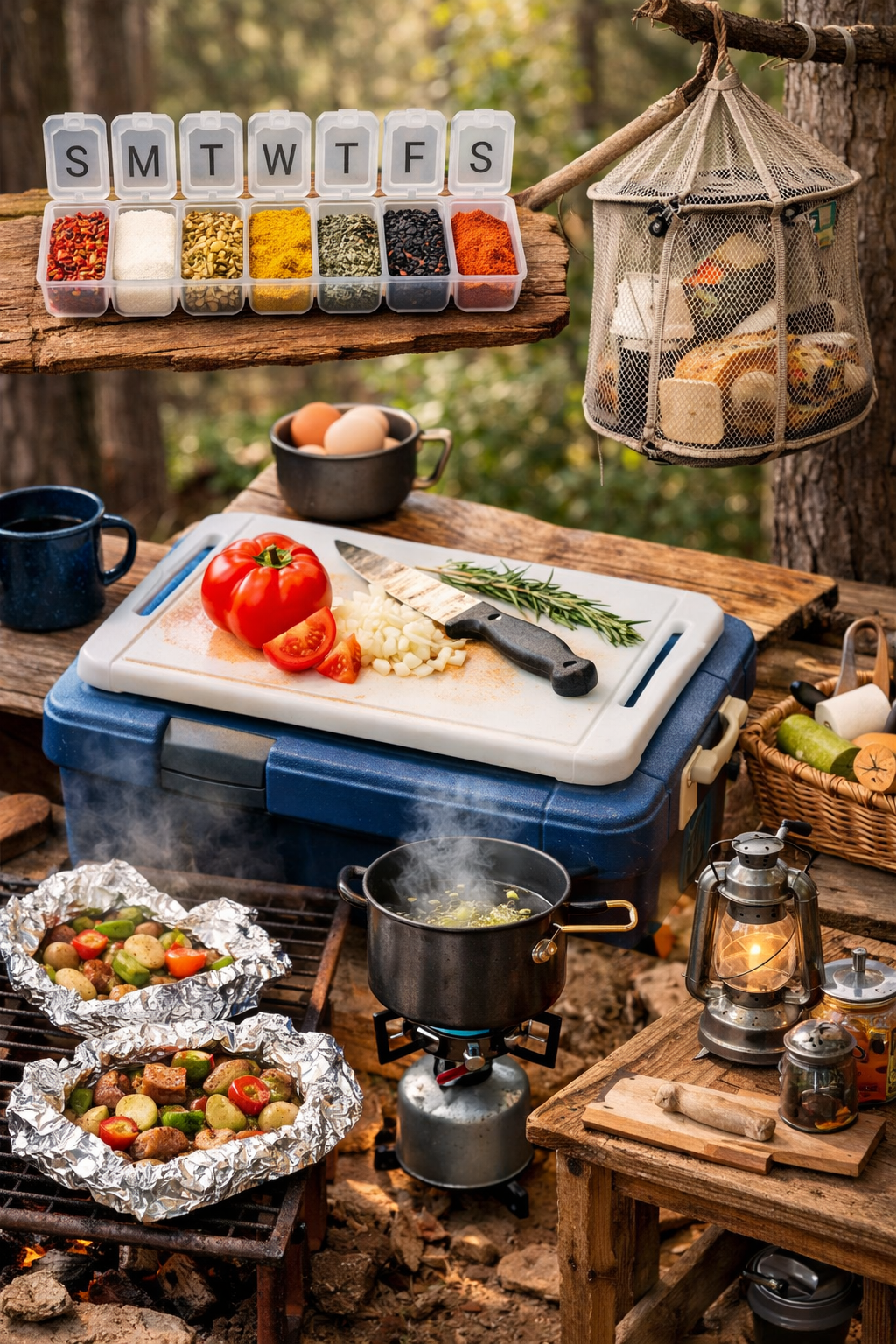
The camp kitchen benefits enormously from household repurposing. Freeze water in large plastic bottles or milk jugs at home to use as long-lasting ice blocks in your cooler. As they thaw, they provide cold drinking water without the mess of melting ice cubes. Pre-portion spices into empty Tic Tac containers or small jars from your pantry to keep flavors handy without bulky packaging.
For cooking, create single-use soap portions by slicing a bar of soap into small pieces and storing them in a plastic bag. This avoids carrying a wet, slippery full bar and reduces waste. Dishwashing becomes simpler with a three-basin system using buckets or large bowls you already own: one for soapy water, one for rinse, and one with boiling water for sanitizing. Use aluminum foil to wrap food packets for cooking directly on coals—potatoes, veggies, or even banana boats with chocolate and marshmallows cook evenly this way.
To keep bugs off food, cover plates with shower caps or upside-down bowls from home. These makeshift lids work better than loose foil in windy conditions.
Organization and Storage Solutions
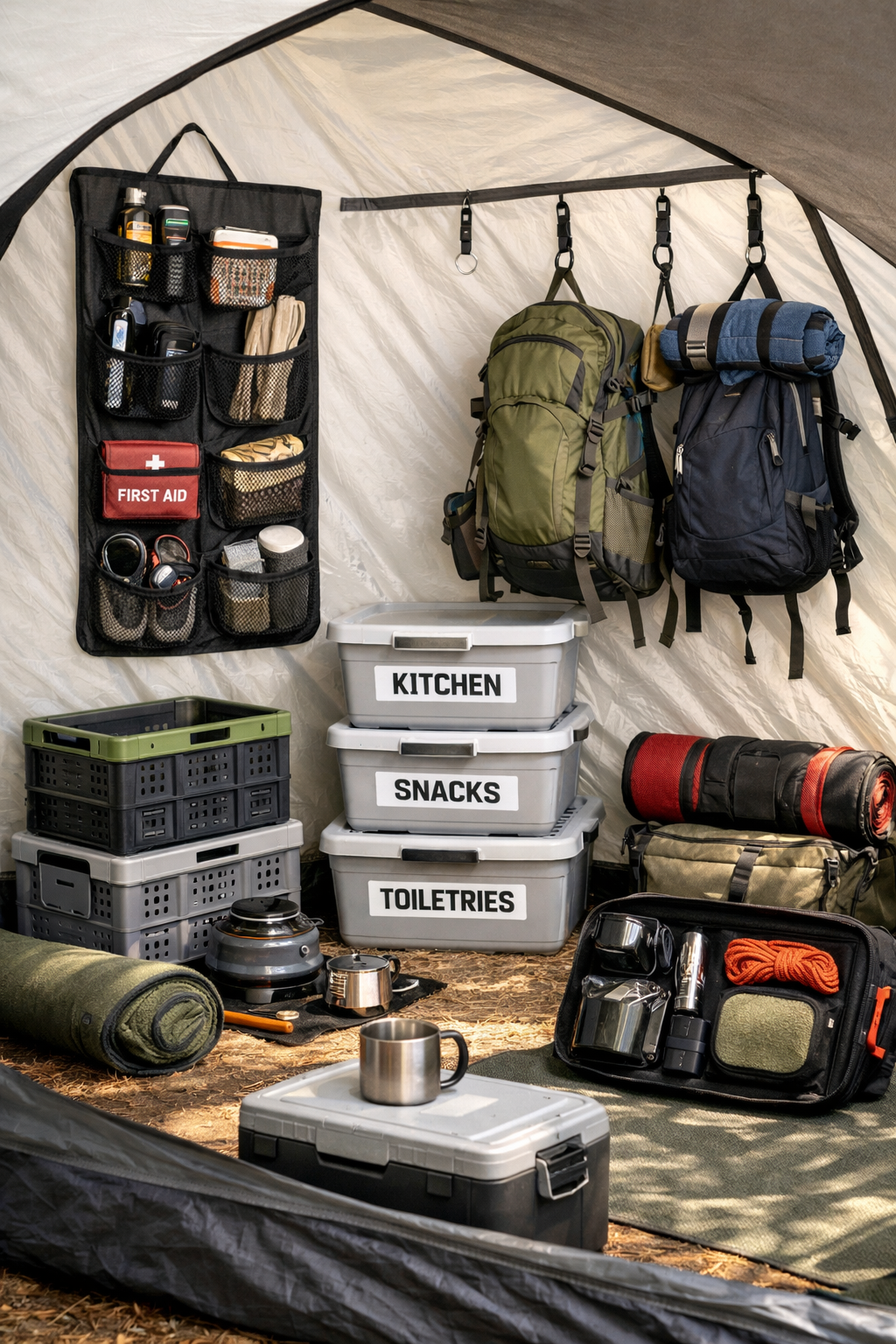
Keeping gear tidy prevents chaos, and household organizers shine here. Hang an over-the-door shoe organizer from a tree branch, tent pole, or car hatch using bungee cords or rope. Fill the pockets with sunscreen, bug spray, flashlights, toiletries, keys, and small tools—everything stays visible and accessible. Mesh laundry bags serve multiple purposes: store dirty clothes, hang wet towels to dry, or corral loose items like utensils.
For sleeping area organization, use empty plastic bins or crates from your garage as side tables or under-bed storage. Stack clothes in zip-top bags labeled by day or type to save space and stay dry. A simple belt or old strap wrapped around a tree with S-hooks (or even sturdy paper clips) creates a hanging station for pots, lanterns, or bags.
Comfort and Shelter Enhancements
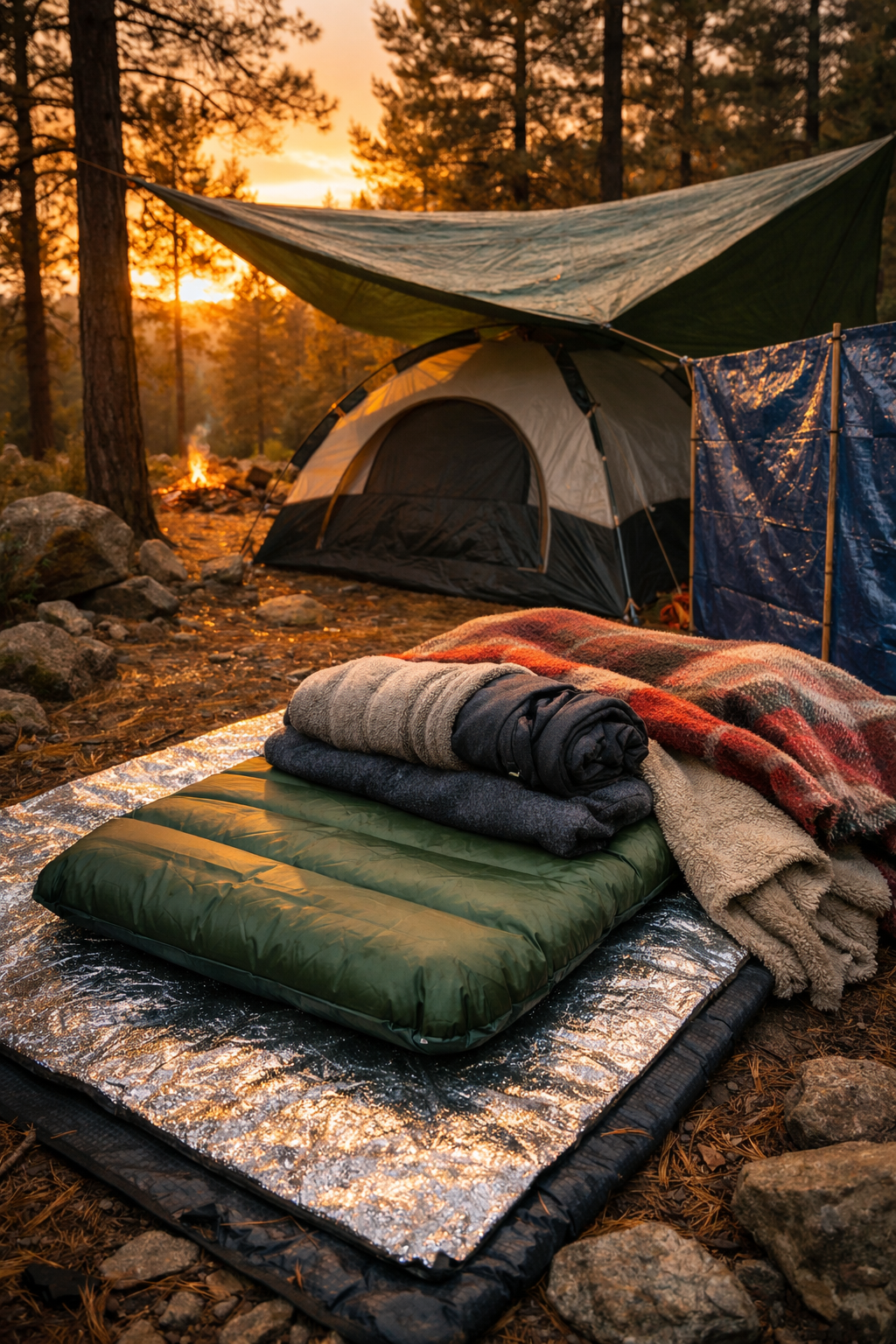
Inside the tent, add comfort with items from home. Layer sleeping pads with old blankets or yoga mats for extra insulation and cushioning. Stuff clean clothes into a pillowcase or stuff sack to make a soft, supportive pillow. Rub candle wax or soap along tent zippers to keep them gliding smoothly and prevent sticking in cold or sandy conditions.
For rain protection, drape a large trash bag or tarp over your backpack or gear when moving in wet weather. Cut arm and head holes in a heavy-duty trash bag to create an emergency poncho if sudden downpours catch you off guard.
To deter insects, apply petroleum jelly around tent zippers or seams as a barrier. Hang a small fan powered by batteries if you have one, or use frozen water bottles as cooling elements near your sleeping area on hot nights.
Safety and Miscellaneous Tips
Safety hacks often rely on everyday essentials. Keep a small repair kit in a zip bag: duct tape for quick patches on tents or gear, needle and thread for tears, and zip ties for securing loose parts. A multi-tool from your toolbox handles countless small tasks.
For personal hygiene, cut toothbrushes in half to save space, and pack mini versions of toothpaste or shampoo in travel bottles. Baby wipes serve as quick clean-ups when water is scarce.
Always store scented items away from the tent to avoid attracting wildlife, using sealed containers or hanging them high.
Frequently Asked Questions About DIY Camping Hacks
What household items make the best fire starters for camping?
Dryer lint stuffed into toilet paper rolls, cotton balls coated in petroleum jelly, and stale chips like Doritos work exceptionally well. These ignite easily and burn long enough to catch kindling.
How can I make a lantern using things I already have at home?
Strap a headlamp around a clear water jug filled with water—the water diffuses the light into a bright, even glow. Alternatively, place glow sticks inside a clear bottle for chemical light that lasts hours.
What are good ways to organize camping gear with everyday items?
Use an over-the-door shoe organizer hung from a tree or tent for small items, mesh laundry bags for wet or dirty gear, and zip-top bags for clothes and toiletries to keep everything sorted and dry.
How do I keep my cooler cold longer without buying ice packs?
Freeze water in large plastic bottles or milk jugs ahead of time. These act as durable ice blocks that provide cold drinks as they thaw, lasting longer than regular ice.
Can I use regular household items for camp cooking?
Yes—wrap food in aluminum foil for coal cooking, portion spices in empty containers like Tic Tacs, and create single-use soap pieces from a bar to simplify cleanup.
What simple hacks improve tent comfort using home stuff?
Add extra blankets or mats for padding, make pillows from stuffed clothes, and rub wax on zippers for smooth operation. Trash bags can serve as emergency rain covers or ponchos.
The Joy of Resourceful Camping
These simple DIY camping hacks demonstrate how ordinary household items can solve common outdoor challenges effectively and affordably. From fire starters made with dryer lint to diffused lighting from a water jug, organized storage with shoe pockets, and clever food prep using foil or frozen bottles, the emphasis remains on creativity over consumption. These approaches not only reduce what you need to pack but also foster a deeper appreciation for improvisation and sustainability in nature. By relying on what you already own, camping becomes more accessible, less burdensome, and infinitely more satisfying. Next time you head outdoors, look around your home first—the best tools for a great trip might already be waiting in your laundry room, kitchen, or recycling bin. Embrace the ingenuity, enjoy the simplicity, and let these homemade solutions help you focus on what truly matters: the peace and adventure of the great outdoors.