Last Updated on February 9, 2026 by John Tim
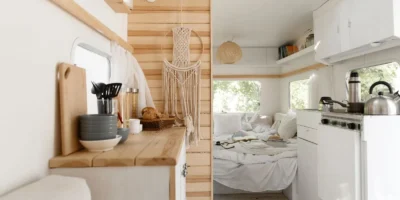
Creating a caravan interior that genuinely feels like home is no longer a niche idea reserved for full-time travelers. Today, caravan living represents freedom, comfort, and personal expression, whether you use your caravan for weekend escapes or extended journeys. Modern caravan interiors are thoughtfully designed to balance function and warmth, blending smart layouts with inviting details that make every trip feel effortless and personal.
A well-designed caravan interior does more than look good. It supports daily routines, reduces clutter, enhances relaxation, and adapts to different travel needs. With limited space and constant movement, every design choice matters. The goal is not to replicate a traditional house, but to capture its feeling of comfort, familiarity, and ease within a compact, mobile environment.
This guide explores stylish caravan interior ideas that prioritize livability, aesthetics, and practicality. Each section focuses on how thoughtful design decisions can transform a simple caravan into a space that truly feels like home.
Understanding the Heart of a Comfortable Caravan Interior
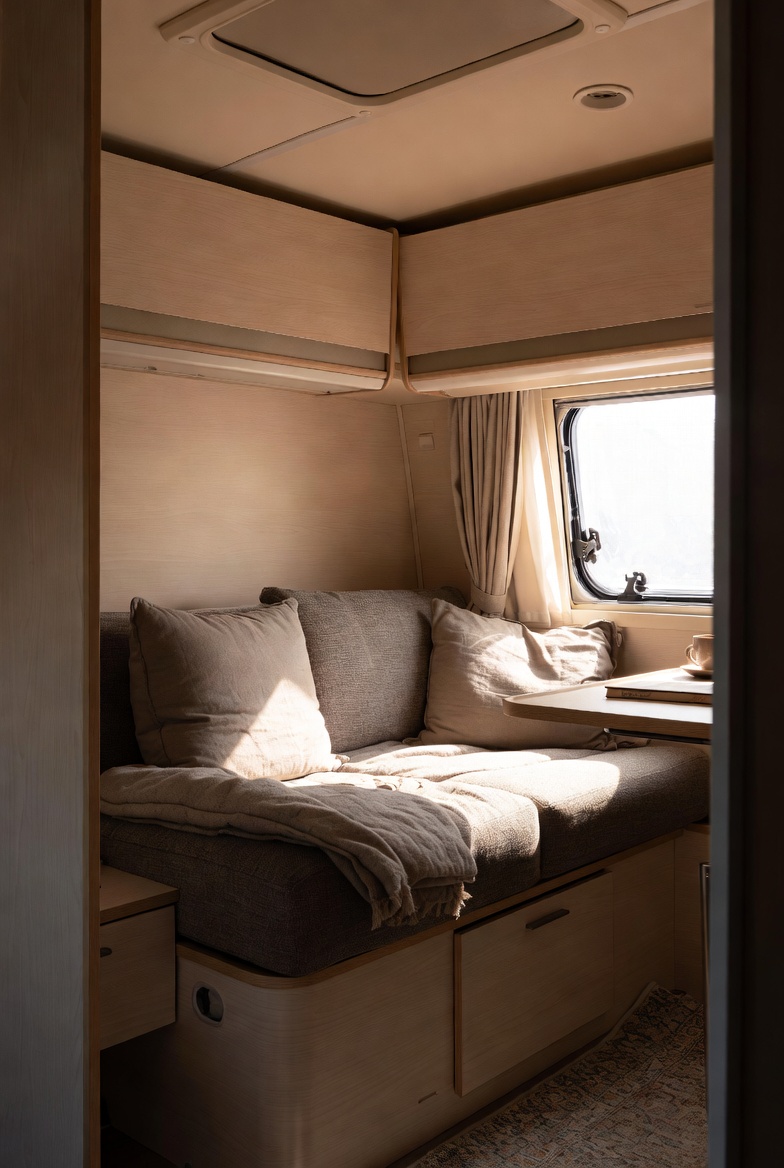
A successful caravan interior begins with understanding how the space will actually be used. Unlike static homes, caravans must accommodate movement, storage, and flexibility. Comfort in this context comes from intentional design rather than excess decoration.
Natural flow is essential. When the interior layout allows easy movement between sleeping, cooking, and seating areas, the caravan immediately feels more relaxed. Open sightlines, cohesive color palettes, and consistent materials help unify the space visually, making it feel larger and calmer.
Equally important is emotional comfort. Familiar textures, personal touches, and warm lighting create a sense of belonging. The most stylish caravan interiors are not overly polished or showroom-like. Instead, they reflect the personality of the people traveling within them.
Creating a Warm and Inviting Color Palette
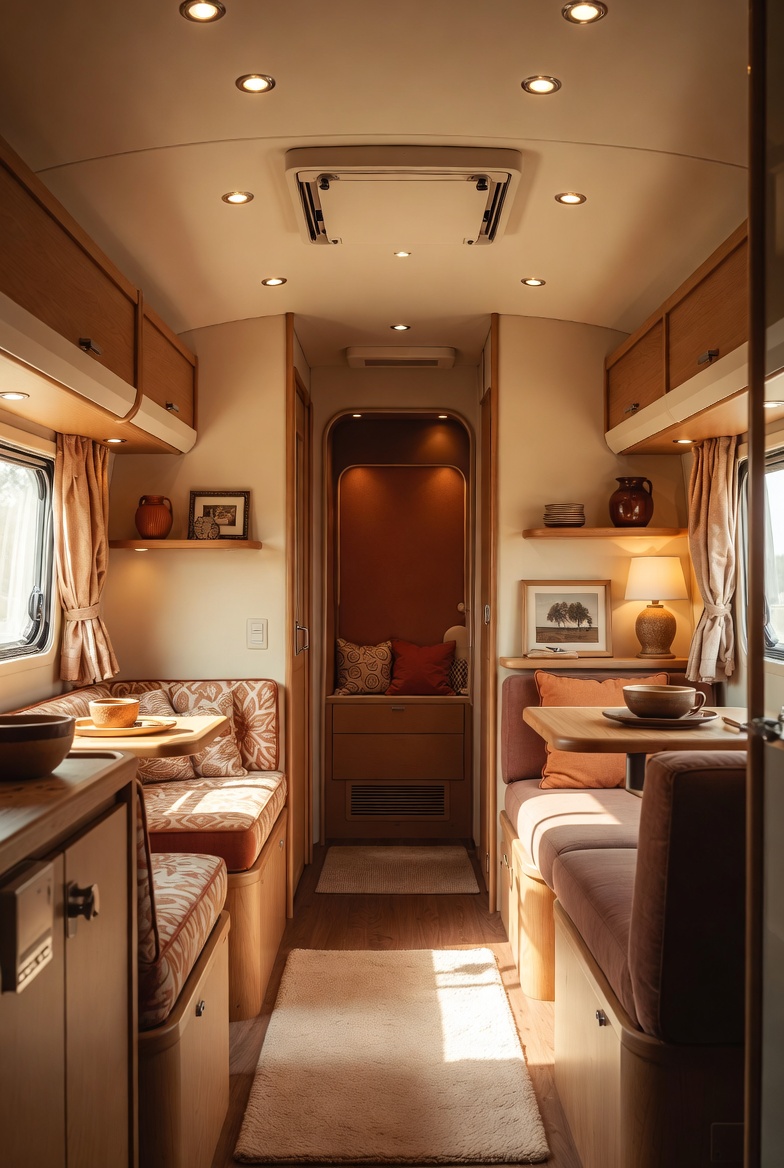
Color plays a powerful role in shaping how a caravan interior feels. Light, neutral tones are often favored because they reflect natural light and make small spaces feel more open. Shades such as soft white, beige, light gray, and warm sand provide a versatile base that works well in compact interiors.
Adding warmth through layered tones is key. Earthy colors like muted terracotta, sage green, and warm taupe introduce depth without overwhelming the space. These hues evoke nature and complement outdoor surroundings, helping the caravan feel connected to the journey outside.
Accent colors should be used thoughtfully. Rather than bold contrasts, subtle variations maintain harmony. Upholstery, cushions, curtains, and small decor items offer opportunities to introduce color without dominating the interior. When colors flow naturally from one area to another, the caravan interior feels cohesive and calm.
Furniture Choices That Balance Style and Function
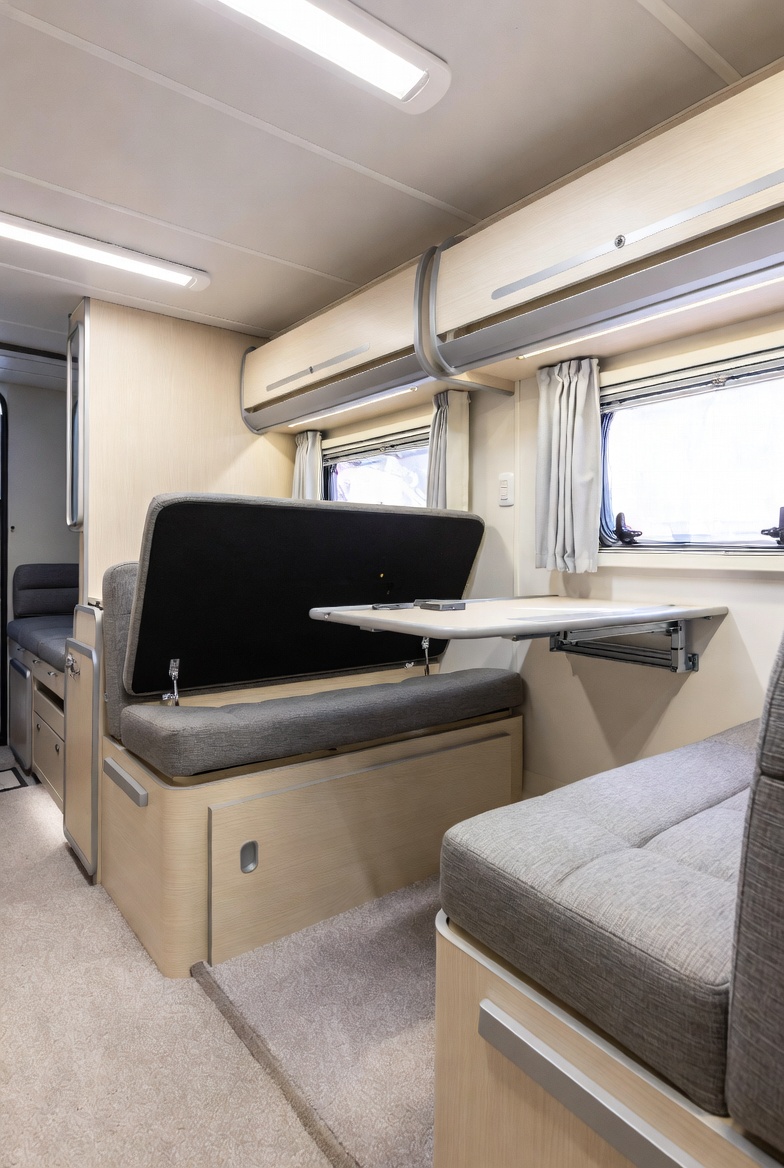
Furniture selection is one of the most critical decisions in caravan interior design. Each piece must justify its presence by serving multiple purposes or maximizing comfort without occupying unnecessary space.
Built-in seating with integrated storage is a common solution that combines function and aesthetics. Benches that double as storage units help reduce visual clutter while keeping essentials easily accessible. Upholstered seating with high-quality fabrics adds comfort and elevates the overall design.
Tables and sleeping areas often need to be adaptable. Convertible furniture allows the caravan to shift seamlessly between daytime and nighttime use. When transitions feel intuitive and effortless, the interior supports daily life rather than complicating it.
Proportions also matter. Furniture that is too bulky can make a caravan feel cramped, while overly minimal pieces may sacrifice comfort. The best caravan interiors strike a balance, choosing designs that feel substantial yet appropriately scaled.
Making Small Spaces Feel Open and Airy
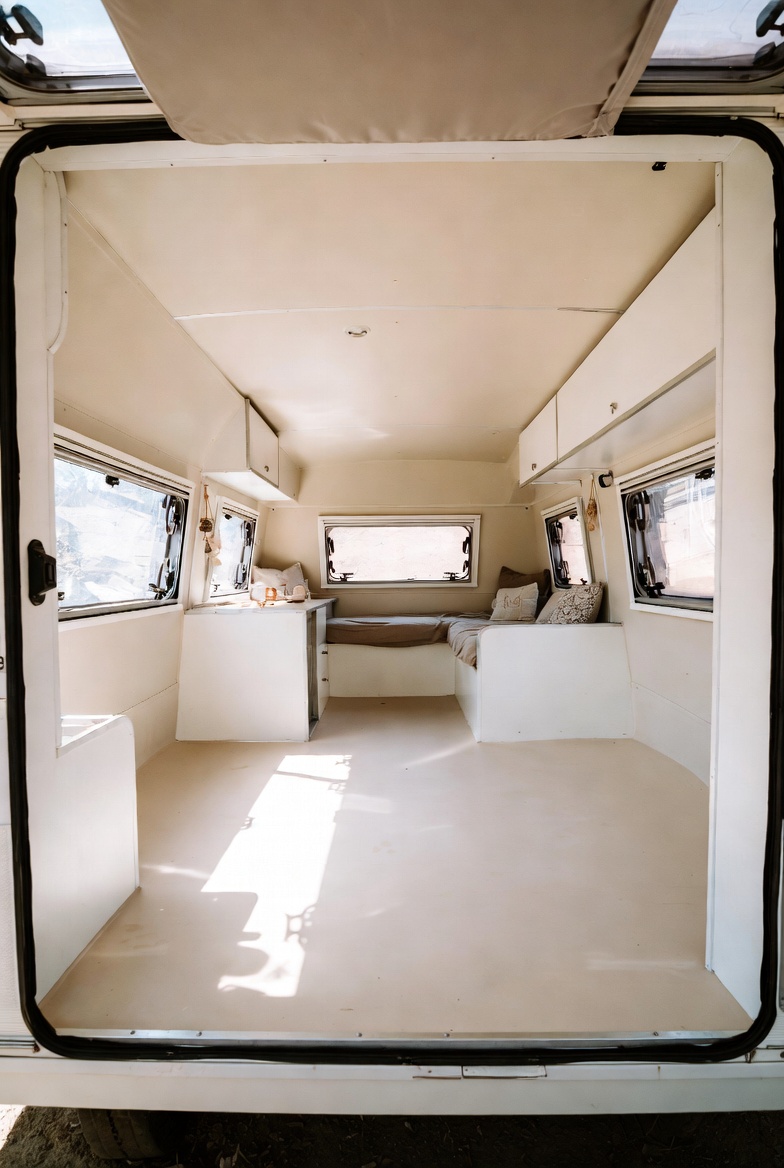
A caravan interior may be limited in size, but thoughtful design can make it feel surprisingly spacious. Visual openness often matters more than actual square footage.
Natural light is a powerful tool. Unobstructed windows, sheer curtains, and reflective surfaces help distribute light evenly throughout the space. When daylight flows freely, the interior feels fresh and inviting.
Consistency in materials also contributes to openness. Using the same flooring or wall finishes across different zones creates visual continuity. This prevents the interior from feeling segmented or crowded.
Vertical space should not be overlooked. Upper cabinets, open shelving, and wall-mounted storage keep the floor area clear, enhancing the sense of openness. When storage solutions blend seamlessly into the design, they support both function and aesthetics.
Storage Solutions That Keep the Interior Calm
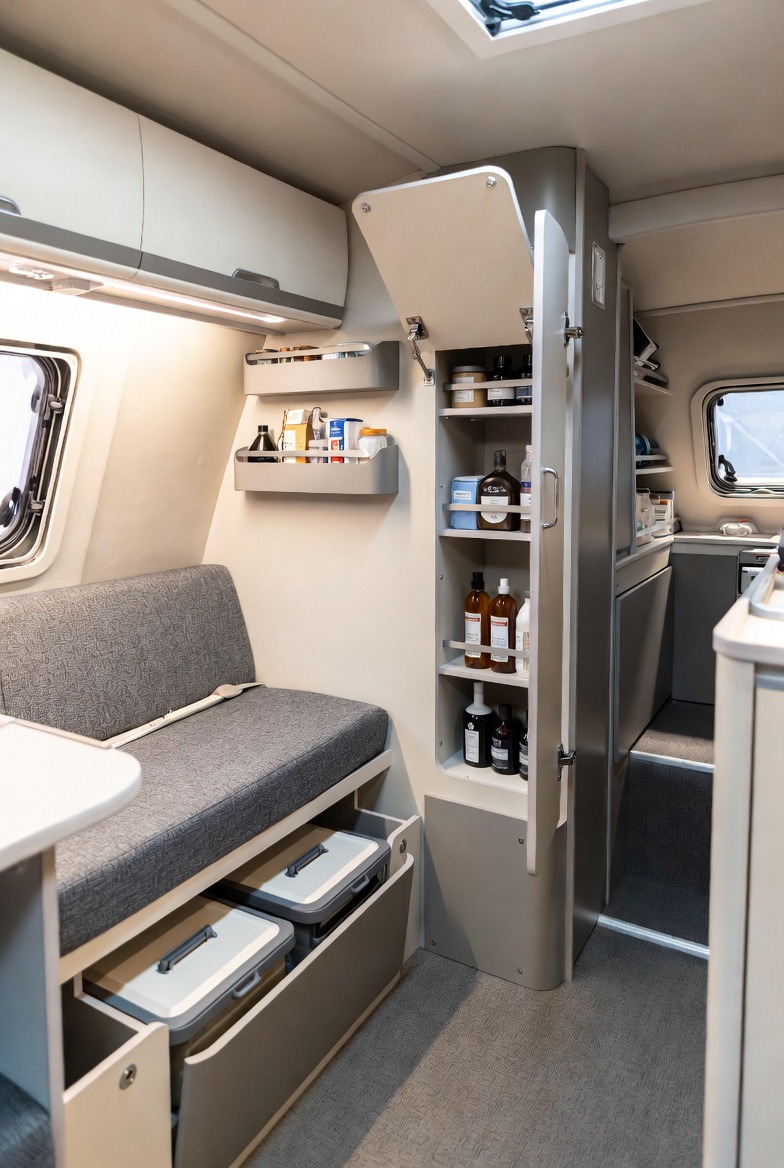
Clutter is one of the quickest ways for a caravan interior to feel stressful. Smart storage design is essential for maintaining order and comfort on the road.
Hidden storage plays a major role. Under-seat compartments, concealed drawers, and integrated cabinets allow items to be stored out of sight while remaining accessible. This helps preserve a clean, uncluttered look.
Open storage has its place as well, particularly for frequently used items or decorative elements. Open shelves with a curated selection of objects can add character without creating visual noise. The key is moderation and intentional placement.
Storage should be organized by daily routines. When items are stored near where they are used, the interior feels intuitive and easy to navigate. This practical flow contributes significantly to the feeling of home.
Textiles and Textures That Add Comfort
Soft furnishings bring warmth and personality to a caravan interior. Textiles introduce texture, absorb sound, and soften hard surfaces, all of which enhance comfort.
Upholstery fabrics should be durable yet inviting. Materials that feel pleasant to the touch while resisting wear are ideal for travel environments. Neutral bases paired with textured throws or cushions add depth without overwhelming the space.
Curtains and rugs play a subtle but important role. Curtains provide privacy and help regulate light, while rugs define zones and add warmth underfoot. Choosing materials that are easy to clean ensures practicality without compromising style.
Layering textures is an effective way to make a caravan interior feel lived-in. When different materials work together harmoniously, the space feels balanced and welcoming.
Lighting That Enhances Mood and Function
Lighting design can dramatically influence how a caravan interior feels throughout the day. Relying on a single overhead light often results in a flat and uninspiring atmosphere.
Layered lighting creates flexibility. Ambient lighting establishes overall brightness, while task lighting supports activities such as cooking or reading. Accent lighting adds warmth and highlights architectural details or decor.
Warm light tones tend to feel more homely than cool white light. Soft illumination in the evenings encourages relaxation and creates a cozy environment after a day of travel.
Lighting placement should feel intentional. Well-positioned lights enhance functionality while contributing to the overall design narrative of the interior.
Personal Touches That Make It Feel Like Home
A caravan interior truly becomes a home when it reflects the people who use it. Personal details add character and emotional warmth that cannot be replicated through design alone.
Meaningful objects, such as books, artwork, or handcrafted items, help tell a story. These elements should be chosen carefully to avoid overcrowding, but even a few personal items can make a significant difference.
Scent and sound also contribute to comfort. Familiar fragrances or soft background music can instantly make a space feel more personal and calming.
The most inviting caravan interiors feel authentic rather than styled for appearance alone. When the space reflects real preferences and habits, it naturally feels more comfortable and lived-in.
Adapting the Caravan Interior to Different Seasons
Seasonal adaptability enhances long-term comfort. A caravan interior that works well in both warm and cooler conditions feels more versatile and enjoyable.
Lightweight textiles and breathable fabrics support comfort during warmer months, while thicker materials and layered textiles add warmth when temperatures drop. Removable elements allow the interior to adapt without permanent changes.
Ventilation and insulation also play a role. Proper airflow keeps the interior fresh, while thoughtful insulation supports temperature regulation and overall comfort.
Designing with seasonal flexibility in mind ensures the caravan remains welcoming throughout the year.
Maintaining Style While Prioritizing Practicality
Style and practicality are not opposing forces in caravan interior design. The most successful interiors integrate both seamlessly.
Durable materials, easy-to-clean surfaces, and secure fixtures are essential for travel. When these elements are chosen with aesthetics in mind, they enhance rather than detract from the design.
Maintenance should feel manageable. A caravan interior that is easy to care for allows travelers to focus on enjoying their journey rather than managing constant upkeep.
When practicality supports comfort and beauty, the interior feels effortless and refined.
Frequently Asked Questions About Caravan Interior Design
How can I make my caravan interior feel more like a home?
Focus on comfort, consistency, and personalization. Warm colors, soft textiles, layered lighting, and meaningful personal items help create a familiar and welcoming atmosphere.
What colors work best in a caravan interior?
Light neutrals work well as a base because they enhance natural light and create a sense of space. Warm accent tones add depth and prevent the interior from feeling sterile.
How do I maximize storage without cluttering the space?
Use hidden storage wherever possible and keep open storage minimal and intentional. Organizing items by daily use helps maintain order and visual calm.
Is it possible to have a stylish caravan interior on a budget?
Yes. Thoughtful color choices, simple textiles, and careful furniture selection can significantly improve the interior without major expense. Style often comes from cohesion rather than cost.
What lighting is best for a caravan interior?
Layered lighting with warm tones works best. Combining ambient, task, and accent lighting creates flexibility and enhances comfort throughout the day.
Conclusion
A stylish caravan interior that feels like home is the result of thoughtful design, not excess decoration. By focusing on comfort, flow, and personal expression, even the smallest caravan can become a space that feels warm, functional, and deeply inviting. From cohesive color palettes and smart furniture choices to layered lighting and meaningful details, every element plays a role in shaping how the interior is experienced.
When design decisions are guided by real-life use and personal comfort, the caravan transforms from a temporary shelter into a true home on wheels. With intention and care, your caravan interior can support not just travel, but a lifestyle defined by freedom, comfort, and a sense of belonging wherever the road leads.