Last Updated on February 19, 2026 by John Tim
Camping offers a refreshing escape into nature, but it often comes with small frustrations that can disrupt the peace. Whether you’re dealing with a soggy tent floor, cold mornings, or disorganized gear, the right clever solutions transform these challenges into minor inconveniences. This collection of over 60 brilliant camping hacks draws from years of trial and error in various outdoor settings, from car camping in established sites to more rugged backcountry trips. These practical ideas focus on organization, comfort, food preparation, safety, and efficiency, helping both newcomers and seasoned campers enjoy their time outdoors more fully. Implementing even a handful of these tips can elevate your next adventure, making it smoother, safer, and far more enjoyable.
Organization and Packing Hacks
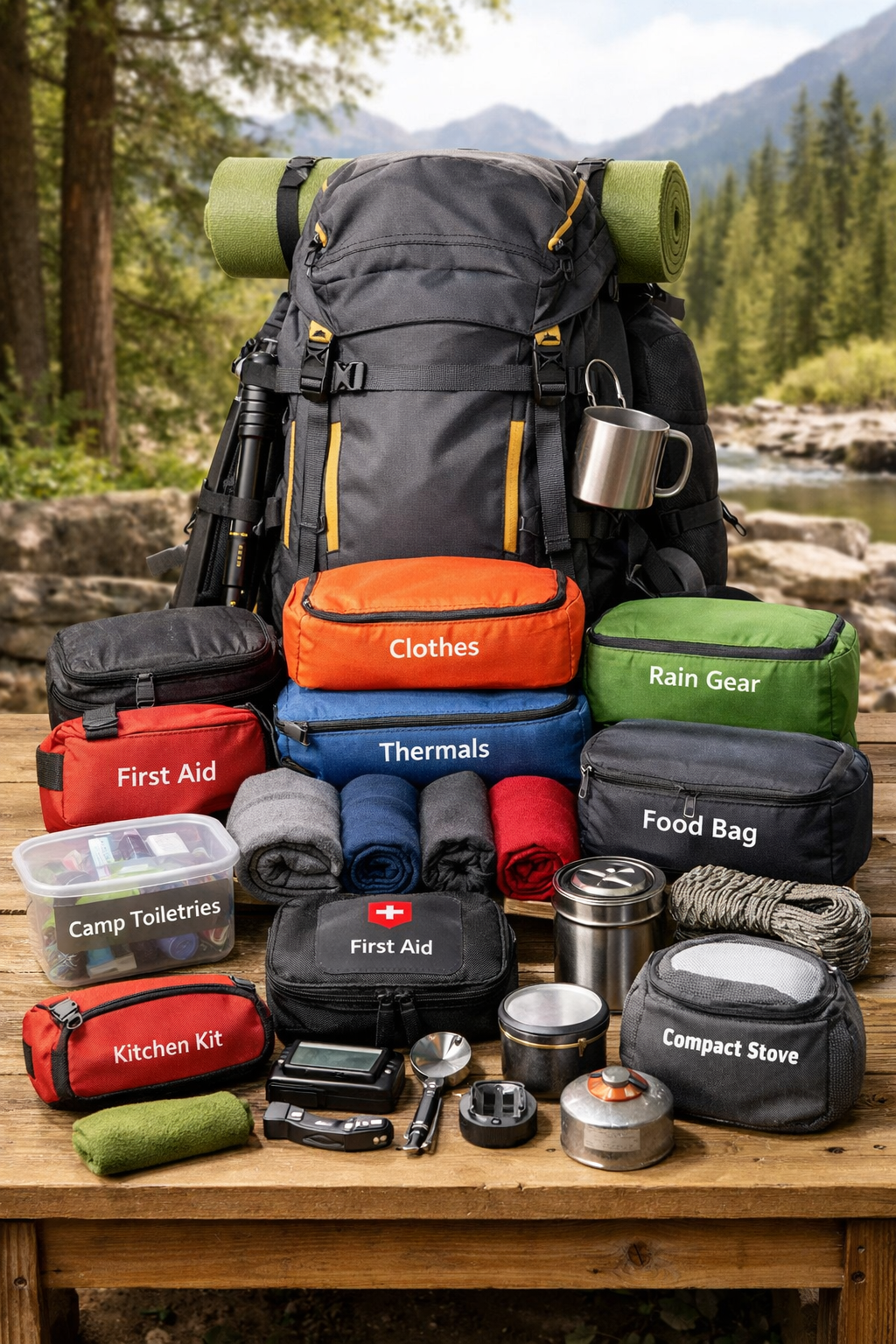
Staying organized starts before you even leave home. Pre-sort your gear into clear, labeled bins for different categories such as kitchen essentials, clothing, and first aid. This system allows quick access at the campsite without rummaging through everything. Use zip-top bags or vacuum-sealed pouches for clothes to compress them and keep them dry—especially useful for multi-day trips where space matters.
Another effective approach involves creating a detailed checklist tailored to your group’s needs and the trip length. Review it twice: once while packing and again before loading the vehicle. Forgetting small items like extra batteries or a multi-tool becomes far less likely this way. Hang a shoe organizer over a tree branch or inside your tent to store small items like flashlights, toiletries, and snacks, keeping them off the ground and easy to find.
Pack a dedicated “arrival bin” with immediate-use items: headlamps, bug spray, sunscreen, and water bottles. Having these accessible right away prevents chaos during setup. For clothing, roll items instead of folding to save space and reduce wrinkles—perfect for fitting more into limited bags.
Tent and Shelter Hacks
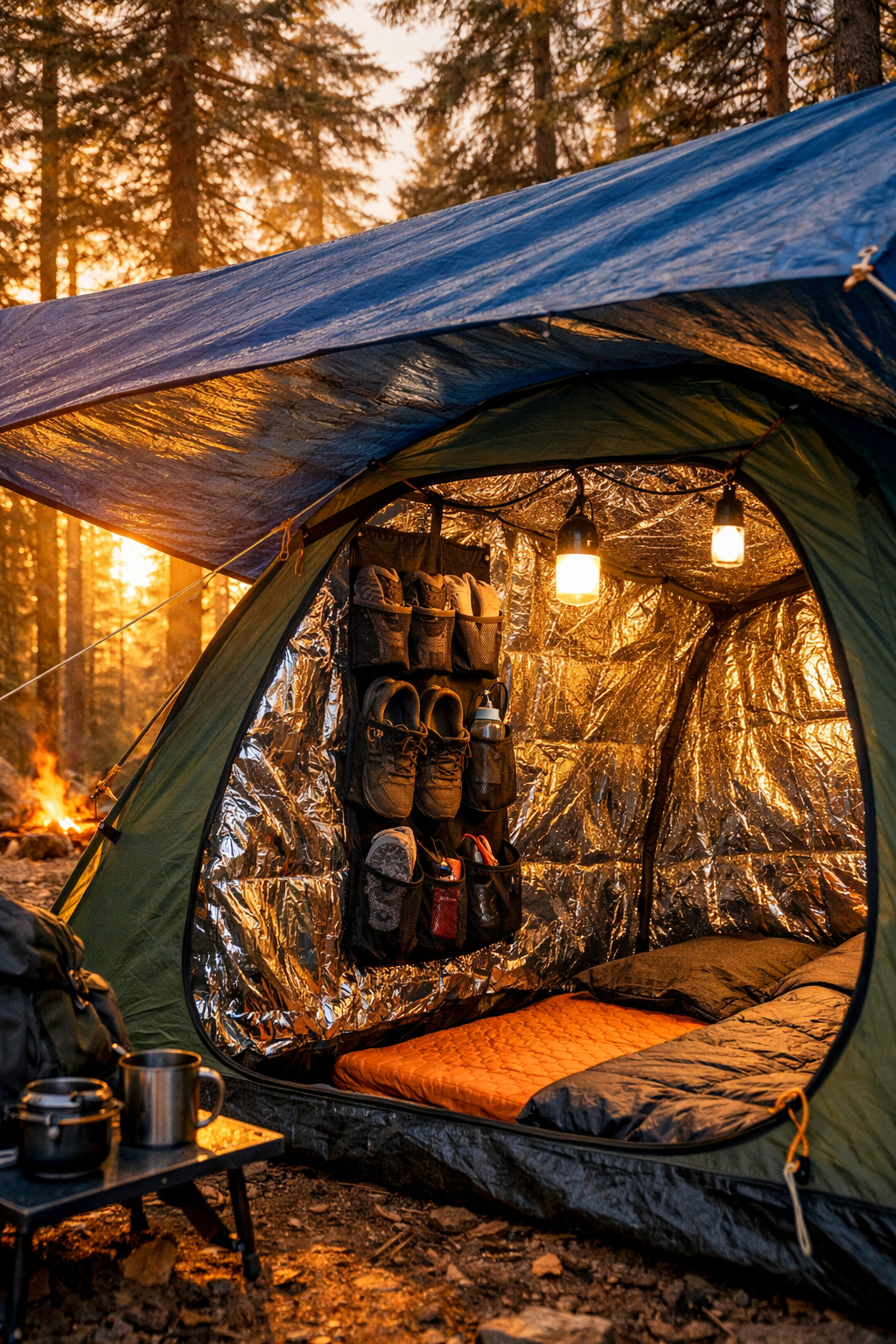
A comfortable shelter sets the tone for the entire trip. Always place a tarp or dedicated footprint under your tent, but keep it slightly smaller than the tent floor to prevent rainwater pooling underneath. This simple adjustment protects against punctures and moisture while extending your tent’s life.
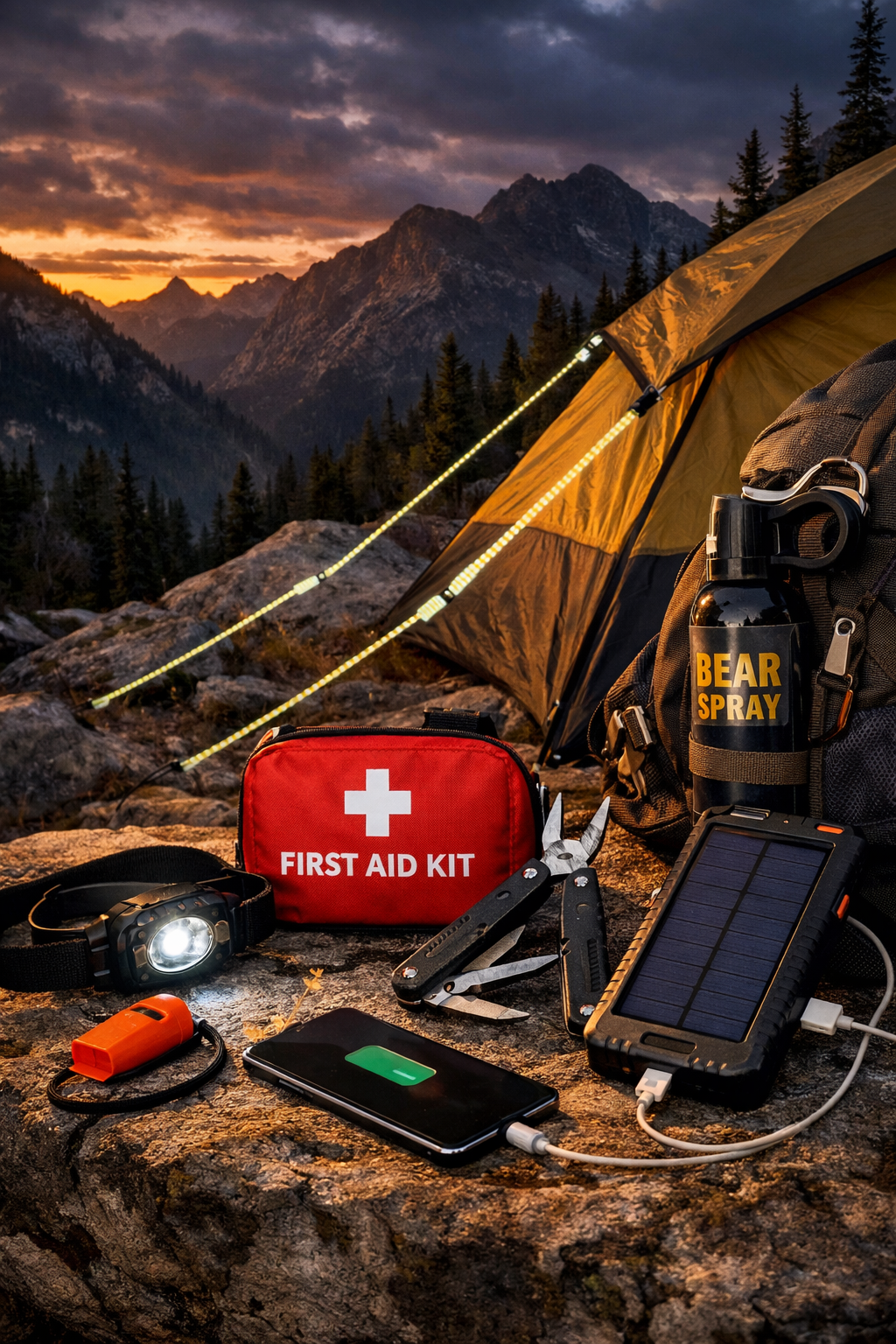
String solar-powered garden lights around your tent perimeter or entrance for subtle illumination that guides you back after dark without harsh beams disturbing others. For extra privacy or wind protection, drape a lightweight tarp overhead using ratchet straps for secure tension—far more reliable than basic ropes in gusty conditions.
To keep the tent floor cleaner, position a small doormat or old towel just inside the door as a wipe-off zone for shoes. In rainy weather, keep the rainfly vestibule organized by designating zones for wet gear, dry shoes, and entry. If condensation builds up inside, crack a vent or door slightly for better airflow while maintaining coverage.
Camp Kitchen and Food Preparation Hacks
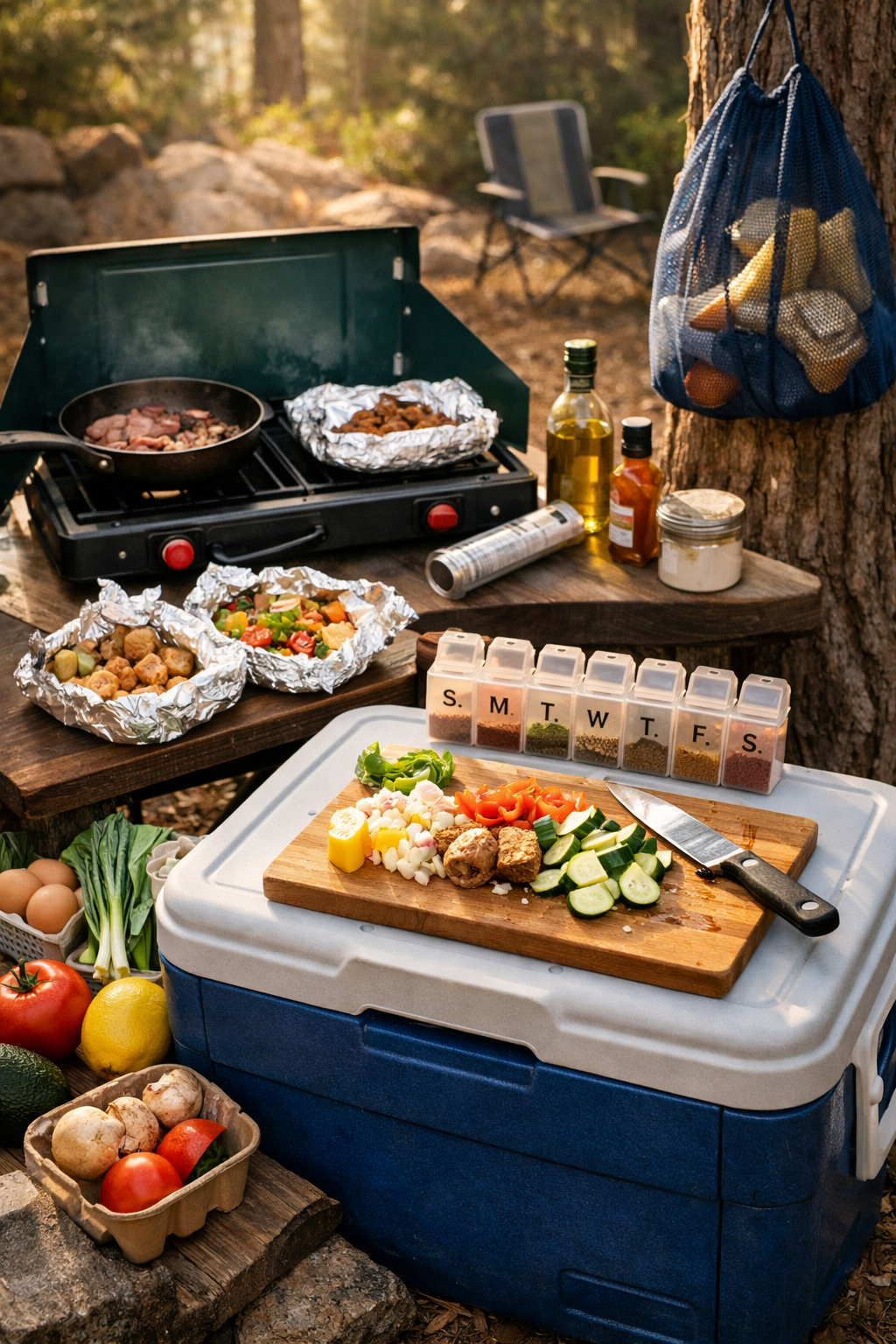
Food can make or break a camping experience, so smart preparation goes a long way. Pre-chop vegetables, marinate meats, and portion meals at home before freezing them—these stay cold longer in the cooler and reduce on-site mess. Pack meals in order of use in the cooler, placing items needed last at the bottom and soon-to-be-used foods on top.
Use clear plastic bins for dry goods and another for cooking utensils to maintain visibility and quick grabs. For no-cook options, assemble breakfast burritos or sandwiches in advance and wrap them tightly. To keep ice lasting longer, pre-freeze water bottles—they double as cold drinks as they thaw.
Create a portable camp sink by cutting the top from an empty large water jug, hinging the lid to act as a cover, and filling it for handwashing or dish rinsing. Hang a mesh laundry bag or old produce net from a tree to dry washed dishes and utensils in the sun, promoting quick air-drying and reducing bacterial growth.
For fire starters, store dryer lint in empty toilet paper rolls—these ignite easily and burn steadily. When cooking over coals, bury potatoes in foil ahead of time for easy reheating later. Keep a separate small cooler just for beverages and ice to avoid opening the main food cooler frequently, preserving its chill.
Comfort and Sleep Hacks
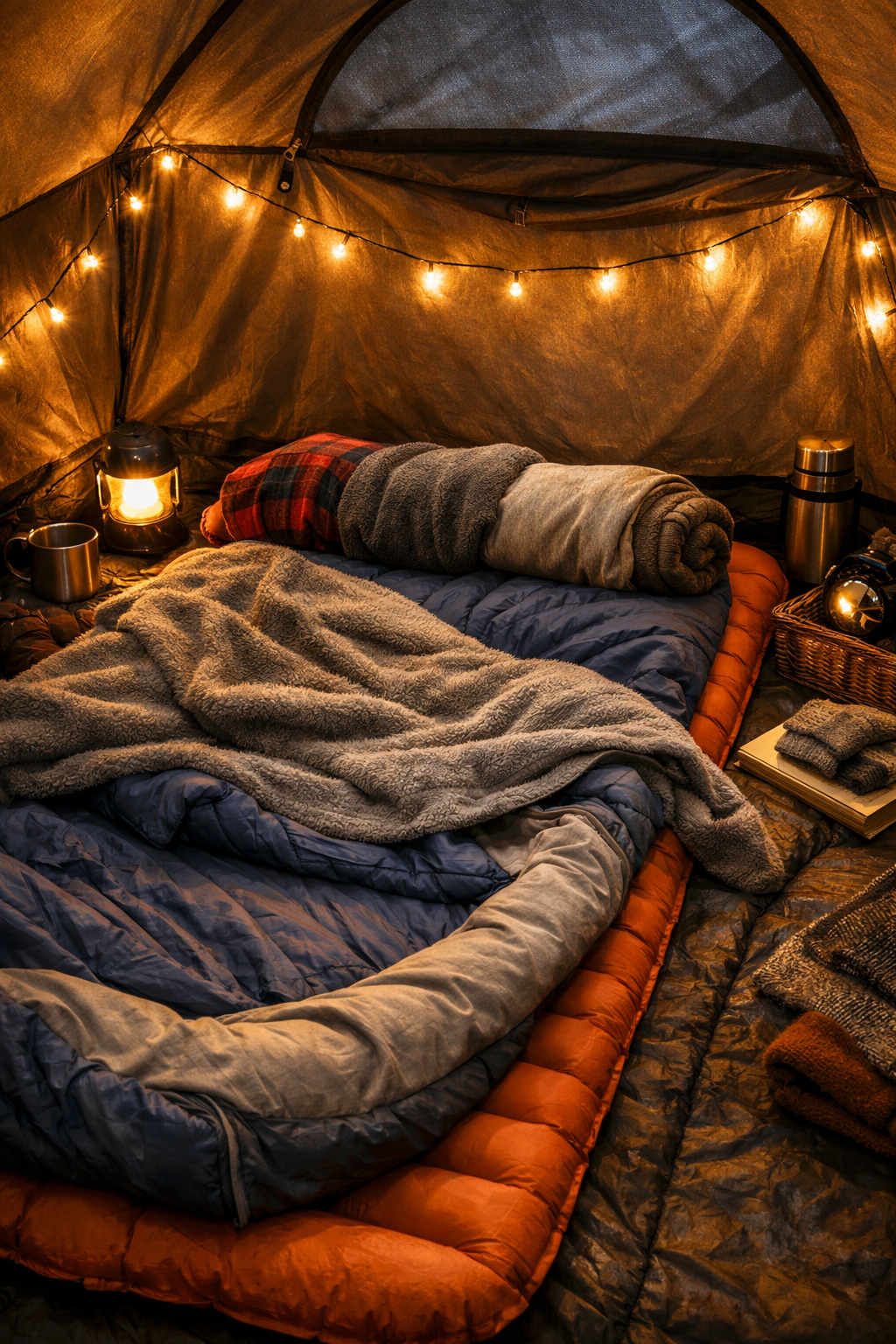
Comfort turns a good trip into a great one. Layer your sleeping setup with a foam pad for insulation and an inflatable mattress on top for cushioning. Stretch your sleeping bag’s warmth by wearing clean, dry layers inside and using a liner for added insulation on colder nights.
Position your tent door away from prevailing winds and morning sun if you prefer later wake-ups. For pillow alternatives, stuff clean clothes into a stuff sack or use a rolled towel. Hang a small LED light inside the tent for reading or nighttime navigation without blinding yourself.
To deter bugs, apply petroleum jelly around tent zippers—it creates a barrier while keeping them smooth. For warmer feet, place hand warmers inside socks before bed. If the ground feels too hard, add interlocking foam tiles under sleeping areas for extra padding.
Fire and Lighting Hacks
Building and maintaining a fire becomes effortless with preparation. Start with a solid base of tinder, then build a teepee structure around it, leaving an opening toward the wind for natural airflow. Keep a dedicated fire-starting kit in a waterproof container: matches, lighter, and fire starters.
For ambient lighting, place a headlamp facing into a clear water jug to diffuse light like a lantern. String battery-free solar lights along paths or around the site for safe nighttime movement. Always maintain a safe perimeter around the fire ring, clearing flammable materials and keeping water or sand nearby for emergencies.
Safety and Miscellaneous Hacks
Safety remains paramount in the outdoors. Check for overhead hazards like dead branches before pitching your tent. Carry a basic repair kit with duct tape, needle and thread, and patch materials for quick fixes on tents, sleeping pads, or gear.
Store toiletries in separate zip bags to contain leaks and make them easy to locate. For wildlife safety, keep all scented items—food, toothpaste, deodorant—in bear-proof containers or hung properly away from camp. Use biodegradable soap for washing and dispose of wastewater far from water sources.
A multi-tool proves invaluable for countless tasks, from opening cans to tightening stakes. Pack baby wipes or flushable options for quick clean-ups when showers aren’t available. Always tell someone your itinerary and expected return time, even for short trips.
Frequently Asked Questions About Camping Hacks
What are some easy camping hacks for beginners?
Beginners benefit from prepping meals at home, using clear bins for organization, and practicing tent setup beforehand. Simple additions like a doormat at the tent door and solar lights for navigation make a big difference in comfort and ease.
How can I keep my cooler cold longer while camping?
Pre-freeze water bottles or gel packs, pack foods in reverse order of use, and minimize openings. A separate cooler for drinks helps preserve the main one’s temperature.
What are good hacks for camping in the rain?
Use a properly sized footprint under the tent, stake out vestibules for extra space, and keep wet gear in designated areas. A tarp overhead provides additional protection and a dry hangout spot.
How do I organize my camp kitchen effectively?
Separate items into bins for cooking tools and dry foods, prep ingredients ahead, and use mesh bags for drying dishes. Pack in order of meal sequence to streamline access.
Are there hacks to make sleeping more comfortable in a tent?
Layer pads for insulation and cushion, wear dry layers inside your bag, and orient the tent to avoid wind or early sun. Hand warmers in socks and a stuffed clothing pillow add extra coziness.
What safety camping hacks should everyone know?
Always check for hazards like widowmakers, store food properly to avoid wildlife issues, carry a repair kit, and share your plans with someone. Keep fire safety tools handy and practice Leave No Trace principles.
Embracing Smarter Camping with These Hacks
These over 60 brilliant camping hacks highlight how small, thoughtful adjustments create smoother, more enjoyable outdoor experiences. From organized packing and efficient food prep to enhanced comfort, reliable lighting, and essential safety measures, each idea addresses common challenges with practical solutions. Whether you’re a beginner seeking confidence or an experienced camper refining routines, incorporating these tips reduces stress and amplifies the joys of nature. The beauty of camping lies in its simplicity—pair that with clever strategies, and every trip becomes more rewarding. Step into your next adventure equipped with these insights, ready to savor the moments rather than wrestle with the details, and let the great outdoors feel truly welcoming.