Last Updated on January 4, 2026 by John Tim
Traveling on the open road with the freedom to explore new places at your own pace is a dream for many adventurers. Whether you’re a weekend warrior escaping the city or a full-time nomad chasing sunsets, the heart of any great journey lies in the comfort and functionality of your camper interior. This guide dives deep into everything you need to know about creating, optimizing, and enjoying a camper interior that feels like a home away from home. From the basics of layout planning to clever design hacks, we’ll cover it all in a way that’s easy to follow and inspiring for your next project.
Imagine pulling up to a scenic overlook, stepping inside your camper, and feeling instantly at ease. That’s the magic of a well-thought-out camper interior. It’s not just about aesthetics; it’s about blending practicality with personal style to make every trip memorable. In the following sections, we’ll explore how to transform a simple vehicle into a cozy sanctuary that suits your lifestyle.
Understanding the Basics of Camper Interior
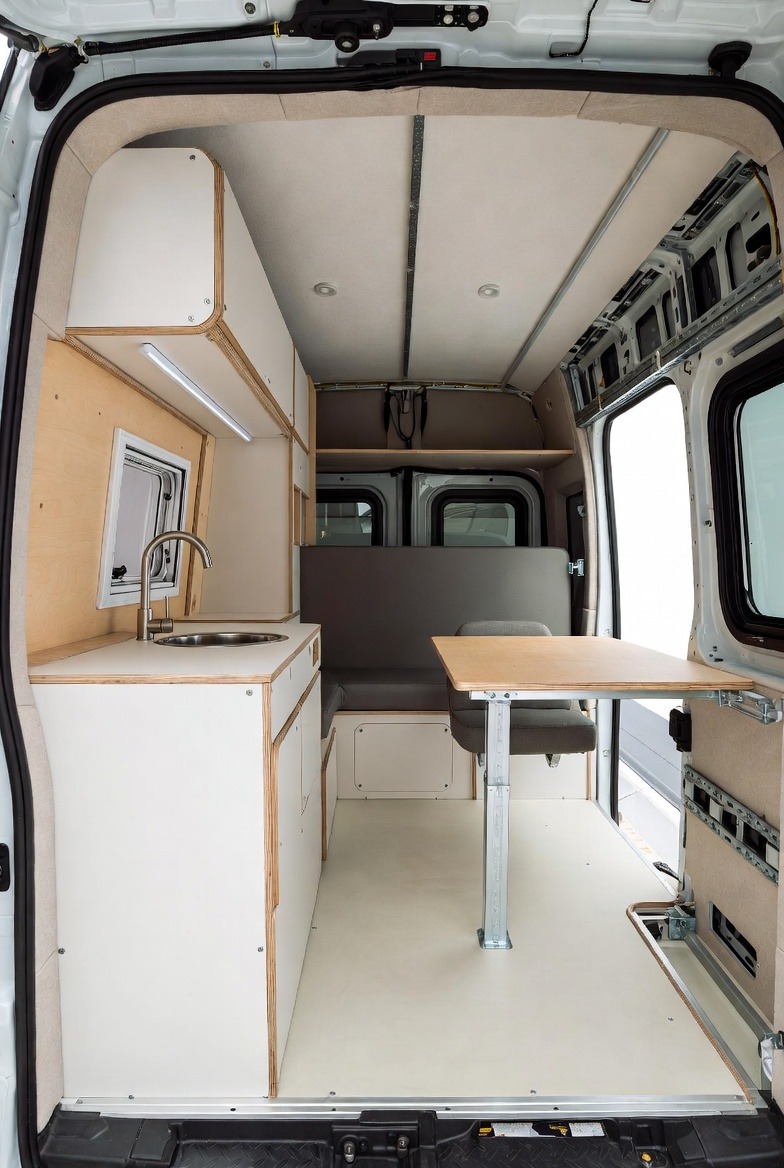
Before you start ripping out old fixtures or sketching new designs, it’s essential to grasp what makes up a solid camper interior. At its core, a camper interior is the internal space of a recreational vehicle, van, or trailer that’s been customized for living on the go. This space needs to balance sleeping, cooking, storage, and relaxation while being compact and efficient.
Think of your camper interior as a tiny house on wheels. Every square inch counts, so the foundation starts with assessing the vehicle’s size and shape. For instance, a standard van might offer a narrow but elongated area, perfect for linear layouts where the bed is at the back and the kitchen runs along one side. Larger RVs, on the other hand, provide more room for expansive setups, like separate dining areas or even small offices.
One key aspect is the materials used in the camper interior. Durable, lightweight options like plywood for cabinetry or vinyl flooring help keep things sturdy without adding unnecessary weight, which can affect fuel efficiency. Insulation is another fundamental element, ensuring the space stays warm in winter and cool in summer. Proper ventilation through windows or roof vents prevents moisture buildup, keeping the environment fresh and mold-free.
As you delve into your camper interior project, remember that functionality should always come first. A beautiful design is great, but if it doesn’t support your daily needs—like easy access to essentials during a rainstorm— it won’t hold up on the road.
Planning Your Camper Interior Layout
The planning phase is where the excitement really begins for any camper interior overhaul. Start by envisioning how you’ll use the space. Are you traveling solo, with a partner, or a family? This will influence everything from bed size to seating arrangements.
Begin with a rough sketch of the floor plan. Measure the interior dimensions carefully, noting obstacles like wheel wells or doors. A popular approach is the modular design, where elements like benches or tables can convert into beds or storage. This flexibility maximizes the camper interior without permanent commitments.
Budgeting plays a crucial role here. Factor in costs for essentials like plumbing for a sink or electrical wiring for lights. If you’re DIY-ing, tools and materials can add up, but the satisfaction of a personalized camper interior is priceless. Consider energy sources too—solar panels on the roof can power appliances, making off-grid adventures possible.
Safety shouldn’t be overlooked in planning. Secure all furniture to prevent shifting during drives, and install smoke detectors and carbon monoxide alarms. Once your plan is solid, the transition to building feels seamless, turning ideas into a tangible camper interior that’s ready for the road.
Essential Elements of a Functional Camper Interior
No camper interior is complete without key components that make life on the move comfortable. Let’s break down the must-haves, starting with the sleeping area.
Creating a Cozy Sleeping Space
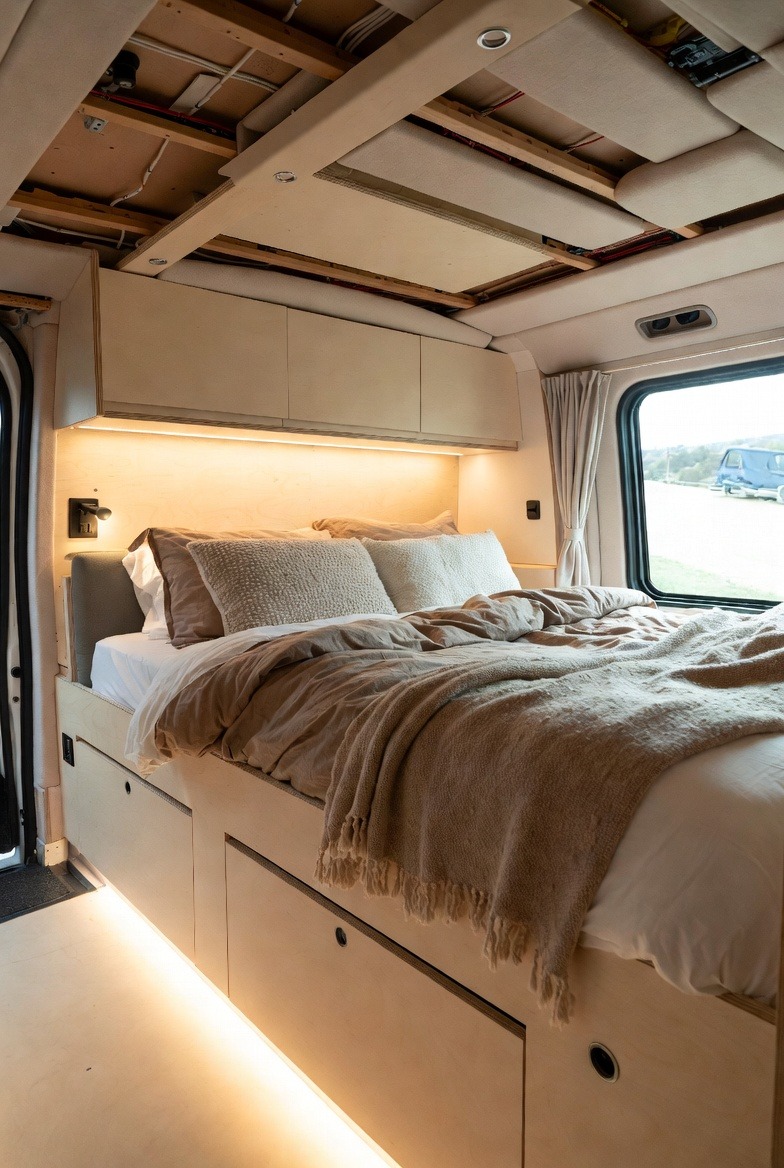
The bed is often the centerpiece of a camper interior, as rest is vital after a day of hiking or driving. Opt for a platform bed that lifts to reveal storage underneath, saving precious space. Mattresses should be foam-based for comfort and easy folding if needed.
Positioning matters too—placing the bed at the rear allows for stargazing through back doors, adding a romantic touch to your camper interior. Add soft linens and pillows to make it inviting, turning a simple sleep spot into a haven.
Setting Up an Efficient Kitchen
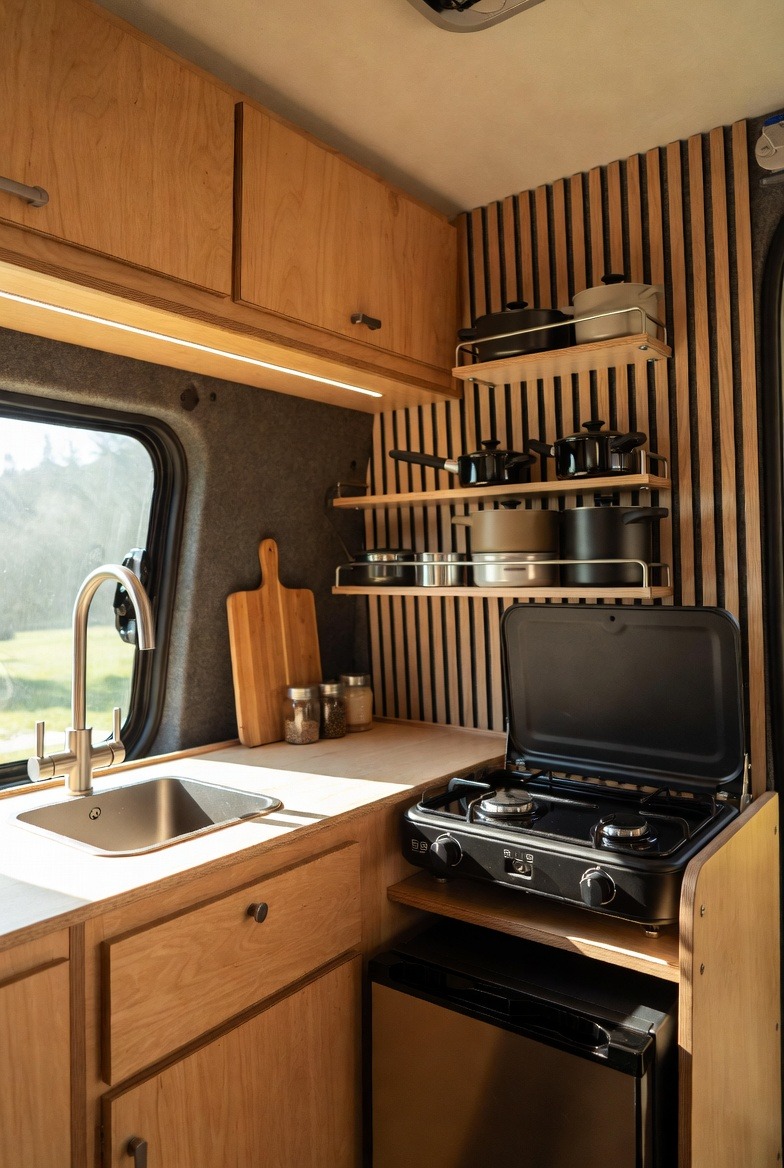
A well-equipped kitchen turns your camper interior into a self-sufficient unit. Compact appliances like a two-burner stove, a small fridge, and a sink with running water are game-changers. Use fold-down counters to expand workspace when cooking and tuck them away afterward.
Storage for utensils and food should be organized with drawers and hooks, keeping everything within reach. This setup not only makes meal prep enjoyable but also enhances the overall flow of the camper interior.
Incorporating Bathroom Facilities
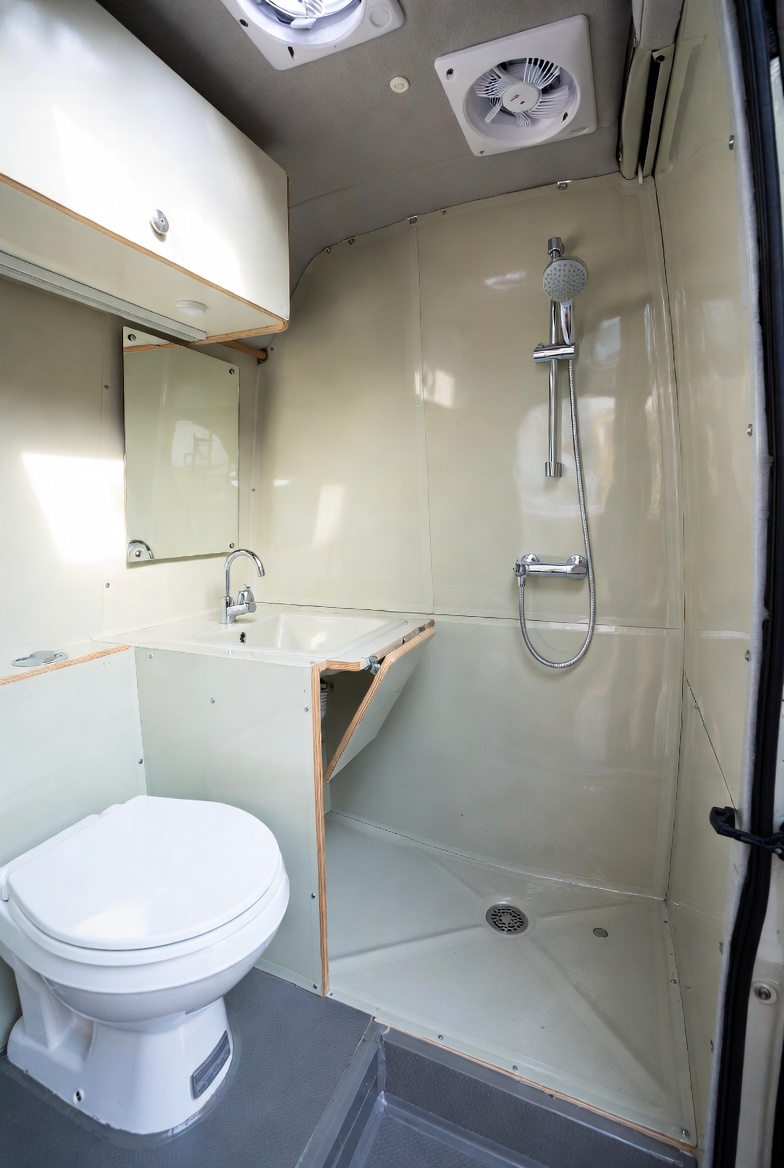
For longer trips, a bathroom in the camper interior is a luxury worth considering. A portable toilet or composting unit paired with a simple shower setup—perhaps using a curtained-off corner—keeps things hygienic.
Water tanks for fresh and gray water need careful placement to avoid leaks. Ventilation is key here to manage humidity, ensuring the camper interior remains dry and odor-free.
Smart Storage Solutions
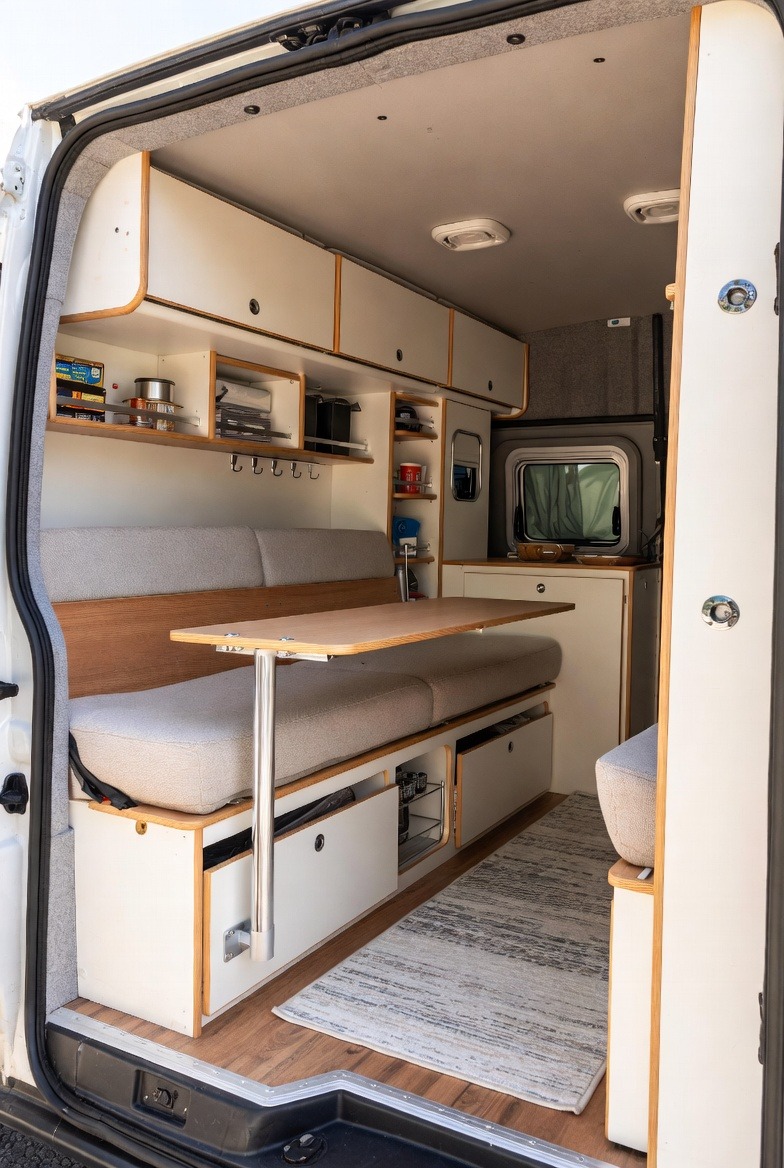
Clutter can ruin even the best camper interior, so innovative storage is essential. Built-in cabinets, under-seat compartments, and overhead shelves utilize vertical space effectively.
Magnetic strips for knives or hanging organizers for clothes keep items secure during travel. This thoughtful approach maintains order, making your camper interior feel spacious despite its size.
Lighting and Electrical Systems
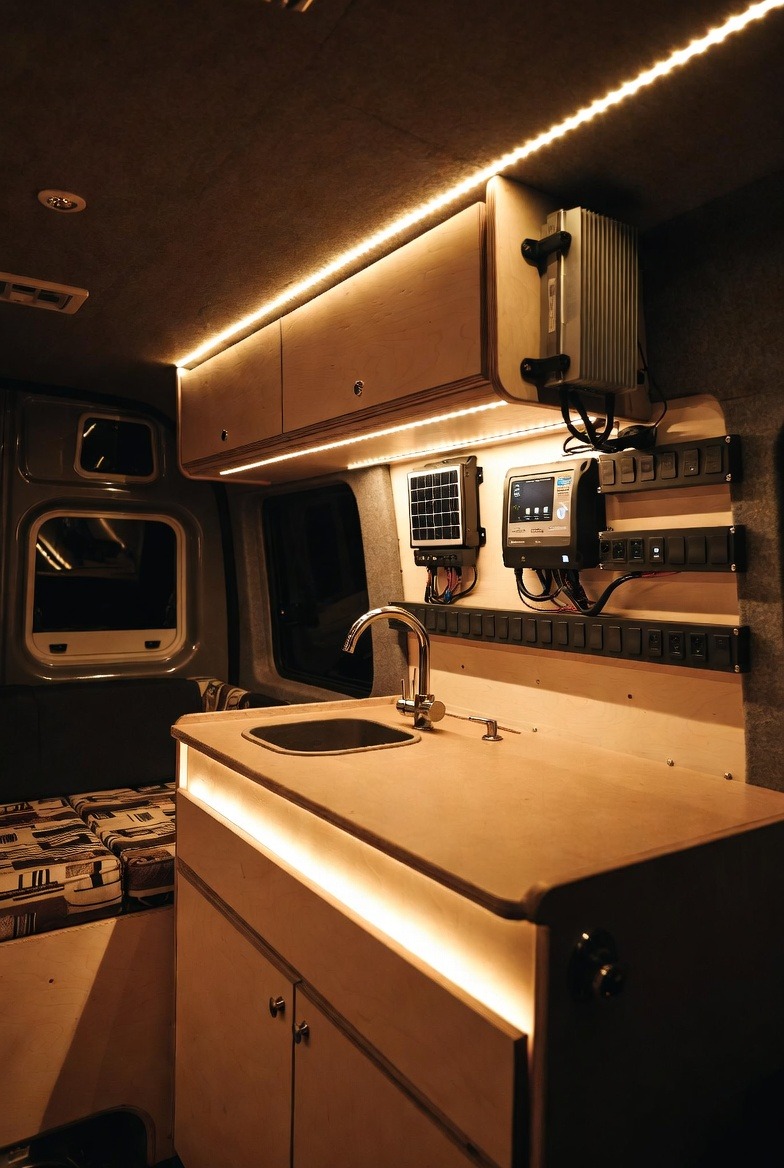
Good lighting transforms a camper interior from dim to delightful. LED strips under cabinets provide ambient glow, while reading lamps by the bed offer focused light.
An electrical system with batteries, inverters, and outlets powers devices. Integrating USB ports everywhere ensures gadgets stay charged, supporting modern needs in your camper interior.
Design Tips to Elevate Your Camper Interior
Once the basics are in place, it’s time to infuse personality into your camper interior. Color schemes can make a big difference—light hues like whites and pastels open up the space, while earthy tones create a cozy vibe.
Incorporate multifunctional furniture, such as a table that doubles as a desk. Textiles like curtains or rugs add warmth and can be swapped for seasonal changes.
Sustainability is a growing trend in camper interior design. Use eco-friendly materials like bamboo for counters or recycled fabrics for upholstery. Personal touches, like artwork or plants, make it uniquely yours.
Lighting design goes beyond function; string lights or dimmable options set moods for evenings. Mirrors can illusion more space, a clever trick for smaller camper interiors.
Maintenance and Upgrades for Longevity
Keeping your camper interior in top shape requires regular care. Clean surfaces often to prevent grime buildup, and check seals around windows for leaks.
Upgrades might include better insulation for extreme weather or smart tech like app-controlled thermostats. These enhancements extend the life of your camper interior and improve comfort.
Seasonal maintenance, like winterizing pipes, prevents damage. With proper upkeep, your camper interior will serve you for countless adventures.
FAQs About Camper Interior
What is the best way to start designing a camper interior?
Begin by assessing your needs and sketching a layout. Consider your travel style and budget to prioritize features.
How can I make my camper interior more space-efficient?
Use multifunctional furniture and vertical storage. Modular designs allow flexibility without sacrificing comfort.
Is it expensive to customize a camper interior?
Costs vary, but DIY options can keep it affordable. Focus on essentials first and add luxuries later.
What materials are ideal for a durable camper interior?
Lightweight woods, vinyl, and metals work well. Choose moisture-resistant options for longevity.
Can I add solar power to my camper interior?
Yes, solar panels are a great addition for off-grid power, charging batteries for lights and appliances.
How do I ensure safety in my camper interior?
Install alarms, secure items, and maintain ventilation. Regular inspections catch issues early.
Conclusion
In wrapping up this complete guide to camper interior, it’s clear that crafting the perfect space on wheels is about more than just fittings and fixtures—it’s about creating a personal retreat that enhances your adventures. From planning layouts to incorporating smart designs and maintaining everything for the long haul, a thoughtful camper interior turns ordinary trips into extraordinary experiences. Whether you’re revamping an old van or starting fresh with a trailer, remember that the best setups reflect your unique needs and style. Embrace the process, hit the road with confidence, and let your camper interior be the backdrop for stories you’ll cherish forever. Safe travels!